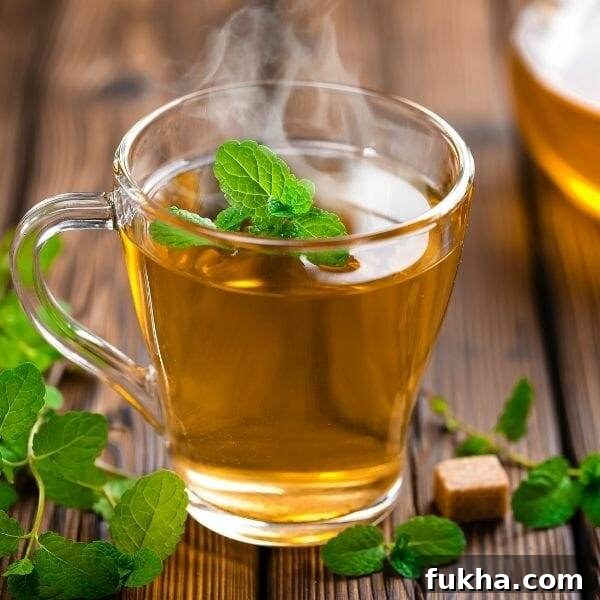
I love growing and using garden herbs to make tea. In this article I explain how to brew herbal tea from fresh or dried herbs, covering water temperature, herb quantities, steeping times and practical tips for the best flavours. Whether you have a few pots on a patio or a planted herb bed, you can make satisfying, aromatic cups of herbal tea from what you grow.
This guide covers practical brewing advice for common garden herbs such as mint, lemon balm, lemon verbena, lemongrass, thyme, sage and chamomile. If you want to explore herb properties and blending ideas in greater depth, look for dedicated herb-cooking resources and books on herbal cookery and tea blends.
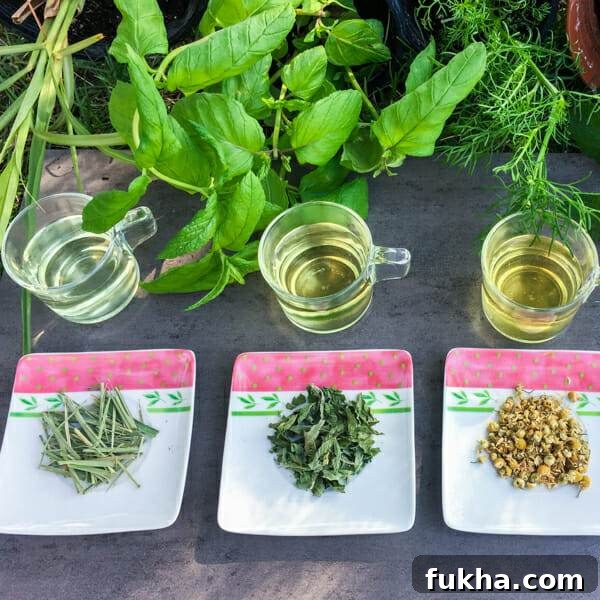
How to Make Tea with Herbs
Here is a straightforward method I use for brewing tea with garden herbs.
- Use boiling water (100°C / 212°F) for most herbs.
- Use 1–2 tablespoons of dried herbs or 3–5 tablespoons of fresh herbs per 1 cup (240 ml) of water.
- Cover and steep for about 3–5 minutes, depending on the herb.
The three most important variables are water temperature, herb quantity and steep time. Adjust each to suit the herb and your taste.
Water Temperature
Most garden herbs—mint, lemon balm, lemon verbena, lemongrass, thyme, sage—are best brewed with fully boiling water (100°C / 212°F).
Delicate flowers and blossoms such as chamomile, lavender, rose petals and calendula benefit from slightly cooler water. After boiling, let the water sit for one to two minutes (about 85–90°C / 185–195°F) before pouring. Slightly lower temperature preserves delicate aromatics and reduces the chance of bitterness.
How Much Herb to Use
Begin with these amounts per cup (240 ml) and adjust to taste:
- Dried herbs: 1–2 tablespoons
- Fresh herbs: 3–5 tablespoons
Fresh herbs lose volume as they dry, so use roughly three times more fresh herb by volume than dried. Fresh herbs should be gently bruised or muddled to release essential oils. Avoid crushing too hard, which releases bitter chlorophyll and grassy notes.
Steep Time
- Most garden herbs: about 5 minutes
- Delicate flowers and citrus peel: about 3 minutes
Steeping too long can make delicate herbs bitter. Cover your cup or pot while steeping to keep aromatic oils from evaporating with the steam.
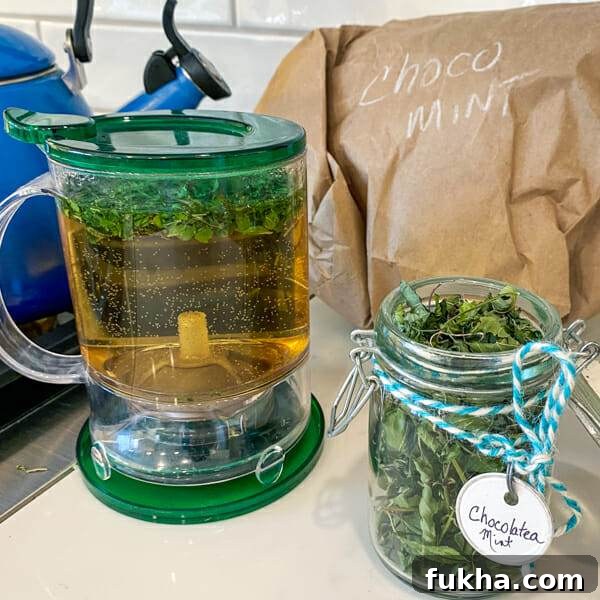
Helpful tips from years of brewing tea:
- Gently crush dried herbs before steeping to release their essential oils.
- Muddle fresh herbs lightly—rub or bruise leaves—to release aroma without extracting too much chlorophyll.
- Use three times more fresh herbs than dried herbs by volume.
- Older dried herbs lose potency; increase the amount if herbs have been stored a long time.
- Try single-herb cups or combine two or three complementary herbs. You can also add dried fruit, flower petals or warming spices such as cinnamon or fresh ginger.
- Mixing a small amount of black, green or oolong tea with herbs introduces caffeine and a stronger base flavor—there are no strict rules, so experiment to suit your preferences.
- If you prefer brighter colour in your brew, include hibiscus, calendula or blue butterfly pea blossoms.
- Lemon balm is at its best when used fresh; it loses much of its fragrance when dried.
Herbal Tea
You can use both fresh and dried herbs for tea. Dried herbs offer consistent results and easy storage; fresh herbs make a bright, lively cup when they are in season.
In summer I often brew a quick cup from fresh clippings after pruning.
5 mins
1
Getty Stewart
Ingredients
- 1 cup water (boiled to 100℃/212℉)
Choose dried or fresh herbs
- 1–2 Tbsp dried herbs
- 3–5 Tbsp fresh herbs
Instructions
- Dry herbs: crush lightly before steeping to help release essential oils.
- Fresh herbs: gently muddle or bruise leaves to release aroma.
- Pour boiling water over the herbs. For delicate flowers or citrus peel, let boiled water cool for 1–2 minutes before pouring.
- Let steep 3–5 minutes depending on the herb and taste.
- Strain and serve plain or with a sweetener to taste.
Notes
*Amounts will vary by herb, harvest time and storage. Start with 1 Tbsp dried or 3 Tbsp fresh per cup and adjust.
**Most garden herbs suit a 5-minute steep, but delicate herbs and some flowers may turn bitter if steeped too long—limit those to about 3 minutes.
Brewing tips
- Use three times more fresh herbs than dried herbs by volume.
- Don’t crush fresh leaves too hard to avoid bitter chlorophyll extraction.
- Older dried herbs lose flavour; use more if needed.
- Blend herbs thoughtfully: flavor balance, color, caffeine and any medicinal considerations can guide combinations.
- If you want vivid color, include hibiscus, calendula or butterfly pea flower.
Nutrition Facts (per serving)
Favourite Herbs for Tea
Here are common herbs I recommend for tea, with brief notes on their typical uses and flavour profiles.
- Chamomile – calming, soothes digestion and helps promote sleep.
- Hyssop – fragrant, traditionally used for digestion and relaxation.
- Sage – woodsy flavour, comforting for sore throats and clear-headedness.
- Rosemary – stimulating aroma, can help lift mood and support circulation.
- Peppermint – menthol flavor, soothes digestion and relaxes muscles.
- Chocolate Mint – chocolatey-menthol notes, a delicious and relaxing treat.
- Spearmint – gentle and useful for digestive relief.
- Apple Mint & Fruit Mints – mild, fruity aromatics that aid digestion.
- Lemon Balm – bright lemony scent that lifts the spirits; best used fresh.
- Lemon Verbena – refreshing, helpful for indigestion and nausea.
- Lemongrass – citrusy, lively flavour with immune-supporting compounds.
- Lemon Thyme – light lemony notes, good for colds and digestion.
- Thyme – useful for coughs and cramps; robust flavor.
- Stevia – natural sweetener for tea when you want to avoid sugar.
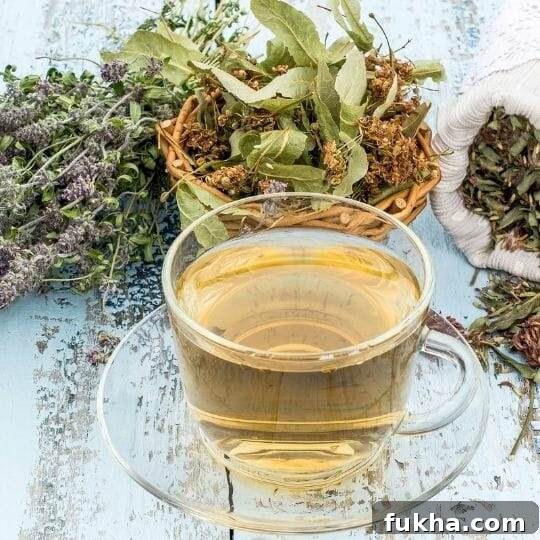
A Word of Caution about Herbs for Tea
All plants contain active compounds and may cause allergies or adverse effects in some people. The herbs listed here are intended for occasional home use as a cup of tea. Anyone planning to consume herbs regularly, in larger amounts, or for medicinal purposes should research each herb and consult a healthcare provider—especially children, pregnant or breastfeeding people, those taking medication, or those with chronic health conditions.
I’d love to hear about your herbal tea experiments and favourite flavour combinations. Share your experience and what grows well in your garden.
Be confident growing and using herbs.
Explore practical tips for growing, harvesting and preserving herbs, along with recipes that take your garden from harvest to teacup and table.
What to expect from a good herb guide
- How to grow and care for common culinary and tea herbs
- Step-by-step harvesting, drying and preserving instructions
- Tea and beverage recipes using fresh and dried herbs
- Recipes for appetizers, salads, mains and desserts incorporating herbs
- Answers to common herb-growing and usage questions
Many resources are available in print and ebook formats for readers who want a complete handbook.