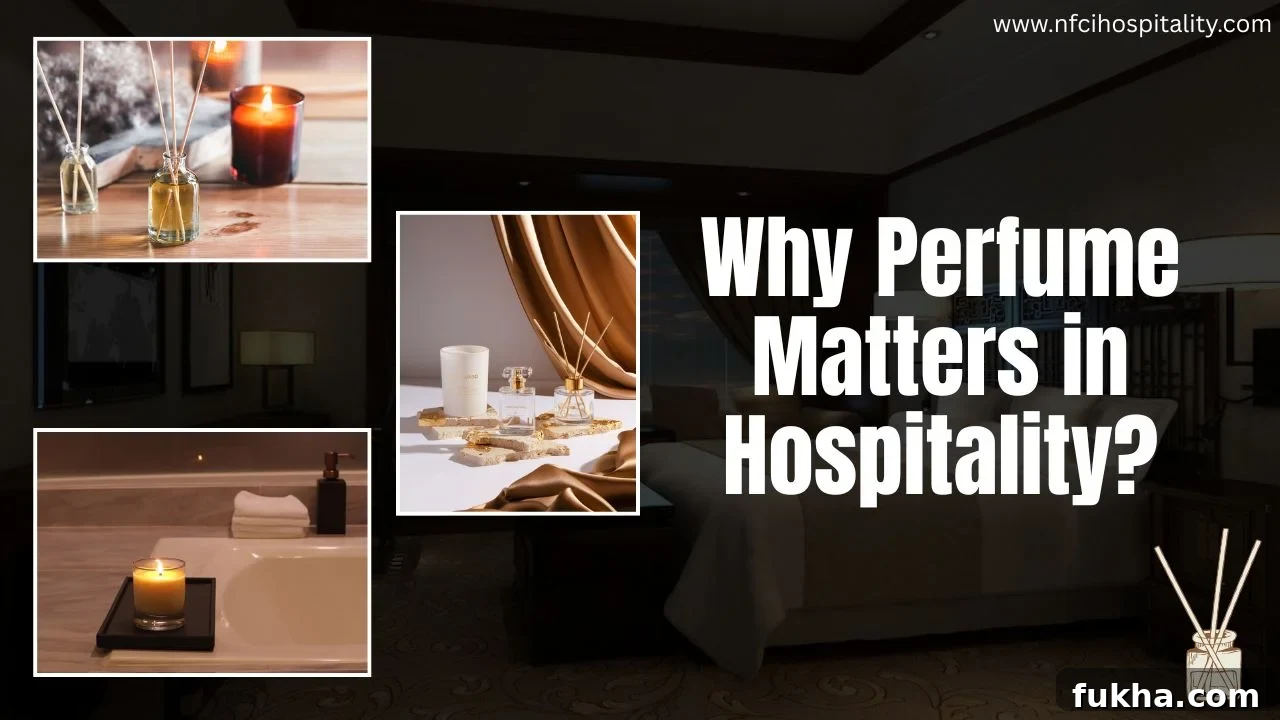
Note: In this guide, the word perfume refers to ambient fragrance used in hotel spaces, not personal perfumes worn by guests.
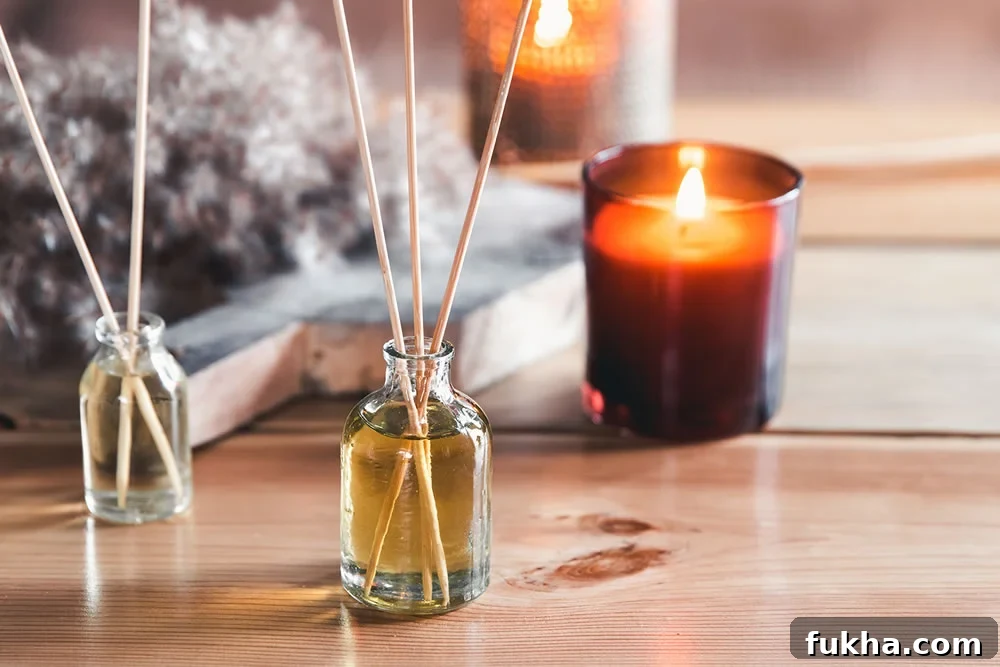
The instant you step into a hotel, workplace, or a host’s home, an invisible impression often reaches you before anything else. Before the décor or the lighting, what greets guests first is usually the scent. Guests expect hotels to smell inviting the moment they walk in. That first olfactory impression shapes how the rest of the stay is perceived.
In hospitality, scent acts as a quiet storyteller—evoking warmth, calm, and memory. Hotel fragrance is both a strategic and psychological tool: it engages the limbic system and influences emotions and memories long before guests can put the feeling into words.
This guide explains why ambient fragrance matters in hotel management, how hotels select and deploy scents, and what hospitality students should learn to apply fragrance professionally and ethically.
The Science: Why Smell Has Power
When we inhale a scent, odor molecules stimulate the olfactory nerves, which connect directly to the brain’s limbic system—the area involved in emotion and memory. Because of this direct link, smell can trigger an emotional response instantly without conscious analysis.
That is why a single scent can:
- Bring back vivid memories of a place or moment.
- Create a sudden sense of comfort or calm.
- Trigger discomfort or a negative reaction if the smell is unpleasant or overpowering.
What Research Shows
Consumer behaviour research consistently finds that pleasant ambient scents can:
- Make people feel more comfortable and at ease in a space.
- Improve perceptions of cleanliness, luxury, and overall comfort.
- Increase the time guests spend in a location.
- Encourage repeat visits and positive recommendations.
- Enhance perceived product quality in retail environments.
In short: a well-chosen scent often equals a better guest experience—even when guests are not consciously aware of it.
Why Perfume Matters for Hotels
For hotels, scent helps create emotional memories and reinforces brand identity. A soothing, consistent signature scent can shift a guest’s mood the moment they enter, embedding a positive memory that prompts return visits and referrals.
Like a logo or a soundtrack, a signature scent becomes part of a hotel’s brand identity. Used thoughtfully across public areas, it strengthens recognition and emotional connection.
Storytelling with Scent: The Signature Smell
Many leading hotels commission bespoke fragrances to reflect their brand story. A signature scent used consistently—in lobbies, spas, corridors, and retail spaces—becomes instantly recognizable and helps guests recall the property long after their stay.
When the same olfactory theme is carried across a property, it enhances brand recall and encourages guests to associate that fragrance with their positive experiences at the hotel.
Use of Perfume in the Hotel Industry: Where and Why

- Lobby / Arrival: Create a warm welcome with light citrus, white tea, or delicate woods to suggest cleanliness and calm.
- Spa & Wellness: Use aromatherapeutic notes like lavender or eucalyptus to promote relaxation.
- Guest Rooms: Keep fragrances extremely subtle or allow rooms to remain neutral, respecting guest comfort and sensitivity.
- Restaurants & Kitchens: Avoid masking food aromas; dining areas often remain unscented so culinary scents take precedence.
- Retail & Gift Shops: Slightly stronger, retail-friendly scents can encourage browsing and purchases.
Does Scent Affect Behavior and Revenue?
Multiple studies and industry data show measurable effects:
- Pleasant ambient scents improve evaluations of the environment, influence product perception, and increase intent to revisit.
- Industry surveys indicate many guests report that pleasant smells positively affected their relaxation and overall experience, supporting higher satisfaction scores and longer dwell times.
Risks and Ethics: When Perfume Backfires
Scent is powerful but carries risks if misused:
- Over-scenting: Excessive fragrance can cause headaches, nausea, or allergic reactions. Scents must be dosed carefully and matched to the space.
- Guest sensitivity: Some guests require fragrance-free environments for health or cultural reasons. Hotels should provide unscented options and clear communication.
- Inconsistency: A lobby that smells different on each visit undermines the signature scent strategy and damages trust.
How Hotels Can Reduce Scent Risks
- Use low concentrations, zone-based scenting, guest opt-outs, and a reliable system for tracking complaints.
- Never use fragrance to mask poor cleanliness. Scent should enhance hygiene, not replace it.
How Signature Perfumes Are Created
Designing a hotel scent is a careful, iterative process:
- Brand brief: Define the mood, audience, and narrative the fragrance should communicate.
- Perfumers or agencies: Work with experienced perfumers or olfactory branding specialists to develop accords that reflect the brief, through multiple iterations and tests.
- Pilot testing: Trial scents in real hotel spaces, collect guest and staff feedback, and adjust intensity and placement.
- Scale and control: Select diffusion technology (HVAC integration, nebulizers, or localized units) and establish SOPs for maintenance and refills.
Practical Checklist for Hoteliers (Before Scenting)
- Define the brand emotion the scent should convey—calm, energy, or luxury.
- Choose a professional perfumer or reputable olfactory agency.
- Map scent zones and clearly mark areas not to be scented, such as dining rooms.
- Pilot with small focus groups and collect measurable feedback.
- Use technology that allows intensity control and scheduling.
- Train housekeeping and front-desk teams on guest opt-outs and product handling.
- Monitor reviews and guest feedback, and adjust within 30–90 days.
What Hospitality Students Should Learn
Scent literacy is an increasingly important professional skill. Understanding scent psychology and perfume etiquette contributes to guest experience and personal development in hospitality careers.
Key learning points
- Understand the fundamentals of scent psychology and emotional response.
- Learn perfume etiquette and how to respect guest sensitivities.
- Gain basic knowledge of scent-diffusion technologies and controls.
- Adopt a guest-first mindset when implementing fragrance solutions.
How Technology Is Shaping Fragrance in Hotels
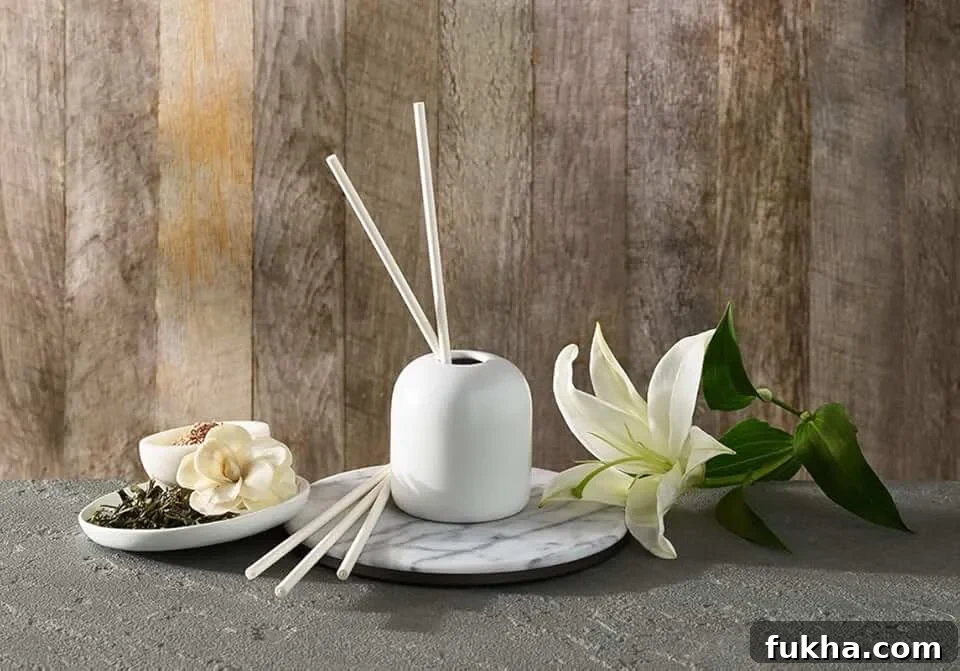
Expect these trends to grow:
- Personalized in-room scent options: Guests choosing room fragrances via apps or in-room controls.
- Smart scent scheduling: AI-driven adjustments of scent intensity by occupancy, time of day, or guest profile.
- Scented merchandising: Packaging signature scents as candles, sprays, and amenities for sale.
- Health-forward scenting: Hypoallergenic and natural-ingredient accords for eco-conscious guests.
Final Thoughts
Ambient fragrance in hospitality is a strategic choice that should be tested, guest-centred, and carefully controlled. When implemented well, scent becomes a silent ambassador for a hotel—calming guests, creating memories, and strengthening brand identity. When misused, it can offend or cause discomfort.
For hoteliers and students alike: respect the power of scent, understand the science, test with empathy, and use fragrance thoughtfully to tell your brand’s story.
Institutes offering hospitality management training often include grooming, guest experience skills, and practical scent management techniques as part of their curriculum. Admissions to such programs are typically open; prospective students should research reputable, industry-aligned courses to prepare for a career in hospitality.