Here are some basic cooking guidelines—my top 10 cooking do’s and don’ts—aimed at anyone just starting to cook. I wrote this early in my blogging days and have since added a few shortcuts to my routine, but these remain reliable, practical tips that make learning to cook easier and more enjoyable.
Every cooking blog seems to have a tips page, so here’s mine. Whether they’re explicitly called out in a recipe or not, these are the rules I follow in the kitchen. Small habits add up—these suggestions will help your food taste better and your time in the kitchen flow more smoothly.
My Top 10 Cooking “Do’s”
1. Use unsalted butter whenever possible. Starting with unsalted butter gives you control over the salt level in a dish, so you won’t end up over-seasoning by accident.
2. Cook with real Parmigiano-Reggiano rather than imitation grated cheese. A real wedge of Parmesan lasts a long time and delivers a depth of flavor that pre-grated, processed cheese simply can’t match.
3. Prefer kosher salt to table salt for seasoning. Kosher salt’s texture and how it dissolves make it more forgiving; it’s easier to control and less likely to lead to over-salting. Many cooks find it improves consistency in seasoning.
4. Grind your pepper fresh. The essential oils that give black pepper its aroma are volatile and fade after grinding, so a fresh grind makes a notable difference in flavor.
5. Use fresh garlic rather than jarred pre-chopped garlic. Freshly minced garlic has a brighter, more complex flavor. A simple garlic press makes prep fast and preserves flavor far better than pre-chopped jars.
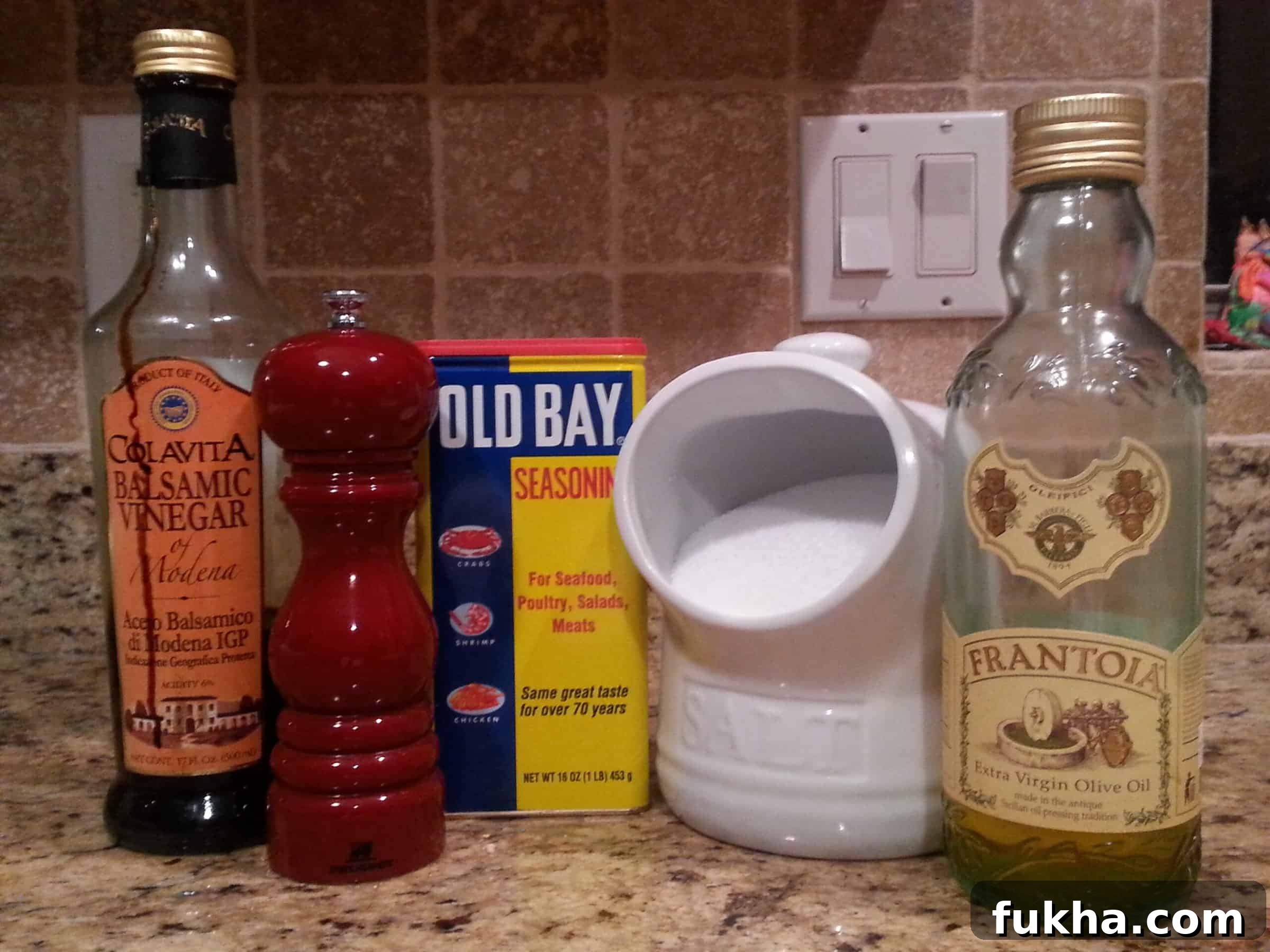
6. Choose high-quality extra virgin olive oil. Olive oils vary significantly by region and producer—taste a few and pick ones you enjoy for finishing, dressing, and cooking. Read labels and buy genuine extra virgin olive oil rather than blends or mislabeled products.
7. Buy authentic, high-quality pantry ingredients whenever you can: real balsamic from Modena, pure vanilla extract, real honey, and 100% maple syrup. These ingredients contribute real flavor; cheap imitations can make a dish taste flat or artificial.
8. Cook with fresh herbs. They lift a dish in ways dried herbs often can’t. If possible, grow a few easy herbs in pots—parsley, basil, and thyme are great starters. For parsley, prefer Italian flat-leaf (flat) parsley for cooking.
9. In many recipes, reduced-fat sour cream (not fat-free) and light mayonnaise work well and keep dishes lighter without sacrificing texture or taste.
10. Keep a bottle of Old Bay seasoning on hand for seafood, vegetables, and quick one-pan dishes—it’s a versatile go-to for adding balanced savory flavor.
My Top 10 Cooking “Don’ts”
1. Don’t press or squish burgers on the grill. Squeezing the patty forces flavorful juices out, leaving a dry burger. Let meats cook undisturbed until they’re ready to flip.
2. Don’t forget to salt your pasta water. Salting the cooking water is the best opportunity to season pasta itself, so make the water noticeably salty before adding the noodles.
3. Don’t mix bacon into dishes where it will go soft—like mashed potatoes or some fillings. Bacon is at its best when it stays crispy; sprinkle it on top or add chunks as garnish so you preserve that texture.
4. Don’t cook with table salt; use kosher salt for most cooking. Its texture and dissolution rate make it easier to season accurately.
5. Don’t rely on imitation grated Parmesan—use real Parmigiano-Reggiano when a recipe calls for Parmesan for the proper flavor and texture.
6. Don’t overcook meats because you’re afraid. Use a reliable meat thermometer and learn target temperatures. Brining poultry and pork can help keep them juicy and more forgiving when timing isn’t perfect. (Yes, I say this from experience—and training.)
7. Don’t cut into meat to check doneness while it’s still resting. Cutting releases juices and dries the meat. Instead, use touch (the thumb-to-finger method described below) or a thermometer to assess doneness, and let the meat rest before slicing.
8. Don’t rinse mushrooms. They act like little sponges and will absorb water, becoming soggy. Clean them with a damp cloth or a quick brush to remove dirt without soaking them.
9. Don’t add salt to vegetables when you want them to brown; salt draws out moisture. If you want them to soften more quickly, salt early so they release liquid and cook through.
10. Don’t be afraid to dream big—volunteer to cook the holiday meal, bring a new recipe to a potluck, or try a multi-step dish. Practice builds confidence; use friends and family as willing taste-testers and you’ll be amazed at what you can accomplish.
Quick doneness touch guide for meat: touch the pad of your hand while pressing your thumb to different fingers—thumb to index feels like rare, thumb to middle like medium, thumb to ring like well done. Otherwise, use a thermometer for precision.