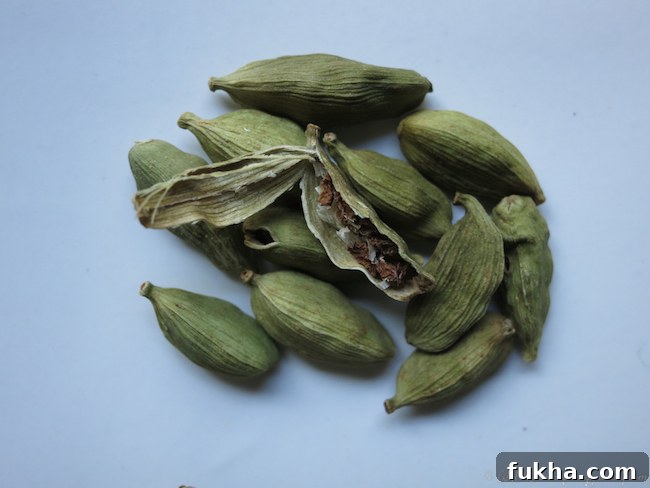
Cardamom Flavor Profile
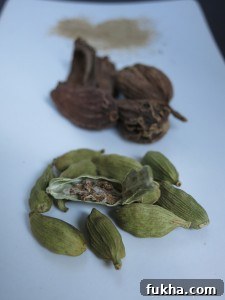 Cardamom appears in thirteen recipes in Jerusalem: A Cookbook, from salads and main courses to desserts and condiments. Its versatility makes it a subtle chameleon in the kitchen, able to deepen and brighten many different flavor combinations.
On the nose, cardamom is floral with warm, spicy notes that hint at nutmeg and ginger. It belongs to the same “warm spices” family as cinnamon and allspice: aromatic, slightly pungent, and very flavorful. Because its profile is strong, use it sparingly until you know how it will behave in a particular dish.
Types of Cardamom
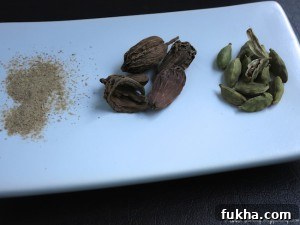
When shopping for cardamom you’ll find whole green pods, the seeds from inside the pods sold separately, and ground cardamom. Green cardamom is common across India and West Asia, often used in sweets, teas, and some savory dishes. In many Arab countries it flavors coffee; in Scandinavia and Germany it frequently appears in baked goods. The fresh pods are sometimes chewed as a breath freshener and are traditionally thought to aid digestion.
You’ll also encounter black cardamom, a much larger pod with a bold, slightly camphor-like aroma. It’s typically reserved for hearty stews, braises, pilafs, and pickles rather than desserts. Both green and black cardamom appear in garam masala and other complex spice blends.
Origin of Cardamom
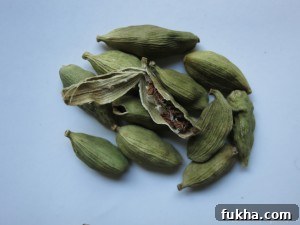
Cardamom is native to southern India but today is also grown in Sri Lanka and Guatemala. In Guatemala, cardamom production has grown substantially and is a major export crop. Because pods are often hand-picked before full ripeness to preserve aroma, cardamom can be pricier than many other spices, though it is still an affordable pantry staple when used in small amounts.
March Cardamom Recipes from the Cookbook Include:
Below are highlights of recipes from Jerusalem that use cardamom in various ways, demonstrating its adaptability across sweet and savory dishes.
- Spiced chickpeas and fresh vegetable salad (page 56): Chickpeas are coated with a spiced mixture that includes cardamom, then dressed with sherry vinegar for a vibrant salad.
- Falafel (page 99): Cardamom complements the earthy flavors of chickpeas (and sometimes favas) in the falafel mix, pairing well with tahini and bright condiments.
- Basmati rice and orzo (page 103): While the base recipe doesn’t call for cardamom, variants from Bukharan Jewish tradition include well-spiced pilafs featuring cardamom pods.
- Cannellini bean and lamb soup (page 135): Crushed pods can be added to the cooking liquid; they may be left in while serving or removed according to preference.
- Lamb-stuffed quince with pomegranate and cilantro (page 155): Whole pods are used in the aromatic stuffing; when quinces are unavailable, firmer pears or apples make reasonable substitutes.
- Ruth’s stuffed Romano peppers (page 165): Ground cardamom joins the pepper stuffing and is also a component in baharat, the spice blend used in the recipe.
- Chicken with caramelized onion and cardamom rice (page 184): A popular, well-discussed recipe; the principal considerations are rice-to-liquid ratio, synchronized cooking times, and whether to leave whole pods in the final dish.
- Lamb shawarma (page 211): Pods are dry-roasted and ground with other spices, then used to flavor the lamb as a dry rub.
- Grilled fish skewers (page 226): Cardamom features in the Hawayej spice mix that coats the fish, bringing Yemeni-inspired warmth to a lighter protein.
- Graybeh (page 260): Though cardamom is not in the base recipe, variations from Yemenite and Persian traditions may include it.
- Poached pears in white wine and cardamom: A simple, elegant dessert that calls for multiple pods to infuse the poaching liquid.
- Cardamom rice pudding with pistachios and rose water (page 270): A comforting rice pudding that layers cardamom with floral rose water and crunchy pistachios.
- Walnut and fruit crumble cream (page 276): Cardamom appears in the cream alongside star anise, contributing a complex, cross-cultural spice profile.
- Baharat (page 299): Their baharat blend includes cardamom pods among several spices.
- Zhoug (page 301): This version of the fresh herb condiment is lightly garlicky and includes small amounts of cumin, cardamom, and cloves for an unexpected depth.
Welcome to Tasting Jerusalem
If you’re new to the group, the spirit is simple: cook, experiment, and share your experience. Here are a few practical guidelines to help you participate.
Group Guidelines:
- How often we cook: A new set of recipes is chosen each month so members can find time to cook and source ingredients that might be uncommon locally.
- Do I need to cook every recipe? No. Choose whichever recipes suit your tastes and schedule. The aim is to explore and enjoy the book at your own pace.
- What you need: The cookbook Jerusalem: A Cookbook, an interest in cooking and trying new flavors, and an internet-capable device to share results and follow the group posts.
- How to share your cooking: Everyone is welcome. You don’t need to be a blogger. Photos and short notes about your preparations are encouraged to inspire others and foster discussion.
- Publishing recipes: To respect copyright, do not post full recipes from the book unless you have explicit permission from the publisher. Summaries, impressions, and adaptations with proper credit are fine.
- Questions and community help: Group leaders and members monitor social channels and are happy to answer questions. If you know an answer, please share it—community knowledge is part of the fun.
- When you write about the book: Let the group know so posts can be shared. If you adapt a recipe, note that it’s adapted, credit the source, and avoid reproducing the cookbook text verbatim.