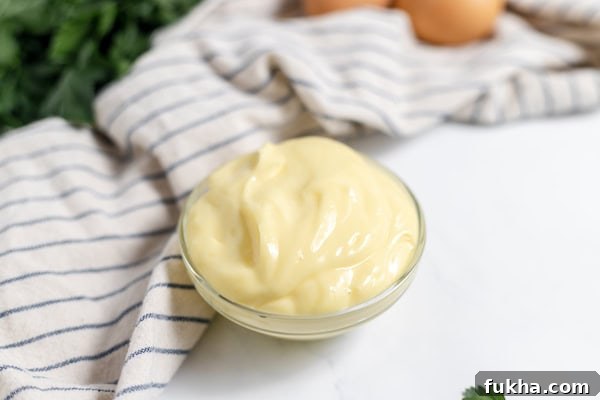
If you’ve wondered whether homemade mayonnaise is better than store-bought, this easy recipe will show you how simple and rewarding it can be.
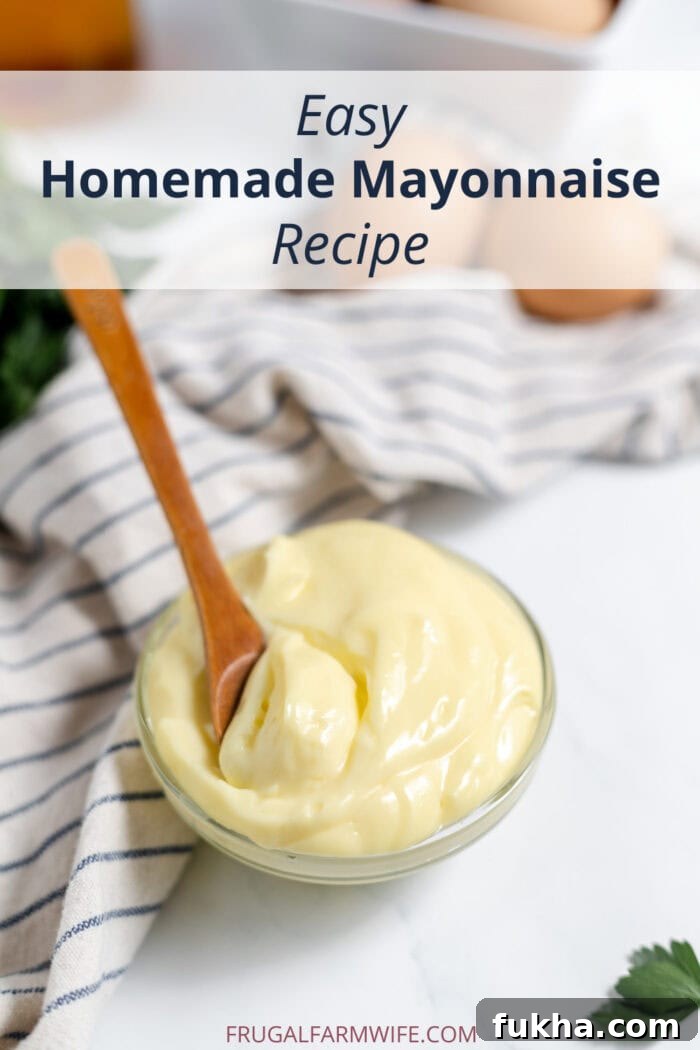
Making mayonnaise at home gives you full control over the ingredients and flavor. It’s straightforward, requires just a few pantry items, and is a great way to use extra eggs. Whether you avoid seed oils or simply prefer fresher, less-processed foods, homemade mayo is worth trying.
Ingredients for homemade mayonnaise
The basic ingredients are common and easy to adapt. Below are the essentials and a few variations to consider.
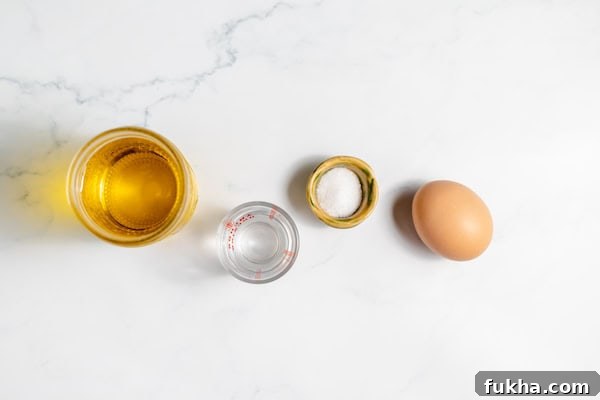
- Egg. Use a whole egg for a lighter, aerated mayonnaise, or only egg yolks for a richer, more stable emulsion.
- Salt. Enhances flavor and helps preserve the mayo for a short time in the fridge.
- Lemon juice or vinegar. Adds brightness and lowers pH to reduce bacterial growth while improving flavor.
- Oil. Choose a neutral or light-tasting oil for a balanced flavor. Light olive oil is a popular compromise: it offers some olive oil characteristics without the strong taste of extra-virgin, and it stays softer when refrigerated. Neutral oils like sunflower, safflower, or avocado oil also work well. Note that some oils, such as coconut oil, solidify when chilled and can cause separation.
You can experiment with different oils, but be aware of how they behave when cold. Oils that solidify in the refrigerator will change the texture of the mayo and may separate when warmed back to room temperature.
Optional additions: a half teaspoon Dijon mustard or a pinch of mustard powder for extra tang; one crushed garlic clove or 1/4 teaspoon garlic powder for garlic mayo; a pinch of cayenne or smoked paprika for a spicy or smoky twist.
Raw eggs and safety Raw eggs carry a small risk of salmonella. If you are concerned, you can pasteurize eggs at home before using them or purchase pasteurized eggs from a trusted source.
How to make homemade mayonnaise
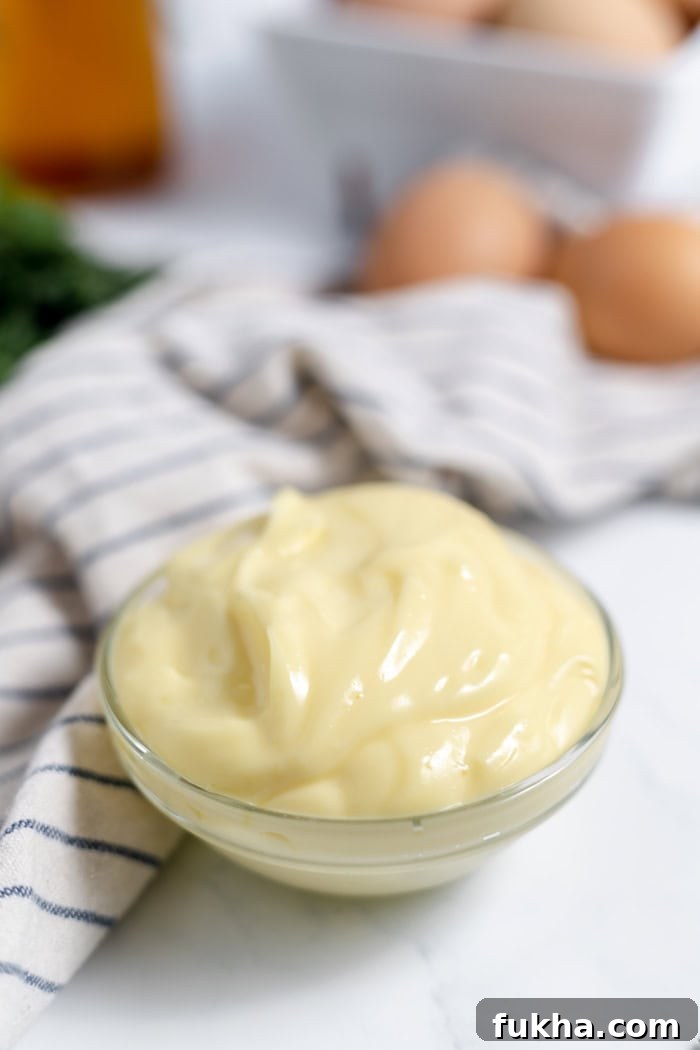
Mayonnaise is an emulsion, which means dispersing tiny droplets of oil into an egg-based mixture so they remain suspended. The simplest, most reliable method is to add the oil slowly while blending.
You can use a food processor, blender, or an immersion (stick) blender. The immersion blender method is fast and convenient but can be a little less forgiving, so adding oil gradually helps ensure success.
Simple, reliable method:
- Crack one egg into the bowl of a food processor or blender.
- Add salt and lemon juice or vinegar, then blend briefly to combine.

- With the motor running, open the feed tube or small opening in the lid.
- Slowly pour the oil in a thin, steady stream into the egg mixture while the machine blends. As oil is incorporated, the mixture will thicken and become opaque.
- After all the oil is added, continue blending for 30–60 seconds to fully stabilize the emulsion.
- Turn off the processor, scrape the mayonnaise into a jar or airtight container with a rubber spatula, and refrigerate.
- Use within about one week for best freshness and food safety.
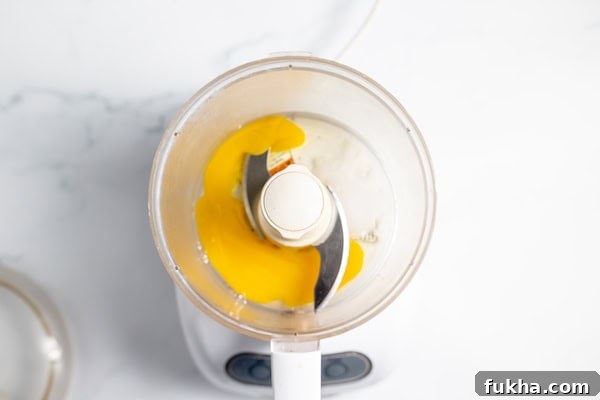
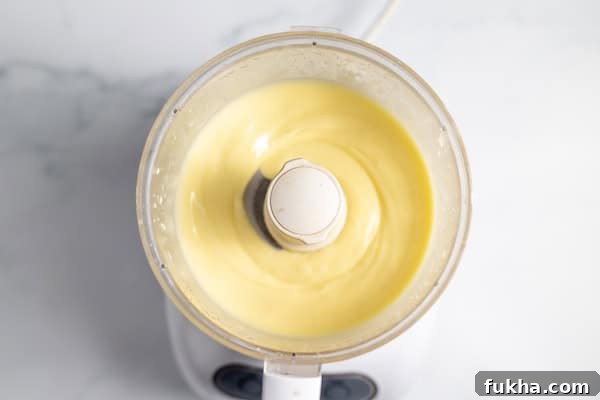
Homemade mayonnaise does not contain the preservatives or stabilizers found in many commercial products, so it should not be left at room temperature for extended periods and will have a shorter refrigerator life than store-bought varieties.
How to fix broken mayonnaise
If the mayo separates or breaks, don’t worry—there are two common fixes:
- Add a tablespoon of boiling water and blend briefly. This can smooth and loosen the emulsion without diluting flavor much.
- Add one egg yolk to the broken mixture and blend. The extra yolk provides more emulsifiers and can bring the sauce back together.
Successful repair depends on thorough blending. If one method doesn’t work, try the other.
Ways to use your homemade mayonnaise
Use your mayonnaise anywhere you would use a commercial jar: on sandwiches, as the base for tuna or chicken salad, in potato or egg salads, or as the foundation for dressings and dips.
Recipe ideas to try with your mayo: Simple apple salad; Creamy cucumber salad; Broccoli pasta salad; Broccoli salad with bacon; Homemade buttermilk ranch dressing. (These are recipe ideas—you can adapt your mayo to each by adding the complementary seasonings listed above.)
Easy Blender Mayonnaise

Making your own mayonnaise is quick, fresh, and customizable. Once you get the hang of the technique, you’ll be able to tailor flavor and texture to your taste.
- Author: Elise
Ingredients
- 1 egg
- 3/4 teaspoon salt
- 2 tablespoons lemon juice or vinegar (white wine vinegar or lemon works well)
- 1 cup neutral oil (light olive, safflower, avocado, or other neutral oil)
Instructions
- Combine the egg, salt, and lemon juice or vinegar in the bowl of a food processor or blender and blend briefly.
- With the motor running, slowly pour the oil in a thin stream through the feed chute while blending. The mixture will thicken and turn opaque as the oil is incorporated.
- After all the oil is added, continue blending for 30–60 seconds to complete the emulsion and thicken the mayo.
- Scrape the mayonnaise into a jar or container with an airtight lid.
- Store in the refrigerator and use within one week.
- Enjoy!