Here are practical tips to make cleaning your kitchen and home easier. These simple habits save time, reduce frustration, and often eliminate the need for harsh scrubbing or expensive tools.
One Trick To Cut Kitchen Cleaning In HALF and make cleaning easier!
I tried a few small changes recently that made cleaning much faster. These are straightforward, low-cost habits you can adopt today. Below are some quick cleaning ideas to simplify your routine and reduce the need for scraping or heavy-duty chemicals.
Many people reach for plastic scrapers to lift dried messes off countertops, but with the right approach you rarely need them. One principle professional cleaners use is to let cleaning solutions and hot water do the work instead of immediately scrubbing.
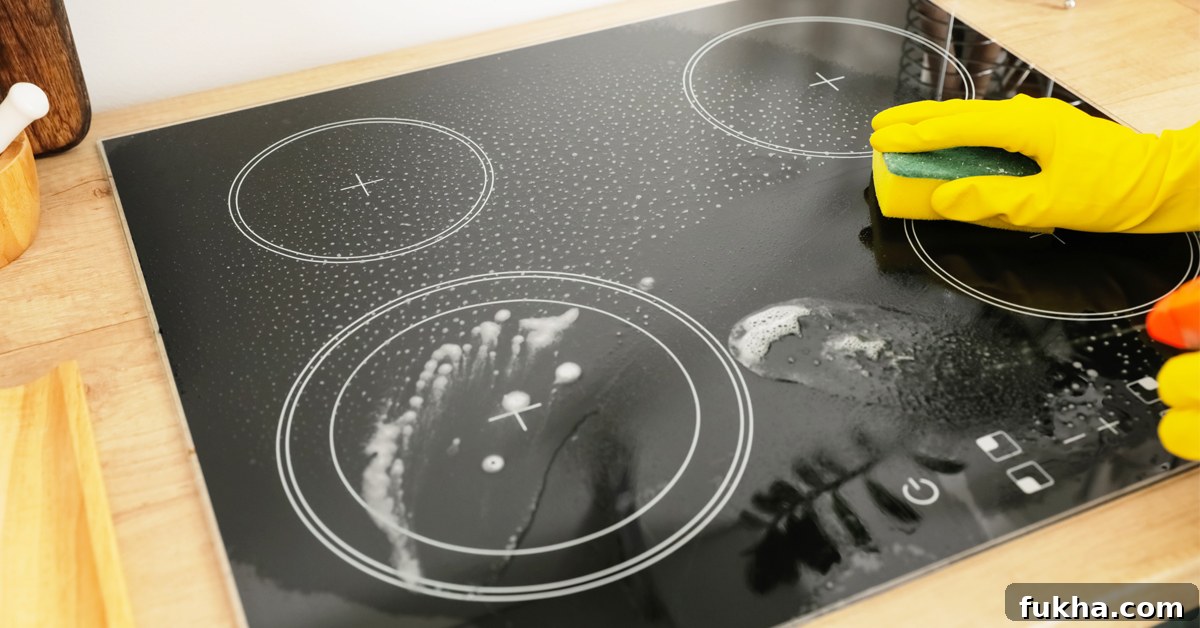
A simple routine I use: rinse dishes, then place them in hot, soapy water in the sink. This softens food residue and keeps the sink organized. While the dishes soak, I use the same hot, soapy rag to quickly go over all the countertops and the stove—I’m not trying to scrub everything clean at that point, just covering surfaces with a film of hot, soapy water.
Before I start washing the dishes, I take a super-wet, soapy dishcloth and run it across the counters and stove. This pre-soak loosens sticky spots like pancake batter, syrup, or jam so that when I wash and rinse the cloth later, those messes wipe away easily without scraping.
After washing the dishes, I wring out the rag well and re-wipe the counters. Because the surface was pre-soaked, the remaining residue comes off with minimal effort. This method saves time and prevents damage from aggressive scraping tools.
I don’t do the full pre-soak every time I wash dishes. For quick meals like sandwiches, counters usually stay clean and I only do a light wipe. Use this approach when you expect sticky spills or after cooking messy foods.
Over time this habit changed how I keep the kitchen. Filling the sink with soapy water and placing dishes inside encourages me to clear the counters faster. Even if dishes remain in the sink, the counters look tidier—handy when unexpected guests arrive.
I also cleaned the trash can today with the soaking method. I took the can outside, filled it with hot, soapy water and a small amount of bleach, submerged the lid and a broom head that needed cleaning, and let them soak for a couple of hours. When I returned, rinsing was all that was needed—the stuck-on grime had dissolved. When possible, let things soak rather than scrubbing immediately.
A few practical reminders: if you use bleach, follow label instructions and avoid mixing bleach with ammonia or vinegar. Rinse thoroughly after soaking and let items dry in fresh air.
-Jill
Reader tip: You were right! One reader told me how she used the same technique in her microwave. She wiped the interior with a hot, soapy rag first, put the glass turntable into hot soapy water to sit, and then returned to finish the microwave. Everything came off easily and the whole task took only a few minutes.
That same approach works for ovens, stovetops, coffee makers, and any appliance with stuck-on food: pre-soak or apply hot soapy water, let it sit, and then wipe or rinse.
Thanks for the feedback, Sarah.
My mom used to say the best cleaner is hot soapy water—use it more and you’ll save time and money.
-Tawra
Hot soapy water and soaking really do work wonders.
-Jill
The “How To Organize And Clean Your Home” ebook set includes three guides to help you organize living spaces, reduce clutter, manage laundry, and simplify cleaning routines. These practical steps are designed to lower stress and make maintenance predictable and manageable.