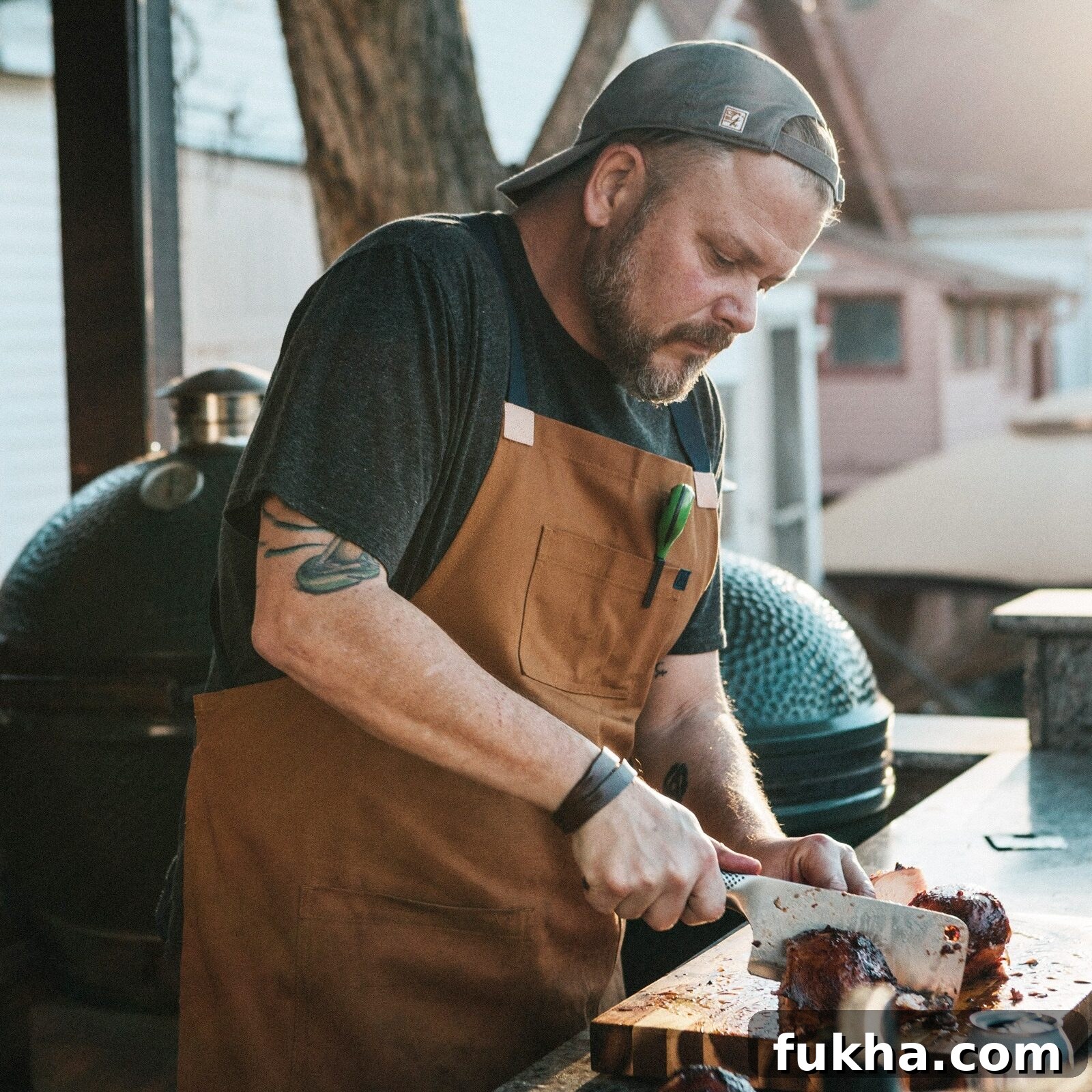
If you want to improve as an outdoor cook, learning how to grill by feel on the Big Green Egg is essential. Great barbecue is more than timers and charts — it’s about reading the fire, trusting your senses, and responding to what the food is communicating.
Many home cooks fixate on thermometers and clocks and miss the full sensory language of grilling. Color, texture, aroma, sound and the way meat responds to a probe all provide important clues. The best grillers combine those signals with temperature readings to make better decisions in real time.
Thermometers remain valuable for safety and consistency, but numbers alone won’t make you a confident pitmaster. The Big Green Egg is an ideal platform to learn this approach: its live fire, airflow, smoke and retained heat all give feedback you can learn to interpret. Once you master grilling by feel, steaks, wings, brisket and ribs all improve.
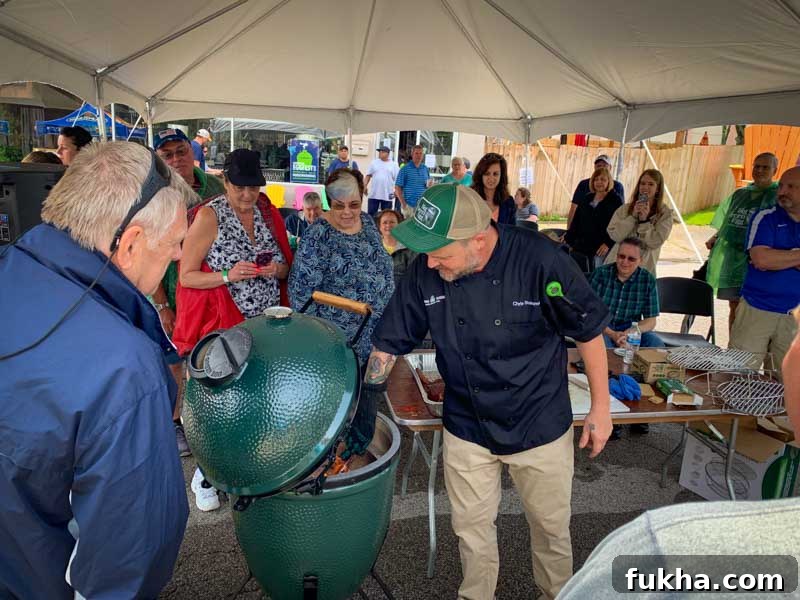
What Does Grilling by Feel Actually Mean?
Grilling by feel means using your senses to guide the cook, not replacing instruments with guesswork. It’s knowing how food looks, smells, sounds and feels as it moves from raw to finished, and using those signs alongside tools like a thermometer.
Beginners often seek exact answers — minutes per side, a single target temperature. Those guidelines are helpful but incomplete. Two similarly cooked steaks can finish differently because of thickness, fat content, grill setup and airflow. Experience teaches you when skin tightens, when a bark is ready, or when a probe moves through brisket like warm butter. Those real-time signals matter more than a stopwatch.
Grilling by feel isn’t aimless. It’s attentive cooking: you read the grill, confirm with temperature checks when needed, and adjust based on what you observe. That shift moves you from anxious timing to confident decisions, making the Big Green Egg a more effective tool.
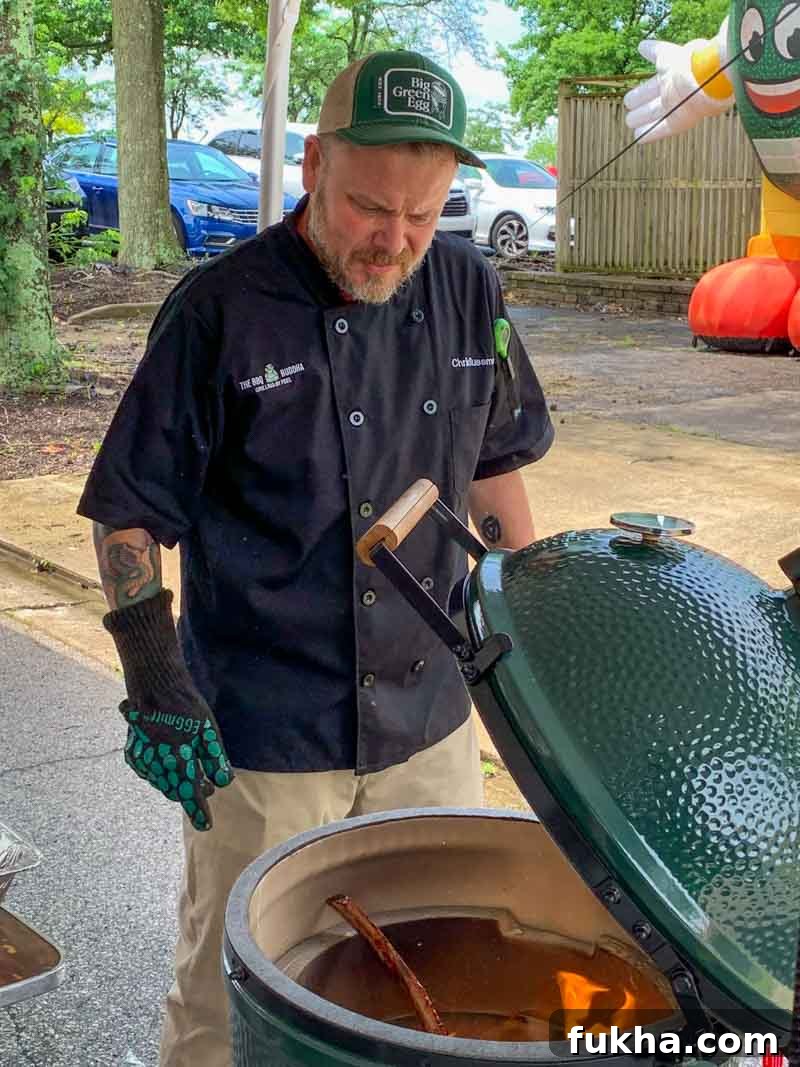
Why Temperature Still Matters
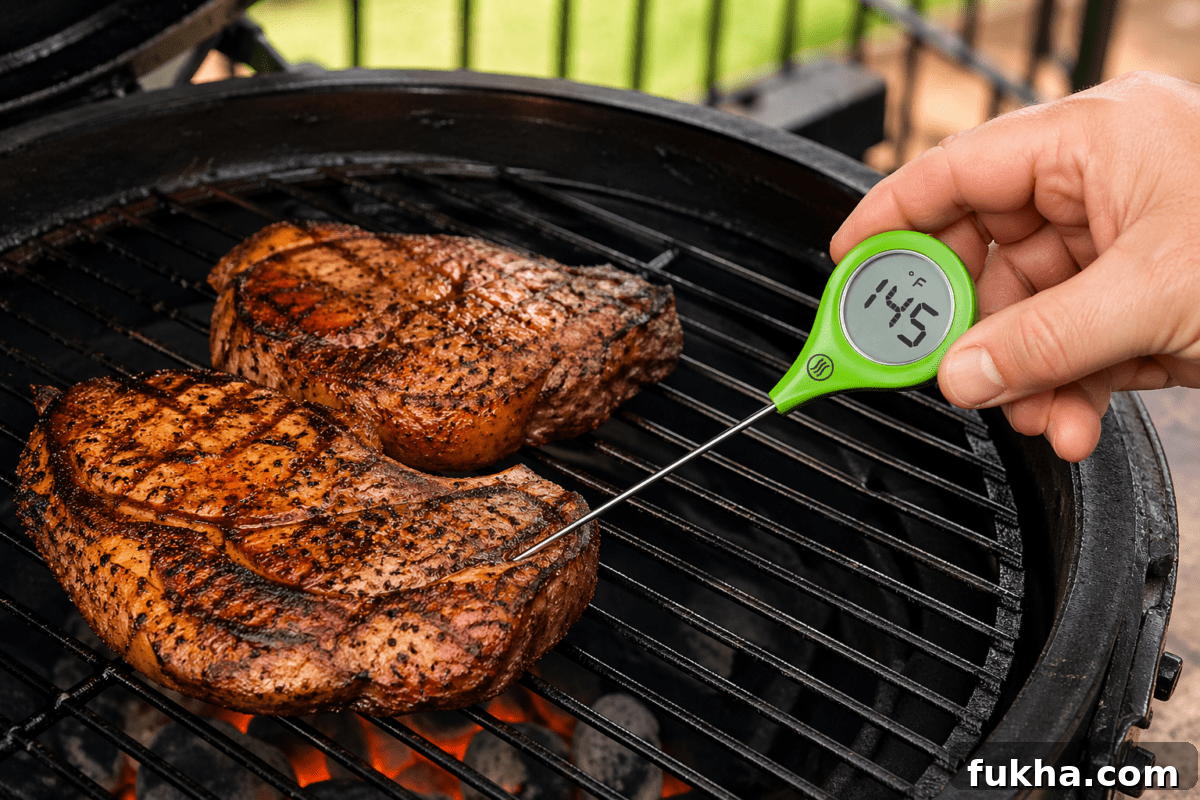
Grilling by feel does not mean ignoring temperature. Temperature is crucial for food safety and consistent results. Know the target internal temperatures for chicken, pork, steak and larger cuts like brisket or pork shoulder. Pulling protein too early risks safety; overcooking dries it out.
Still, temperature is only one part of the picture. A brisket can reach a target number and remain tough; a steak can be the right internal temperature but lack the desired crust. Use temperature as a checkpoint, not the only finish signal. For example, if a pork butt reads 203°F but probes tight, it’s not done; if a steak reaches target temp but needs one more minute to develop color, trust the visual cue.
The best cooks use both: they know the numbers, but they also listen to the fire, read texture and notice visual cues. That balance builds reliable, repeatable results.
Learning to Use Your Senses
Trusting your senses is the biggest change when becoming a better grill cook. On the Big Green Egg you get constant feedback if you slow down and pay attention.
Eyes: Watch for color, bark and crust. A steak should develop a deep sear; chicken skin should tighten and turn golden; ribs should build a rich bark and pull back from the bone.
Touch: Probe and feel. Brisket should give way easily, like warm butter. Pork chops should be firm with some give. Burgers reveal a lot when pressed with a spatula.
Sound: A steady sizzle signals good searing. Silence can mean heat is too low; aggressive popping indicates the fire is too fierce. Your ears often notice problems before the thermometer does.
Smell: Clean smoke is rich and slightly sweet; harsh, acrid smoke signals a problem. Aromas from rendering fat, caramelizing rubs and finished bark hint that food is nearing doneness.
These sensory details are small but powerful. They help you move from reacting to anticipating, letting the grill communicate what’s happening.
Why Timing Alone Is a Mistake
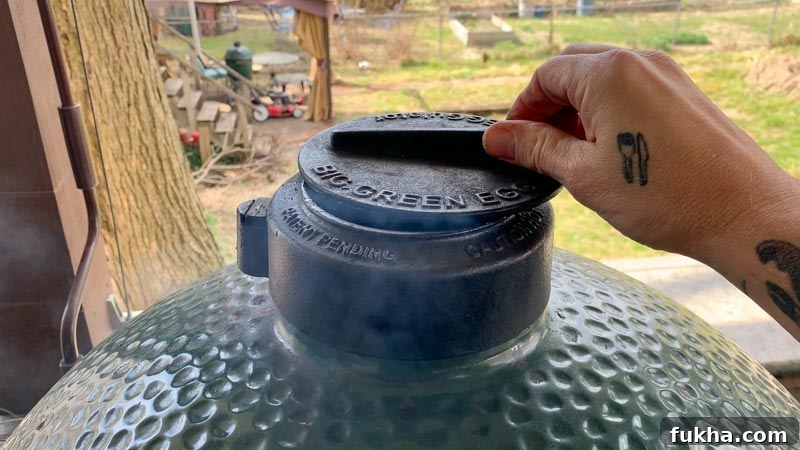
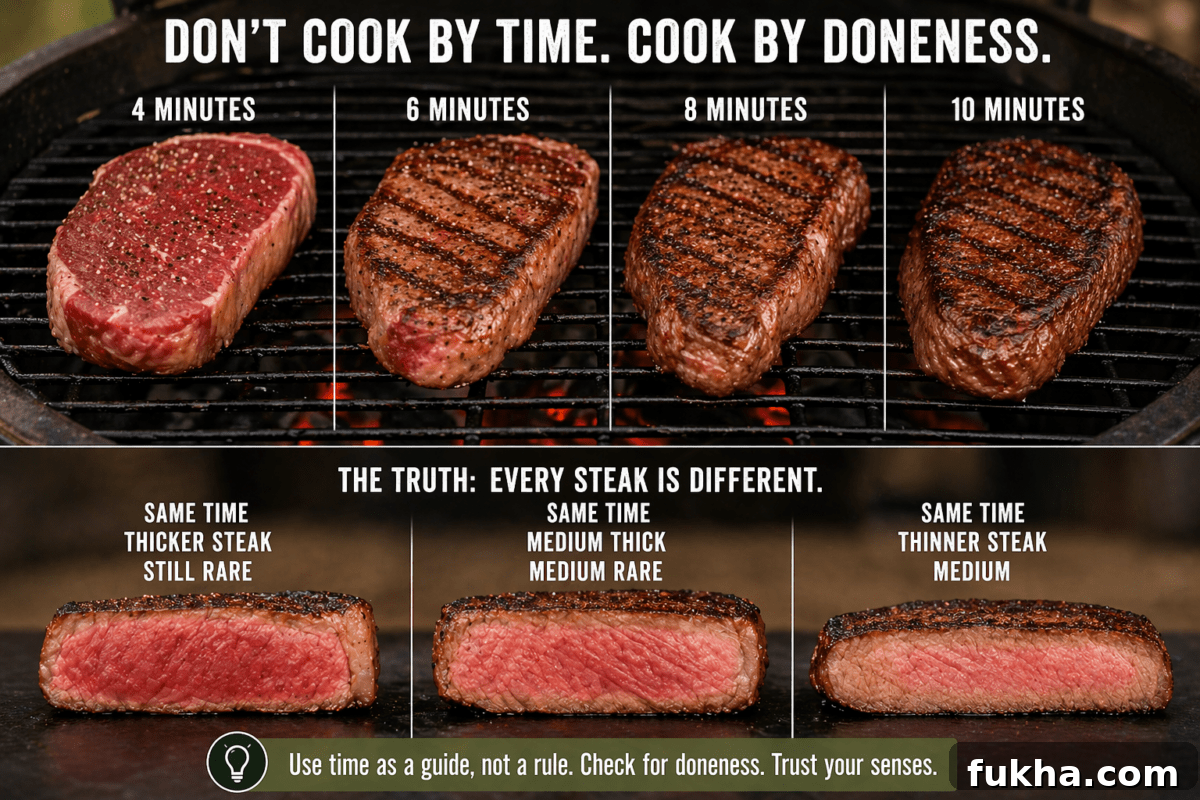
Relying only on a timer is a common beginner error. Every cook varies: weather shifts, wind changes, charcoal behavior differs, and cuts vary in thickness. A blanket rule like “six minutes per side” is only a starting point and often misleading.
Use time as a guideline, not an absolute. Start checking early, watch color, feel texture and verify internal temperature. Especially on a ceramic cooker like the Big Green Egg, small airflow or dome temperature changes can alter the cook more than expected.
Skilled cooks stop asking “How much longer?” and begin asking “What is the food telling me?” That mindset produces consistently better results.
Common Mistakes Beginners Make
Most grilling errors come from rushing or overreacting rather than flawed recipes. Here are common problems and how to avoid them.
Opening the lid too often: Every dome lift on the Big Green Egg drops heat and disturbs airflow. Resist unnecessary checks and plan your timing to minimize interruptions.
Chasing exact temperatures: Small swings around a target like 250°F are normal. Constantly adjusting vents usually worsens the situation more than the minor temperature change does.
Under-seasoning: Be generous with seasoning on steaks, pork chops and larger cuts. Proper seasoning supports a robust bark and deeper flavor.
Following time blindly: Time is only a rough estimate. Adjust based on thickness, conditions and how the food reacts on the grill.
Skipping rest: Rest meat after cooking to let juices redistribute. Slicing too soon wastes the effort you put into building flavor.
Overall, better barbecue usually comes from doing fewer things, but doing them well — patience, focus and attention to basics pay off.
Final Thoughts on Grilling by Feel
Learning to grill by feel on the Big Green Egg changes how you approach cooking. It evolves your process from following steps to understanding the interplay of fire, meat and time.
Use recipes, timers and thermometers to build consistency, especially when you’re learning. Then expand beyond those tools: trust your eyes, hands, nose and ears. That combination builds real confidence — you’ll know when the food is ready because you recognize the signs, not just because a number says so.
The Big Green Egg is an excellent training ground because it offers continuous feedback. Pay attention, listen to the fire, and let experience teach you what great barbecue feels like. Use your thermometer and know your targets, but let your senses complete the picture.