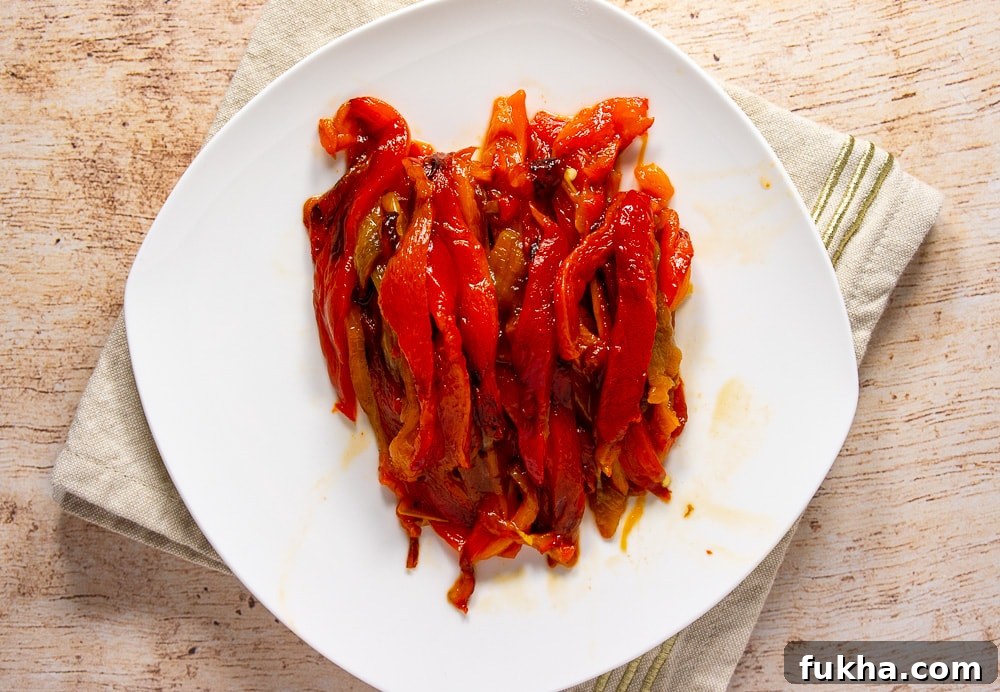
Learning to roast peppers at home is an easy way to bring out sweetness and depth in summer peppers. Below I explain simple methods—stovetop, grill, and oven—along with tips for peeling, storing, and using your roasted peppers.
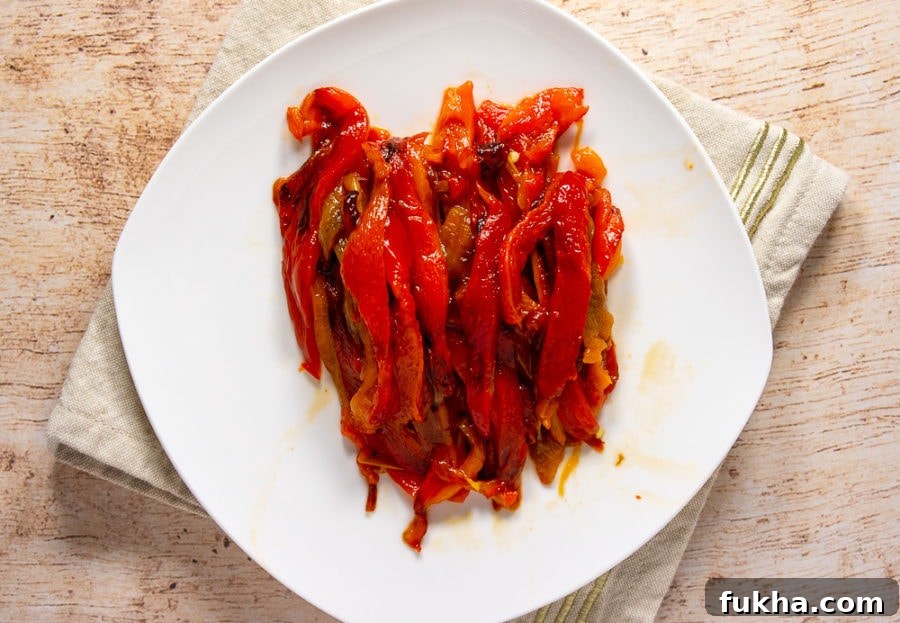
Roasting fresh peppers is simple, rewarding, and a great way to use an abundant harvest or seasonal market finds. Roasted peppers are versatile: add them to sandwiches, mix into pasta for a sweet roasted note, blend into sauces or dips, or use them as a flavorful pantry staple throughout the week.
With a little technique and planning you can roast many varieties—bell peppers, poblanos, jalapeños, and more—and keep them ready to use in the fridge or freezer.
The Process of Roasting a Pepper
Before describing oven, grill, and stovetop methods, here’s the basic process that makes roasted peppers so delicious.
1. Char the exterior. The goal is to blacken the skin while steaming the flesh inside so it softens and releases moisture. Keep peppers whole and unpierced so the interior steams rather than dries out.
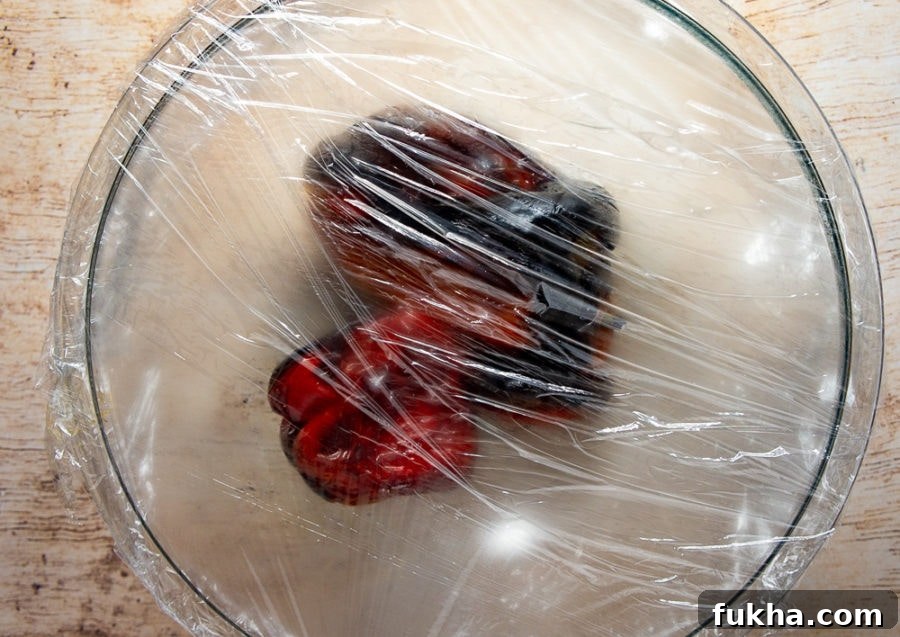
2. Steam to loosen the skin. Once the skin is blistered and the pepper has softened and started to collapse, remove it from the heat and trap steam to loosen the skin. Put peppers in a paper bag or in a bowl covered with a lid, cling film, or a thick towel for 10–20 minutes. When cool enough to handle, proceed to peeling.
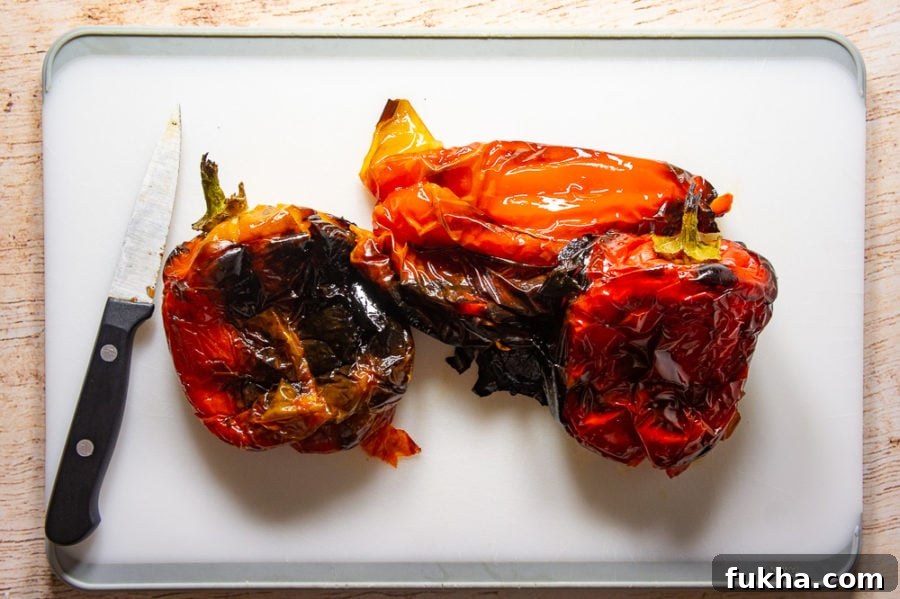
3. Pierce, peel and save the juices. If any peppers are still intact, pierce them while holding them over the bowl to release flavorful juices—reserve that juice for storage or dressings. The skin can be sticky; use a paper towel or kitchen cloth to remove it. Then remove stems and scrape or shake out seeds.
If you’re handling hot peppers, wear gloves or wash your hands thoroughly afterward and avoid touching your face or eyes.
4. Slice, dice, or store whole. Slice into strips, dice, or leave larger sheets if preferred. Store in a clean jar or airtight container in the fridge for up to one week—adding the reserved pepper juices boosts flavor. For longer storage, freeze the roasted peppers in jars, bowls, or reusable bags; they keep best for about 3–6 months.
How to Roast Peppers on the Grill, In the Oven, and On the Stove
All three approaches produce excellent roasted peppers; choose based on convenience and the flavor you want.
- The Stovetop (gas ranges only) — Place whole peppers directly on the grate over an open flame. Turn them every 1–2 minutes until all sides are blackened and the peppers are soft. Watch for juices that may cause small flare-ups; avoid large punctures while cooking.
- The Grill — Roasting peppers on a hot grill adds a pleasant smoky flavor. Place peppers over direct heat and rotate every few minutes until the skin is blistered and the pepper is soft and collapsing.
- The Oven (broiler or high heat) — For a low-effort, hands-off method, use the oven. Use the broiler on high for the fastest charring, or roast at 425°F if you prefer. Lightly rub peppers with a high-heat oil (grapeseed, avocado, or similar) to improve browning. Roast on a hot pan or a broiler-safe pan for about 20–30 minutes, turning every 8–10 minutes until peppers are blistered and very soft.
After any method, the steps are the same: steam the peppers, peel off the skins, remove stems and seeds, then slice and store.
How to Use Roasted Peppers
Roasted peppers are a great make-ahead item. Roast a batch on the weekend and use them throughout the week in many dishes. Sweet varieties (red, yellow, orange, poblano) work well in sandwiches, salads, pastas, and spreads. Spicy varieties (jalapeño, serrano) add heat and complexity to dips, sauces, and salsas.
Ideas for using roasted peppers:
- Blend into an aioli or mayonnaise for sandwiches and fries.
- Toss with avocado, corn, and fresh herbs for a bright salad.
- Make a romesco-style sauce for grilled proteins or vegetables.
- Spoon over ricotta crostini or mix into warm grain bowls.
- Stir into hummus, soups, or pasta sauces for an extra depth of flavor.
FAQ’s
Below are common questions about roasting peppers.
Can I roast yellow, orange, or green bell peppers too?
Yes. Any color of bell pepper can be roasted. Red peppers are generally the sweetest and produce the richest roasted flavor, but other colors roast beautifully and can be used interchangeably depending on your taste.
What types of peppers can be roasted?
Most sweet and hot peppers can be roasted using these methods. Smaller peppers roast faster; the skin behavior and sweetness will vary by variety, but the overall technique is the same.
Can I trim and seed them before roasting?
You can remove stems and seeds before roasting if you plan to use the oven method and want smaller pieces. However, keeping peppers whole helps trap juices and steam, and the whole-roasted juices add flavor to storage. For stovetop or direct-flame roasting, whole peppers are easier and safer to manage.
Is it possible to can roasted peppers?
Roasted peppers alone are low-acid foods. Safe home canning requires either adding enough acid (pickling) or using a pressure canner. If you plan to preserve roasted peppers long-term by canning, follow tested pressure-canning or pickling guidelines from reliable sources.
If you enjoy roasted peppers, practice different methods and pepper varieties to find your favorite. Once you get the hang of it, roasting peppers becomes one of the most useful prep tasks for the kitchen.
How to Roast Peppers
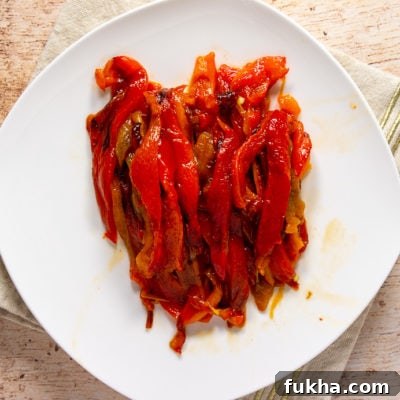
A simple guide to roasting sweet or spicy peppers on the stove, grill, or in the oven.
Author: Mikayla M.
Cook Time: 40 mins | Peeling & Seeding: 15 mins | Total Time: 55 mins
Servings: 8 | Calories: 18 kcal (per serving)
Ingredients
- 4 Red Bell Peppers (or peppers of choice)
Optional for oven method
- 1 tablespoon high-heat oil (grapeseed, avocado, or similar)
Instructions
Oven Method
- Preheat the broiler on high and line a broiler-safe pan with foil or use a hot oven at 425°F.
- If using the oven, rub the peppers lightly with oil and place on the pan.
- Broil or roast for 20–30 minutes, turning every 8–10 minutes, until the skin is blistered, blackened, and the peppers are soft and starting to collapse.
Stove Top Method (Gas Ranges Only)
- Place whole peppers on the grate above an open flame. Turn frequently until well roasted and soft. Be cautious—piercing peppers while cooking can cause juices to flare.
Grill Method
- Place peppers over direct heat and roast, turning every 5 minutes or so, until blackened and soft.
Prepping Peppers for Use & Storage
- Transfer charred peppers to a bowl and cover to steam for 15–20 minutes.
- Remove the cover, slice into each pepper over the bowl, and let the juices drain into the bowl; reserve the juices for storage or sauces.
- Transfer to a cutting board and peel off the skin using paper towels or gloves. Remove stems and scrape out seeds.
- Slice or dice as desired. Store in the fridge for up to one week (add reserved juices for flavor) or freeze for up to six months.
Notes
Any variety of sweet or spicy pepper can be used; size and shape affect roasting time. Wear gloves when handling hot peppers to avoid skin and eye irritation.
Nutrition (approx. per serving)
Calories: 18 kcal | Carbohydrates: 4 g | Protein: 1 g | Fat: 1 g | Fiber: 1 g | Vitamin C: 76 mg