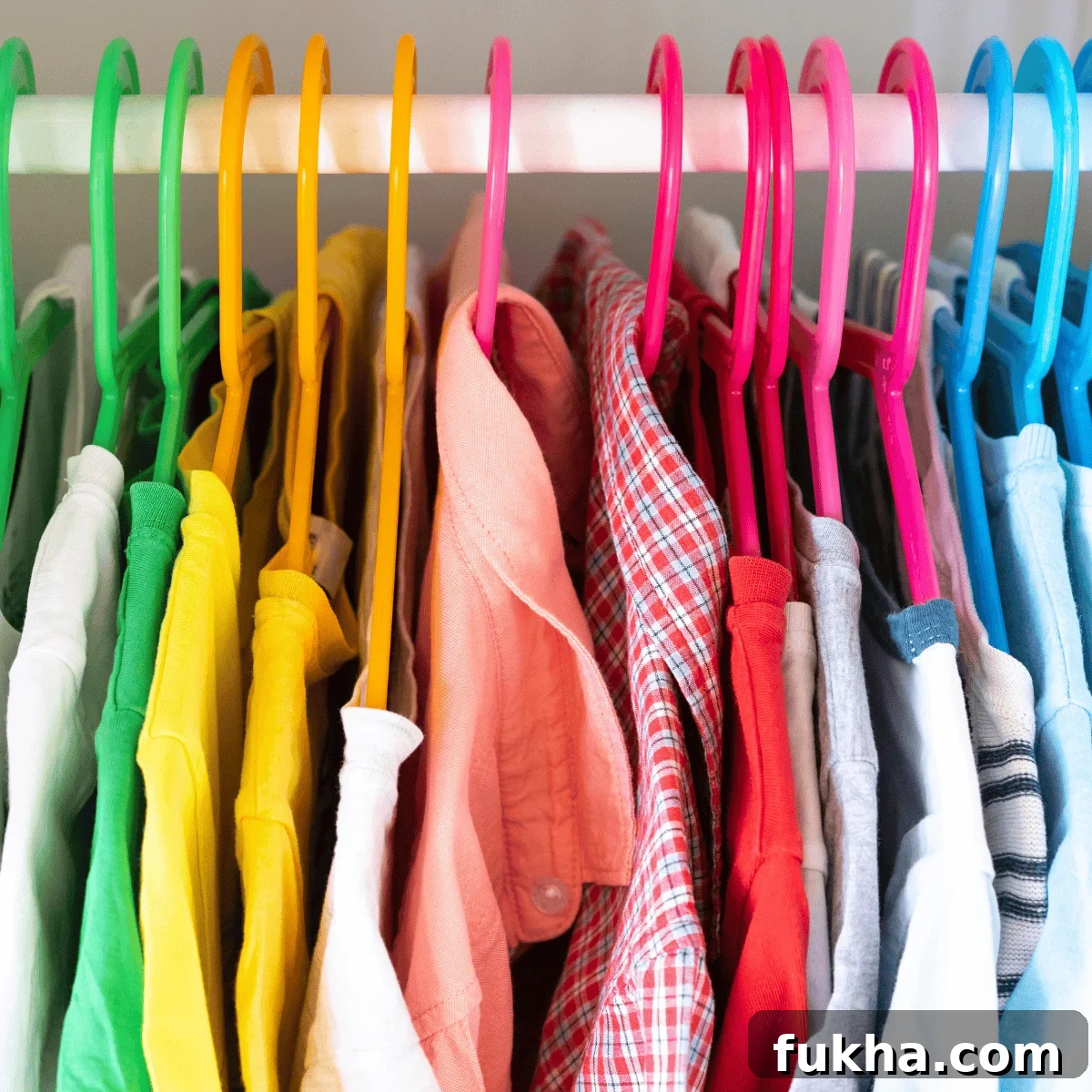
As a mom of eight, I developed a simple system to store and organize my kids’ clothes. This approach makes swapping seasonal wardrobes fast and stress-free—often in just minutes.
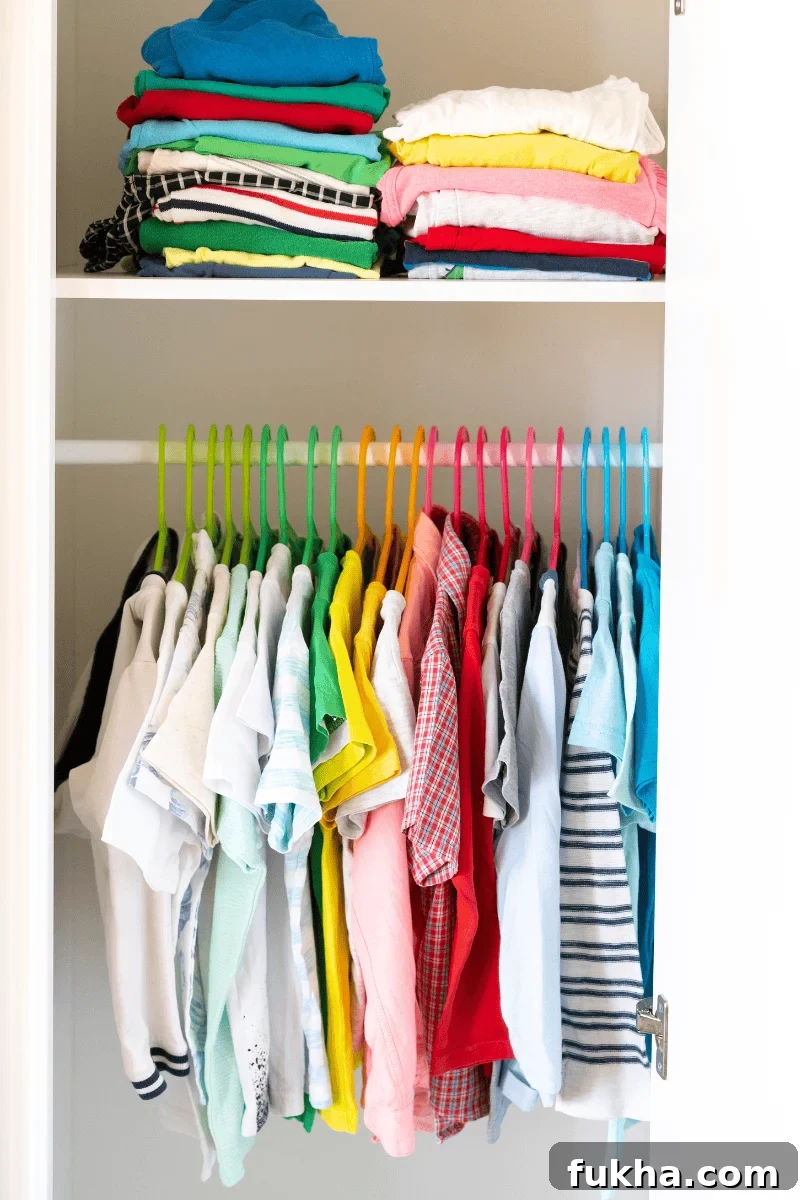
How can you store and organize your kids’ clothes so they don’t take over your home? The key is simplicity. You don’t need expensive systems or endless labels—just a straightforward plan that keeps clothing sorted into a few easy-to-access places.
Keep it simple and consistent.
With eight children, limited closet space, and constant growth spurts, I rely on a repeatable routine that works even in small homes. If it works for my family, it can work for yours.
Seasonal and Hand-Me-Down Storage Made Simple
Steps to store and organize your kids’ clothes:
- Declutter
- Sort
- Store
Categories of kids’ clothes to store and organize for each child:
- Clothes and shoes that fit right now for the current season
- Clothes and shoes they will fit into in the next year or two
- Clothes and shoes that no longer fit
What Supplies You Will Need to Store and Organize Your Kids’ Clothes
For each child you will need:
- Two storage totes (18-gallon totes work well)
- One small bin (about 14″ x 14″)
- A permanent marker
- Labels (optional)
- Some closet space for hanging items and 1–2 dresser drawers
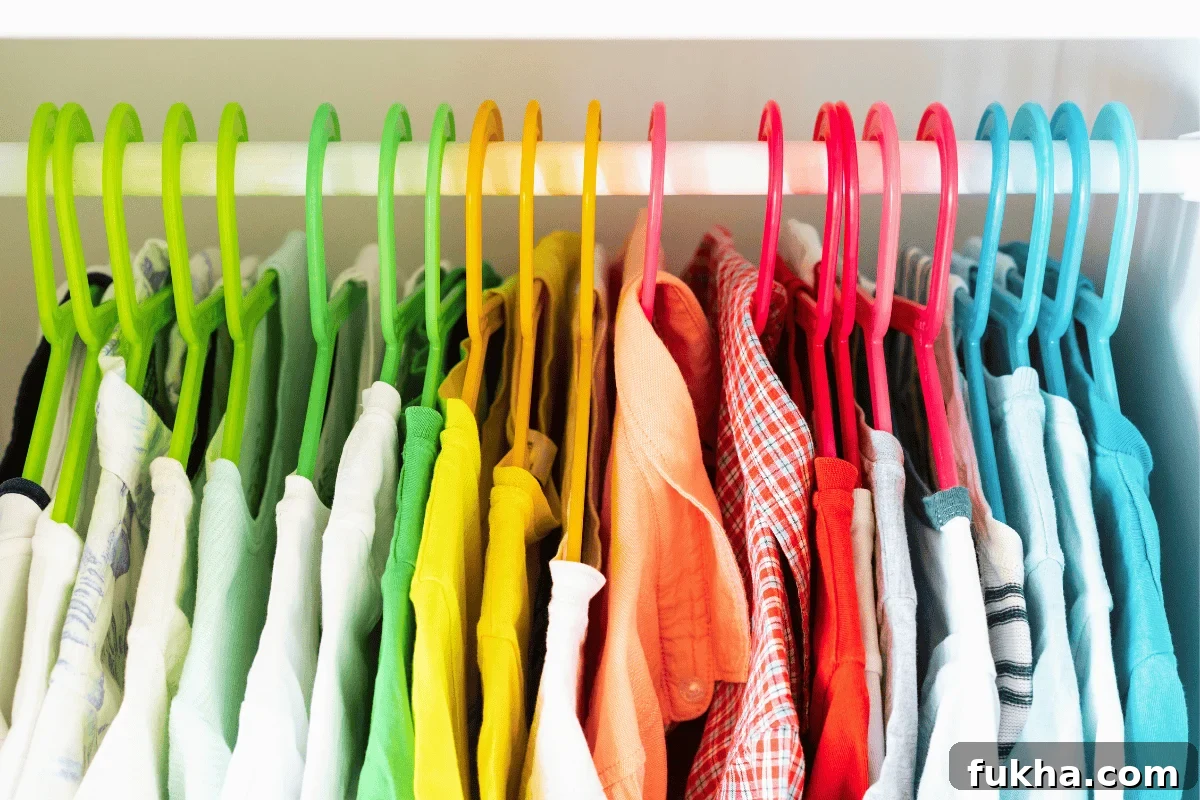
Declutter What Clothes You Don’t Need
Decluttering is the most important, and often the hardest, step. Limiting the volume of clothes saves storage space, reduces overwhelm, and helps you shop more intentionally. I use a capsule wardrobe approach so we keep only what we truly need and invest in better-quality pieces that last.
Why create a minimal/capsule wardrobe for your kids
- Less laundry
- Less time spent tracking clothing
- Frees up space in your home
- Helps you stay on budget by limiting impulse buys
- Hand-me-downs are easier to manage
- You can buy higher-quality items that last through multiple children
If you want a starting checklist for a kids’ capsule wardrobe, look for printable resources that walk you through essentials by season and size.
How Do You Sort Kids’ Clothes?
Step #1: Gather All the Kids’ Clothing in One Place
Collect every item of children’s clothing from the house—drawers, closets, laundry baskets. Seeing everything together gives you an accurate picture of what you own and makes decisions easier.
Step #2: Divide Clothes by Gender and Size
Sort into clear piles like “girl size 3T” or “boy size 24 months.” Do the same for shoes. This is a good time to decide what to keep, what to donate, and what should go into a next-size-up bin.
Step #3: Create a “Next Size Up” Bin for Each Child
Give each child a bin for sizes they will grow into. Younger children usually need more sizes stored, while older kids may only need one size. You can often fit two to three sizes in each bin, including off-season items.
For example, my four-year-old’s next-size-up bin contains sizes 5 and 6, plus some 4T items that are currently off season.
Step #4: Store Clothes That Fit Right Now
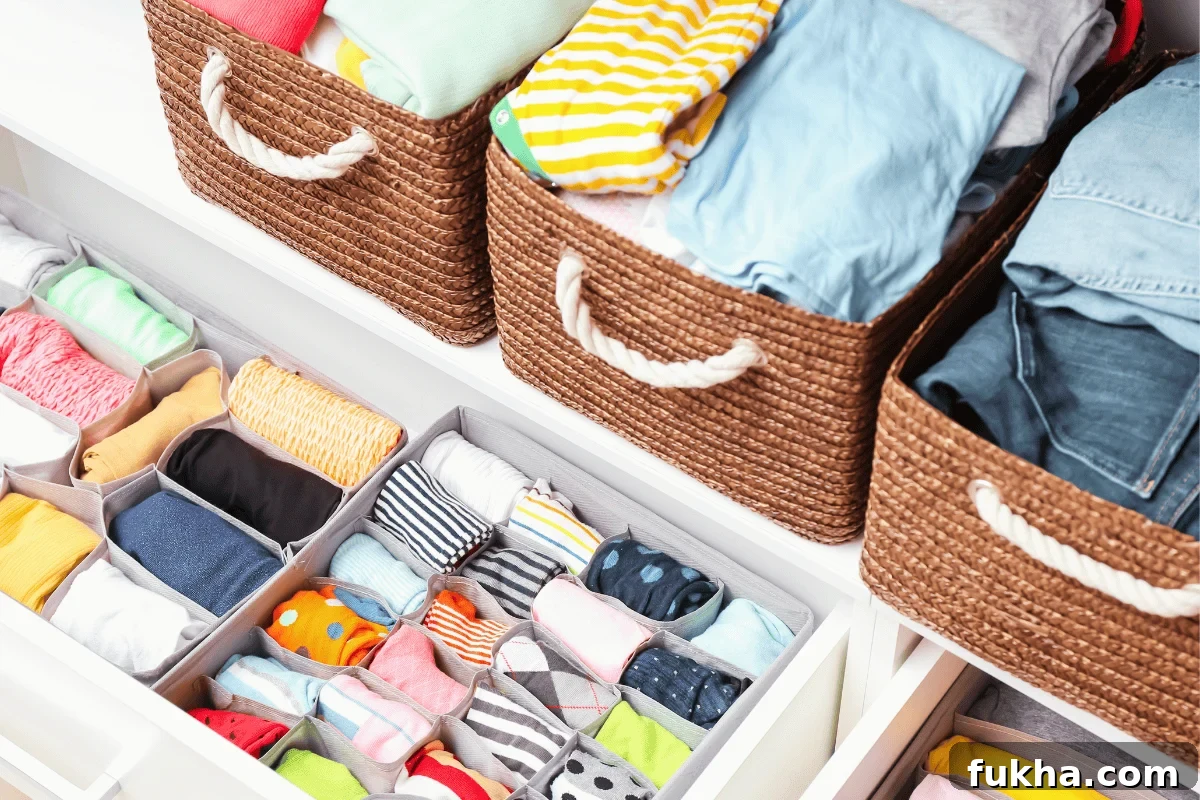
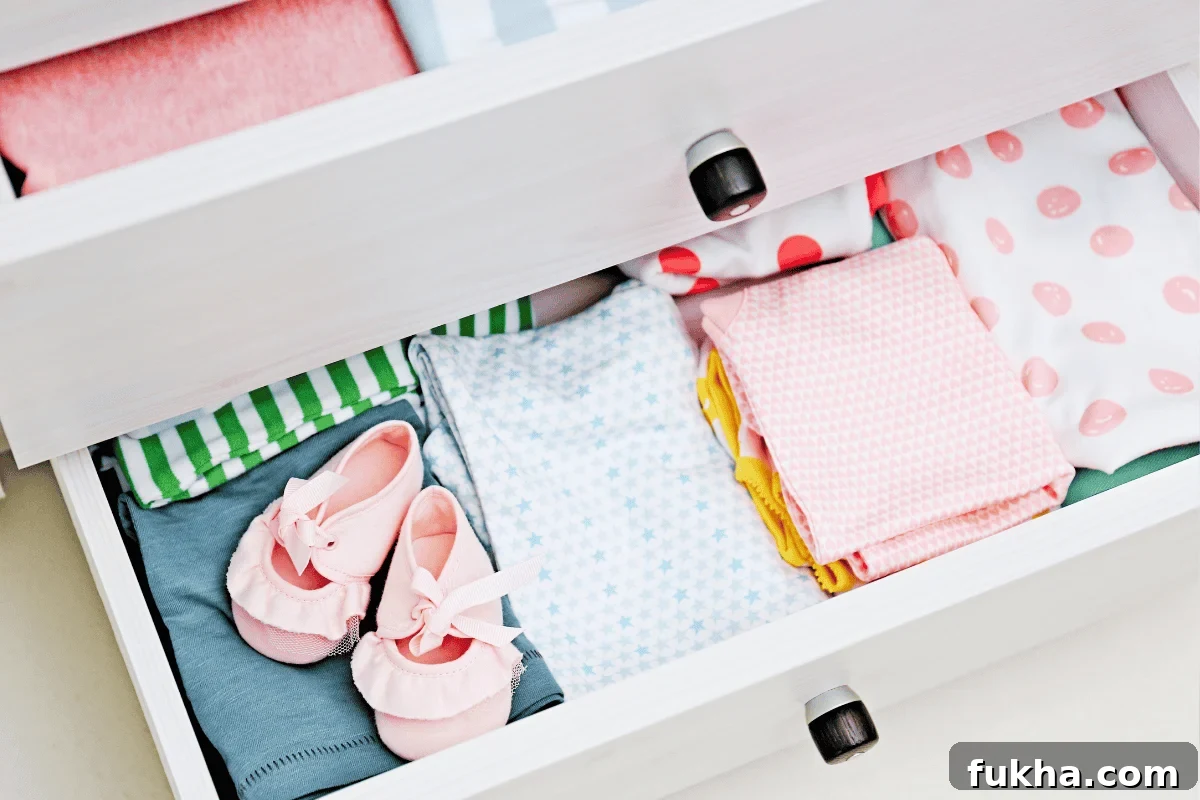
Current-season clothing should be hung in the closet or placed in one to two dresser drawers. If space is tight, kids can share closets or dressers, and shallow under-bed bins are a practical alternative to dressers. Drawer organizers help maximize limited drawer space.
Step #5: Store Outgrown Clothes or Donate
Use another labeled bin for items each child has outgrown. If you plan to keep some outgrown clothing for future children, consolidate it into as few bins as possible. Set a limit on how many outgrown bins you’ll store to avoid clutter.
If you’re not keeping outgrown items, donate them to a local charity, give them to family or friends who can use them, or sell them at consignment events. Be thoughtful about who will actually use the donation so items don’t end up unwanted.
Step #6: Sort Shoes and Coats
I store shoes similarly to clothes: a small bin in each child’s closet holds next-size-up and off-season shoes. Everyday shoes live in the mudroom or entryway, while less-used pairs stay in bedrooms or closet floors for easy access.
Outgrown shoes that won’t be reused are kept together in a larger tub in the basement or under a bed. For coats, keep the ones your kids will wear next winter in their closets during summer so you can check sizes before buying more. Outgrown coats you want to keep can be stored in a large bin in a basement or another out-of-the-way spot.
How Should I Store and Organize My Kid’s Clothes?
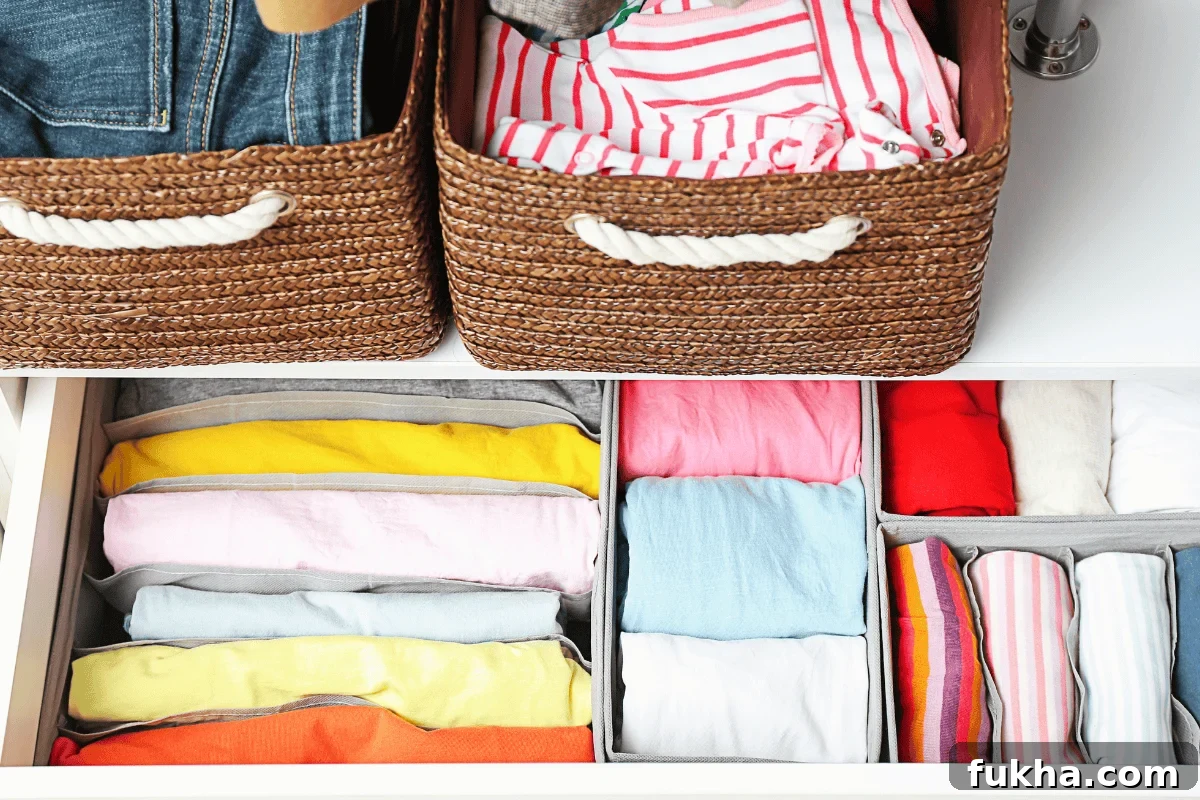
After sorting, place items where they belong so they stay organized and easy to find:
- Current-season clothing: hang in the closet and store in 1–2 dresser drawers; use under-bed bins if needed.
- Daily shoes: keep in an entryway or hall closet; less-used shoes can stay in bedrooms.
- Next-size-up bins: store in each child’s closet for quick access during season or size changes.
- Next-size-up shoe bins: keep in the closet or under the bed, out of reach if needed.
- Long-term outgrown items: seal in bins and store in the basement, garage, or under beds.
- Seasonal coats: keep next-winter coats accessible in summer; store outgrown coats in a large bin.
How This Storage System Works
Children rarely outgrow an entire size at once, and brands vary in sizing. Without a system, outgrown items often end up scattered around the house. With dedicated bins and a simple routine, you can file items away immediately—no extra sorting later.
My routine: wash the outgrown item, then place it either in a younger sibling’s next-size-up bin or the labeled outgrown bin. Because the bins are easy to reach, it only takes minutes to put things away correctly, and I always know where to look when I need something.
We use the same approach for clothes we receive as gifts or hand-me-downs: sort, assign to the proper bin, and store.
Swapping Seasons Made Easy
Changing wardrobes between summer and winter becomes quick and painless. Pull the next-size-up bin from the closet, restock drawers with the right sizes and seasonal pieces, and put off-season items into either the outgrown bin or the next-size-up bin depending on fit.
Getting kids involved makes the process faster and helps them learn to care for their belongings.
More Organizing and Decluttering Posts
- How to Declutter and Organize Your Small Bathroom
- How to Create a Kid’s Capsule Wardrobe {Free Printable Checklist}
- Decluttering Kids’ Toys
- Minimalist Baby Capsule Wardrobe