My fiancé’s sister teaches elementary school in Seattle. She told us her students had a lot of questions about our move from Portland, OR to Cape Town, South Africa. Below are the questions they asked and our answers, written by both of us. They asked thoughtful questions — the last one is our favorite.
How is daily life in South Africa different from here?
Daily life in Cape Town differs in many small and large ways. Time can feel more relaxed: phrases like “just now” often mean “in a little while,” whereas “right now” still means immediately. People drive on the left side of the road and driving tends to be more assertive. Practical differences show up everywhere — typical pizza isn’t the same as back home, and electricity is purchased at the grocery store and conserved because outages can occur when supply is limited. One of the biggest adjustments for us has been the slow and sometimes unreliable internet, which affects work and keeping in touch.
Although English is widely spoken, many place names and signs are in Afrikaans and other local languages, which can be tricky to pronounce at first. Household words are different too: ketchup is often called tomato sauce, tomato sauce can mean tomato puree, a barbecue is a “braai,” and a sausage called boerewors is common. On the positive side, the weather is usually mild — “cold” often means around 65°F with wind — and the slower pace invites you to enjoy restaurants, beaches, and outdoor life more. The U.S. dollar goes farther here, and there are always new things to try, from hiking and beaches to festivals and wildlife outings.
Do they have any unusual foods?
South African cuisine offers many ingredients and dishes that are less common in the U.S. We’ve tried ostrich and springbok (similar to venison), and menus sometimes list warthog or crocodile. Popular local fish include hake (pronounced “hayk”), linefish, and snoek. Fruits and vegetables are abundant and varied — cape gooseberries, dragon fruit, litchis, baby marrows (small squash), plenty of mangoes and avocados. A staple is maize meal, known as “pap,” similar to grits. South African food reflects Dutch, Malay, British, and many African influences, which makes eating here exciting and diverse.
What are the animals like there? Have you seen any wild animals?
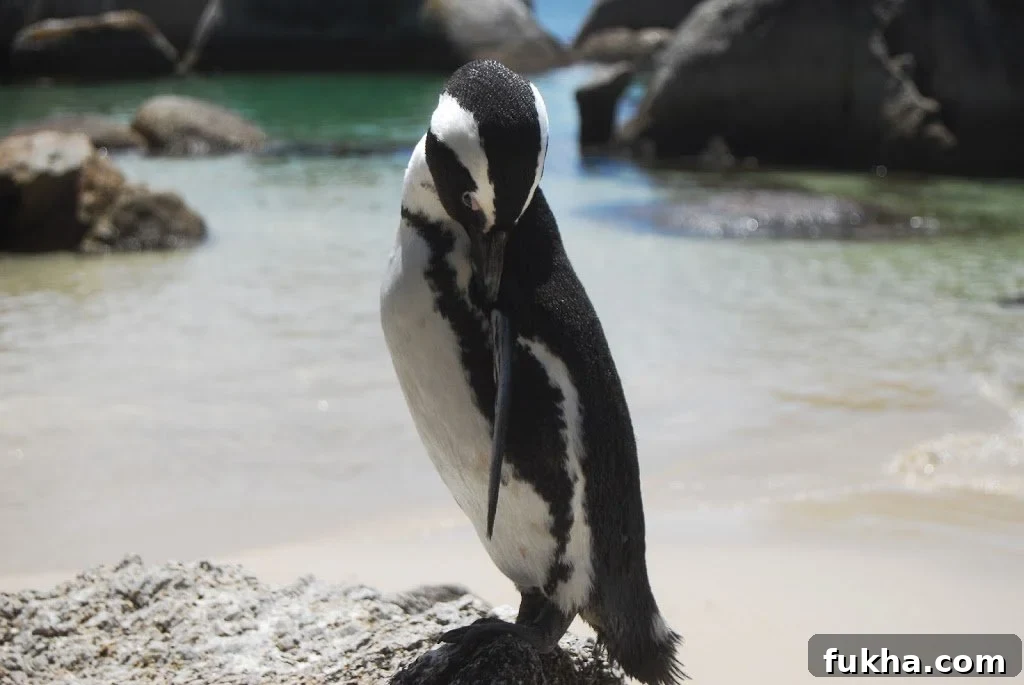
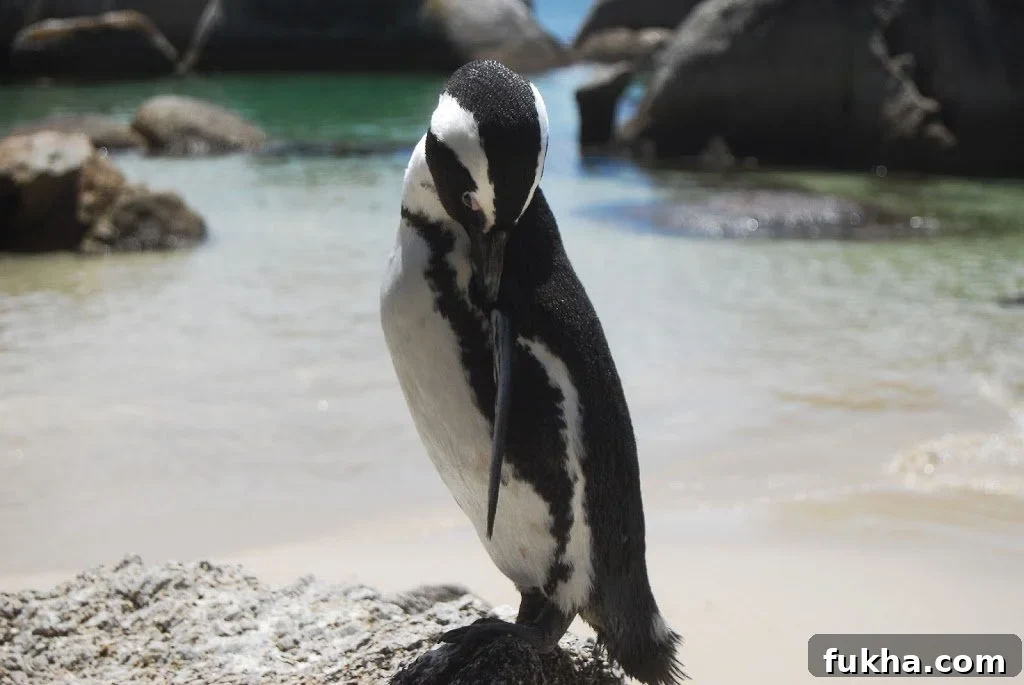
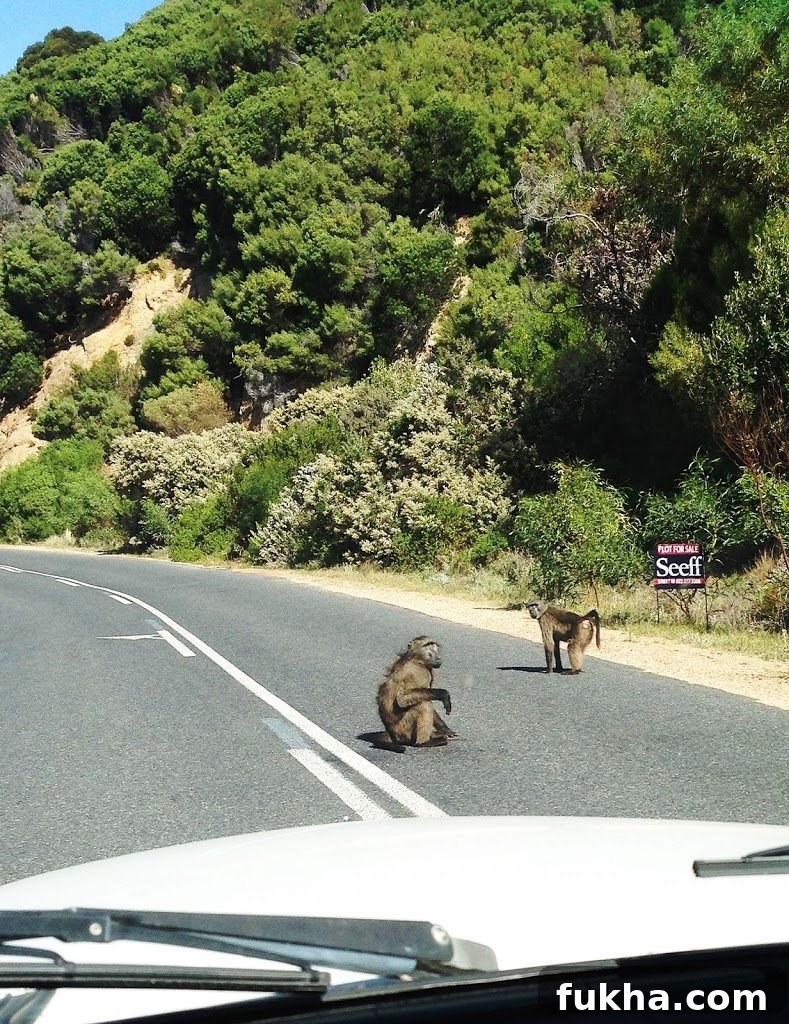
The wildlife has been a highlight. A nearby beach is home to African penguins that mingle with beachgoers — a delight to see in a warm setting. While driving, we’ve paused to let baboons cross the road; hiking areas often have warning signs about baboons and advise not to feed them. Encountering wildlife casually is one of the memorable parts of living here.
What are the houses like?
Many homes in and around our neighborhood reflect Cape Dutch architecture: white, plastered walls with decorative details and solid construction. A well-known area, Bo-Kaap, stands out for its brightly painted houses and Cape Malay cultural heritage. Not far from the city center you’ll also find townships — densely populated urban areas with limited infrastructure, a visible legacy of South Africa’s history of segregation and unequal development. These contrasts between vibrant historic neighborhoods and under-resourced townships are an important part of the city’s social landscape.
What is the culture like?
South Africa is extremely diverse. It has 11 official languages and a wide range of cultural traditions rather than a single national culture. Languages with strong roots in southern Africa include Xhosa, Zulu, Sotho and Tswana, while Afrikaans and English reflect European influences. That cultural variety — seen in food, music, religious life, and community traditions — is one of the country’s defining strengths.
What is the coolest thing you have seen since living there?
Chelsea: Standing on top of Table Mountain and looking down on Cape Town is the most striking experience I’ve had here. Table Mountain’s flat summit gives a unique perspective on the city and coastline. The cableway up the mountain brings you into a landscape filled with lizards, fynbos flowers, and birds — seeing the city from that dramatic vantage point was unforgettable. The penguins remain a close second.
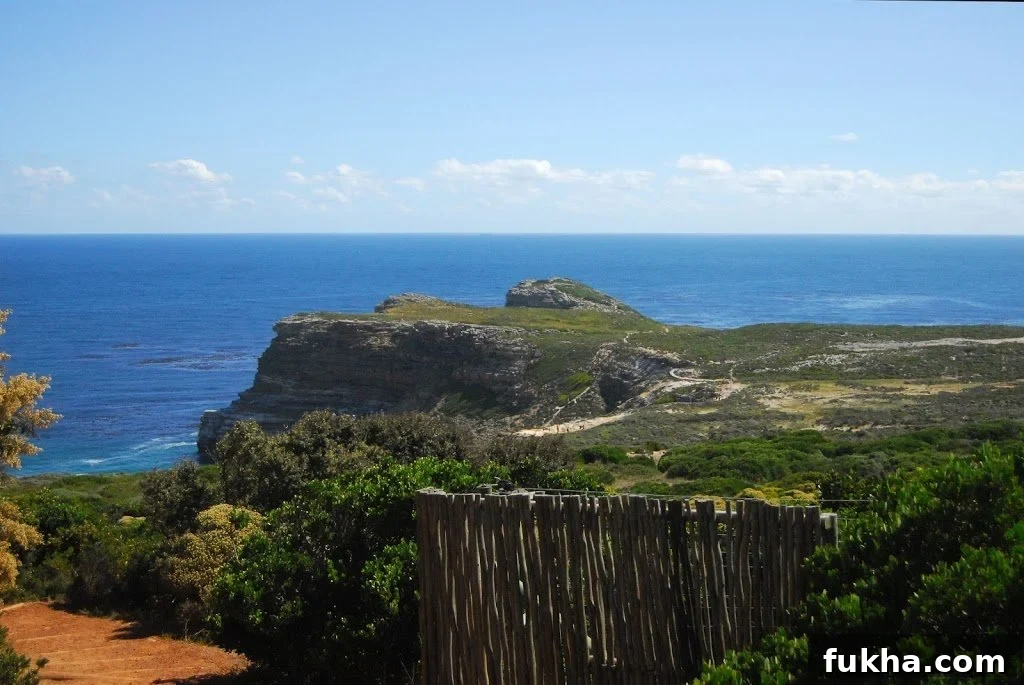
Fiancé: Cape Town sits on the Cape Peninsula at Africa’s southwestern edge. Visiting the very tip of the peninsula and being surrounded by ocean was a powerful moment — knowing there was nothing but water between me and the South Pole was thrilling. Seeing penguins and baboons in the wild added to the sense of adventure.
What do you miss most about the U.S.?
Chelsea: Beyond family and friends, I miss reliable high-speed internet. We’ve experienced brief outages and very slow service that makes video calls and streaming difficult, which is frustrating when that’s our main way to stay connected. I also miss the breadth of television programming; local channels are limited and often show content in other languages or genres we don’t follow. Because I blog full time, the internet constraints have been the hardest adjustment.
Fiancé: I miss my family and friends the most. I also miss catching Portland Trail Blazers games live, but following game updates online will have to do for now.
What is the money called?
The currency in South Africa is the rand, shown like this: R17.99. Roughly 10 rand equals one U.S. dollar, though exchange rates change. South African banknotes feature a portrait of Nelson Mandela on the front and images of the “Big Five” animals — lion, leopard, Cape buffalo, rhino and elephant — on the back.

What is the government like?
South Africa’s government is organized differently from the U.S. It functions largely as a unitary state, with most authority concentrated at the national level, whereas the U.S. uses a federal system that shares power with states. National elections use proportional representation: voters choose parties, parliament seats are allocated according to each party’s share of the vote, and the parliament elects the president. This system results in multiple parties being represented in parliament.
Are there different jobs?
Many jobs are similar to those in the U.S., but some occupations are more common due to local needs. For example, private security is very visible — many properties and parking areas have guards, including “car guards” who watch cars and help drivers park in exchange for a tip. Private game reserves also employ people to protect wildlife and manage conservation efforts, so conservation and tourism-related jobs are more prominent here than you might see at home.
Are the schools like schools here?
Primary and secondary schools differ in some ways. Many schools are single-sex and require uniforms. Outside major cities, some schools are under-resourced and need repairs; a few lack reliable access to toilets and other facilities. These disparities reflect broader social and economic challenges.
Do they play different sports?
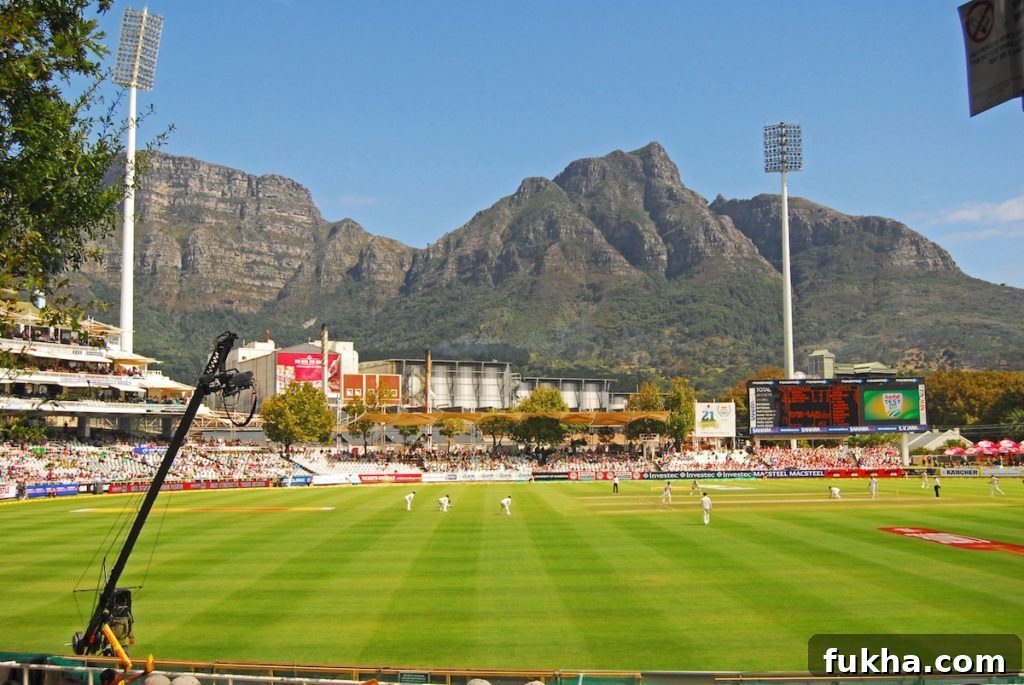
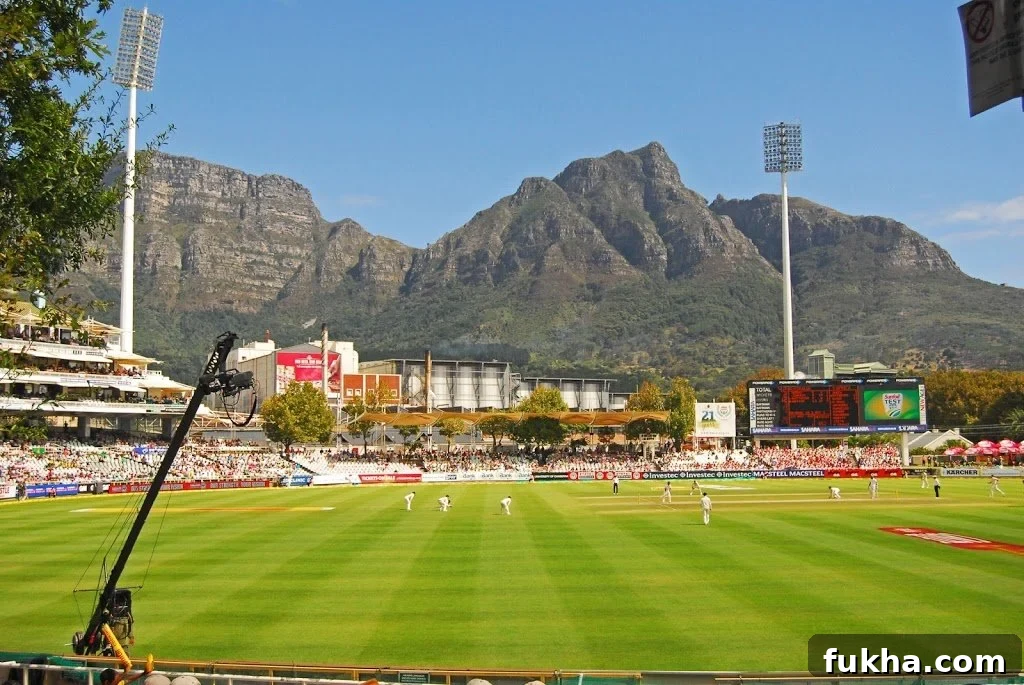
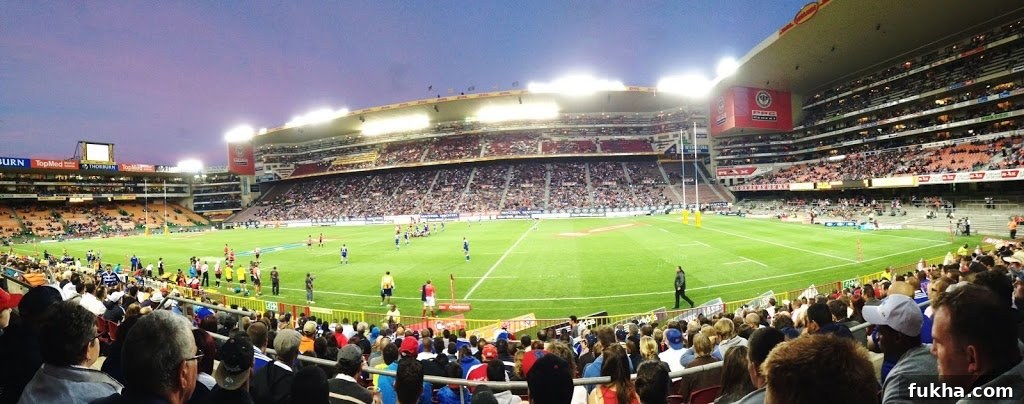
Popular sports here are soccer, rugby, and cricket rather than professional American football or basketball. Cricket resembles a distant cousin of baseball, while rugby combines elements of soccer and American football. We’ve attended both rugby and cricket matches and experienced how passionately South Africans support their teams.
What pets do people have?
People here keep many of the same pets as in the U.S., mostly cats and dogs. We haven’t encountered many exotic pets so far.
Did you watch the Seahawks win the Superbowl?
We missed watching the Seahawks win the Super Bowl live. We had just arrived in Cape Town and didn’t yet have internet set up, and the game wasn’t shown on local TV. We read about the victory and saw plenty of photos afterward, though — it was exciting to catch up on what happened.