This post originally appeared as a guest post on the Attune Foods blog.
When I was a child, a large cookbook sat on my mother’s kitchen shelf: The Joy of Cooking. That book’s name fascinated me, and it became my trusted reference whenever I wanted to try something new in the kitchen, even for something as simple as making perfect hard‑boiled eggs. The Joy of Cooking has been around for decades, and the confident, inviting title spoke to me long before I knew much about technique or tradition.
Although the book was first published during the Great Depression, its title still rings true today. Even in hectic times, cooking can be a source of real pleasure. It need not be another item on a long to‑do list; instead it can become a way to slow down, produce something tangible, and enjoy the process as much as the result.
Modern life seems designed to keep us moving at full speed. Ask someone how they are, and “Busy!” is often the immediate answer. Deadlines, meetings, social media, and endless notifications fill our days. We have many ways to consume time—watching television, scrolling feeds, or chasing the next online update—and those activities can crowd out anything that requires a slower, more deliberate pace.
For many people, cooking has been relegated to a chore similar to vacuuming or paying bills. It’s seen as a necessary routine: get dinner on the table as quickly as possible so you can get back to the rest of your life. Grocery shopping becomes a box to check, and meal preparation is reduced to following recipes on autopilot or relying on convenience foods.
I disagree with that perspective. Cooking is an act of creation. It transforms basic ingredients into something new and nourishing. When you prepare a meal from scratch you are engaging directly with food—the textures, the smells, the simple arithmetic of flavors. There is satisfaction in measuring and mixing, tasting and adjusting, and finally sitting down to enjoy the result. That sense of accomplishment is quietly powerful: “I made this,” you can say, and mean it.
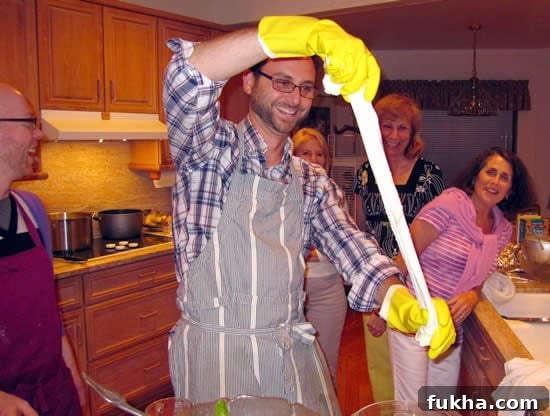
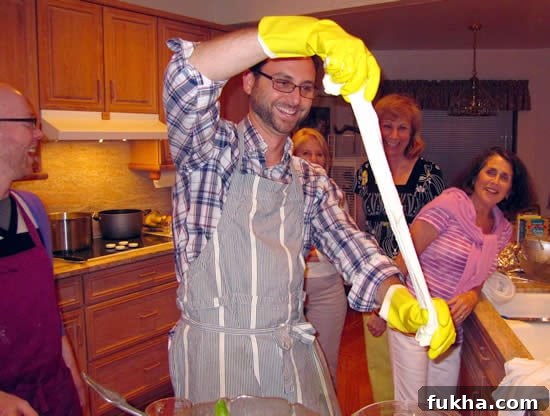
Cooking can also connect us to other pleasures: choosing produce at a market, learning from friends and family, or sharing a meal with loved ones. Picking out fresh fruits and vegetables, asking a vendor about a seasonal variety, or tasting a newly ripened tomato can spark joy that extends beyond the plate. Preparing food with others—chopping, stirring, passing bowls—turns a task into a social ritual and reinforces relationships.
We all have the same number of hours in a day. What changes is how we decide to use them. It’s easy to fill spare moments with passive entertainment, but those activities rarely leave a lasting sense of fulfillment. By contrast, investing time in cooking yields immediate rewards: a warm meal, the knowledge you made it, and often the company of others who appreciate your effort.
You don’t need to cook elaborate dishes every night to enjoy these benefits. Simple, thoughtful preparation—roasting vegetables, simmering a pot of soup, or assembling a fresh salad—offers plenty of opportunity for creativity and care. Small rituals, like kneading dough or watching a sauce reduce, invite mindfulness. These moments can be calming and restorative, giving you a break from the rush while providing something delicious to share.
Cooking is also a way to preserve and pass on memories. Recipes carry stories: a grandmother’s technique, a family favorite served at holidays, or a friend’s twist on a classic. Recreating those dishes keeps traditions alive and deepens our sense of belonging. Teaching someone else to cook is another form of passing along meaning and skill.
In short, cooking can be more than a chore. It is an opportunity to create, to connect, and to find pleasure in everyday life. If you feel overwhelmed by busyness, try carving out small, intentional pockets of time for food preparation. You may discover that the work involved is rewarded many times over by the simple joy of a homemade meal.