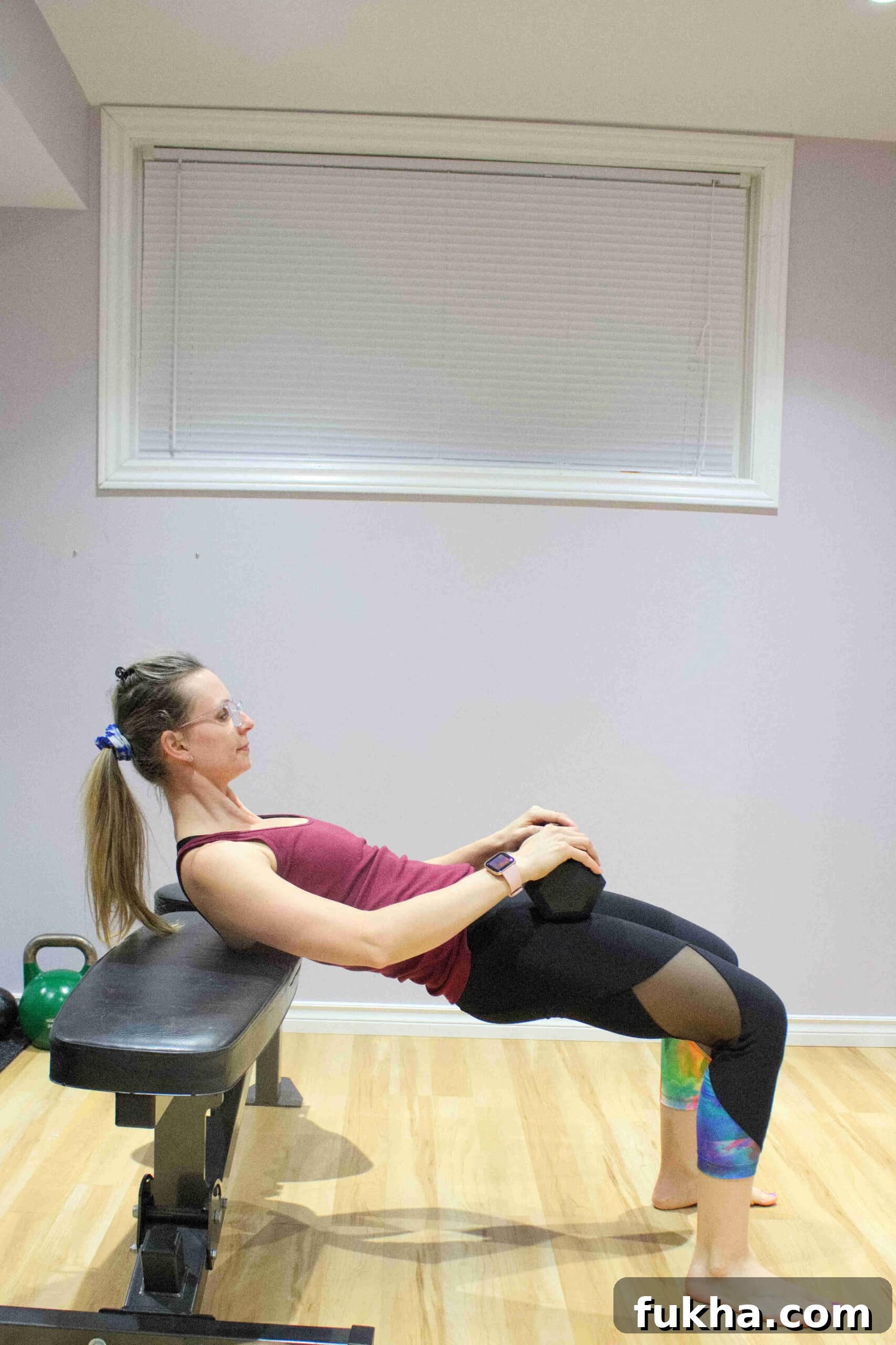
Beginner-friendly and low-impact, these hip dominant exercises place extra emphasis on the glutes and hamstrings. Because the glutes are among the largest muscles in the body, strengthening them with these six movements can improve posture, enhance athletic performance, and help reduce lower back pain.
“Love how detailed this is. I am new to exercising without an instructor, so really need things spelled out to me like a baby, and this was perfect!” -Donna
Include these hip dominant moves in your routine to target the posterior chain and build stronger, more functional glutes.
Hip dominant exercises emphasize hinging at the hips—think of learning a solid hip hinge—so the glutes and hamstrings drive the movement. Unlike knee-dominant movements such as some squat variations, hip-dominant work teaches you to produce power from the back of the body.
These exercises target all three gluteal muscles, not just the gluteus maximus. Most can be done at home with minimal equipment, making them ideal for beginners and busy people looking for efficient, low-impact training.
Hip Dominant vs Glute Dominant Exercises
Hip dominant movements rely on hip extension—driven by the glutes and hamstrings—while glute dominant exercises place more direct, focused tension on the glute muscles themselves. Both types are valuable: hip-dominant work builds strength and functional movement patterns, and glute-dominant work isolates and shapes the glutes.
The Exercises To Implement
- Glute bridges
- Hip thrusts
- Deadlifts (and variations)
- Pull-throughs
- Kneeling squats
- Quadruped hip extensions
- Bulgarian split squats
Scroll down to learn how to perform each exercise and how to use them to grow stronger glutes.
Benefits Of Strong Glutes
Many people under-activate their glutes. Prioritizing hip-dominant work can make everyday movement easier and safer.
Benefits of strong glutes include:
- Easier daily activities like carrying and lifting
- Reduced knee pain through better alignment and control
- Less lower back pain by sharing load with the hips
- Improved pelvic stability during and after pregnancy
- Better athletic performance for running, jumping, and climbing
- Improved posture as part of a stronger posterior chain
- Support for pelvic floor function
Strong glutes help in all these areas. Many people skip hip-dominant training and miss potential gains—make it a priority for balanced strength.
The Best Hip Dominant Exercises
Start with bodyweight variations until you master the movement. As you progress, add resistance with bands, dumbbells, or other equipment to build strength faster. These exercises are designed to help you feel the glutes working; if you don’t feel them, focus on form and muscle engagement rather than speed or load.
You can use these exercises in circuits, as finishers, or as part of a full workout. Aim for consistent practice and progressively increase difficulty.
Exercise #1: Glute Bridge
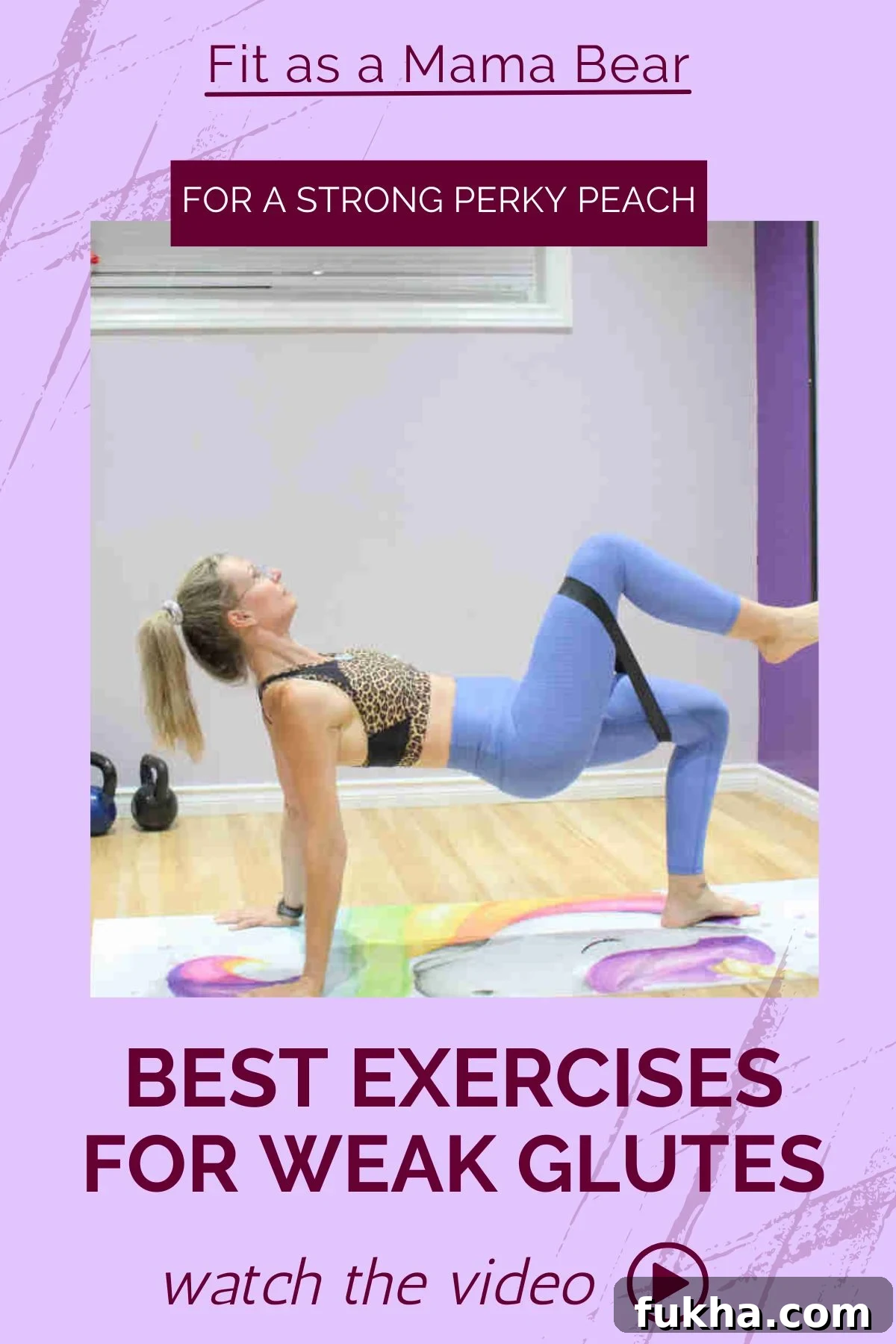
The glute bridge is a fundamental hip hinge movement. Work toward a full hip extension and a deliberate squeeze at the top while avoiding low back arching. Keep weight through the heels and feet slightly wider than hip-width for better glute activation. Add a mini-band above the knees to increase tension and drive your knees outward for more engagement.
How to perform glute bridges:
- Lie on your back with knees bent and feet close to your hips, shoulder-width apart.
- Press through your heels, lift the hips, and squeeze the glutes at the top without overextending the lower back.
- Pause for one second with a strong squeeze, then lower with control to the starting position.
Repetitions: 8–25 per set, depending on load and conditioning.
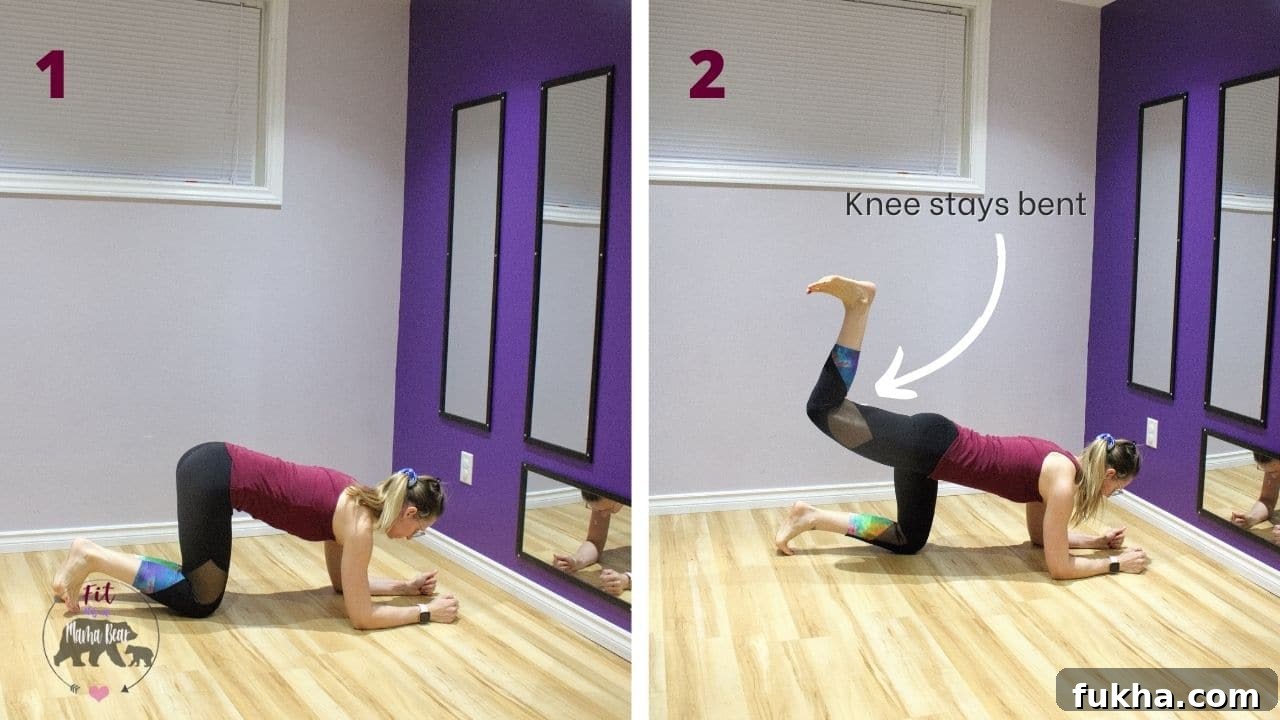
Exercise #2: Quadruped Hip Extensions
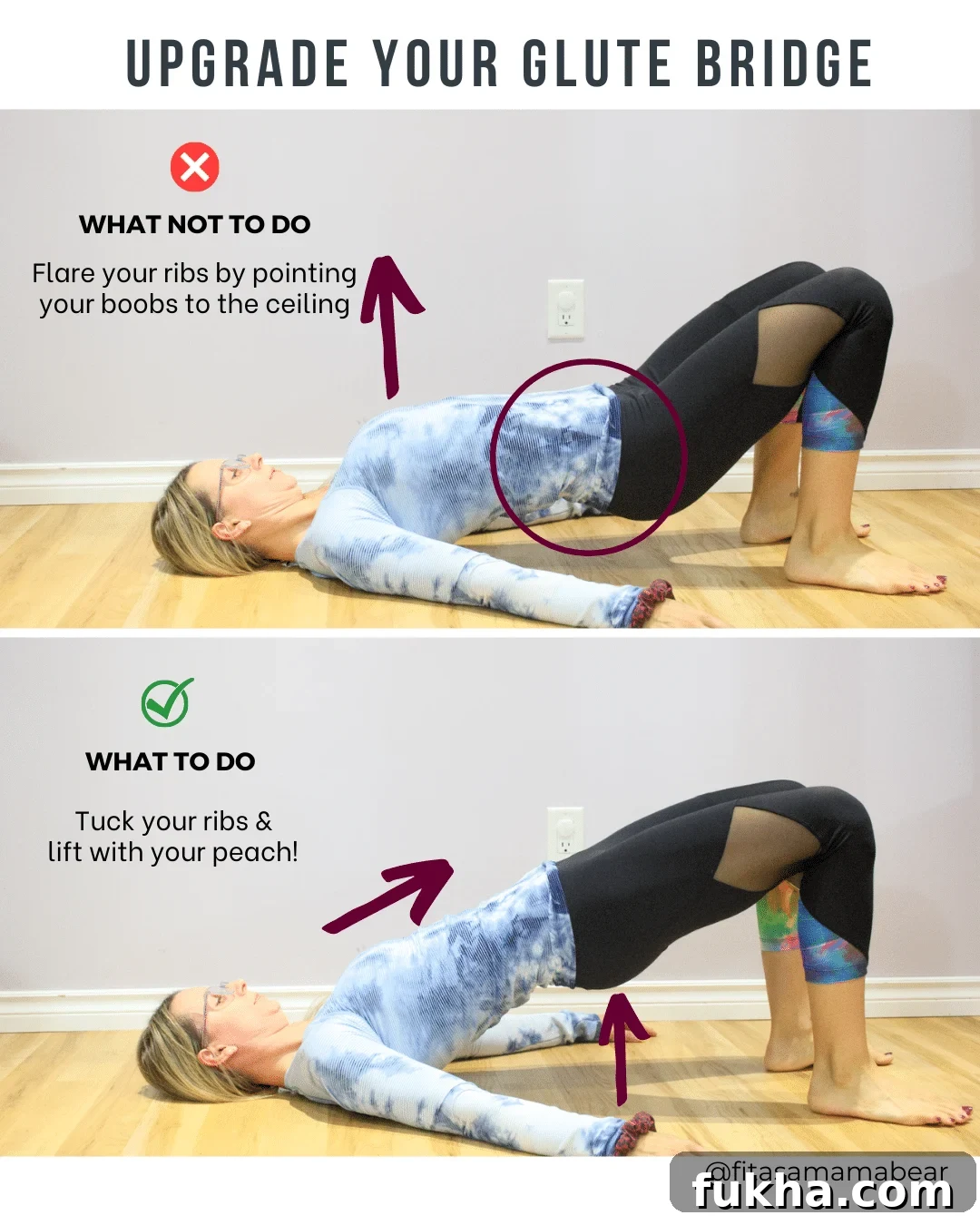
This bodyweight move isolates hip extension and helps teach spinal neutrality while the leg moves. Maintain a strong core, keep the working knee bent at 90 degrees, and flex the foot. Avoid arching the lower back and focus on squeezing the glute rather than lifting the leg excessively high.
How to perform quadruped hip extensions:
- Start on all fours in a tabletop position.
- With the knee bent, lift the foot toward the ceiling by driving the hip into extension while keeping the core stable.
- Lower with control, releasing the tension in the glute before repeating.
Repetitions: 8–12 per leg.
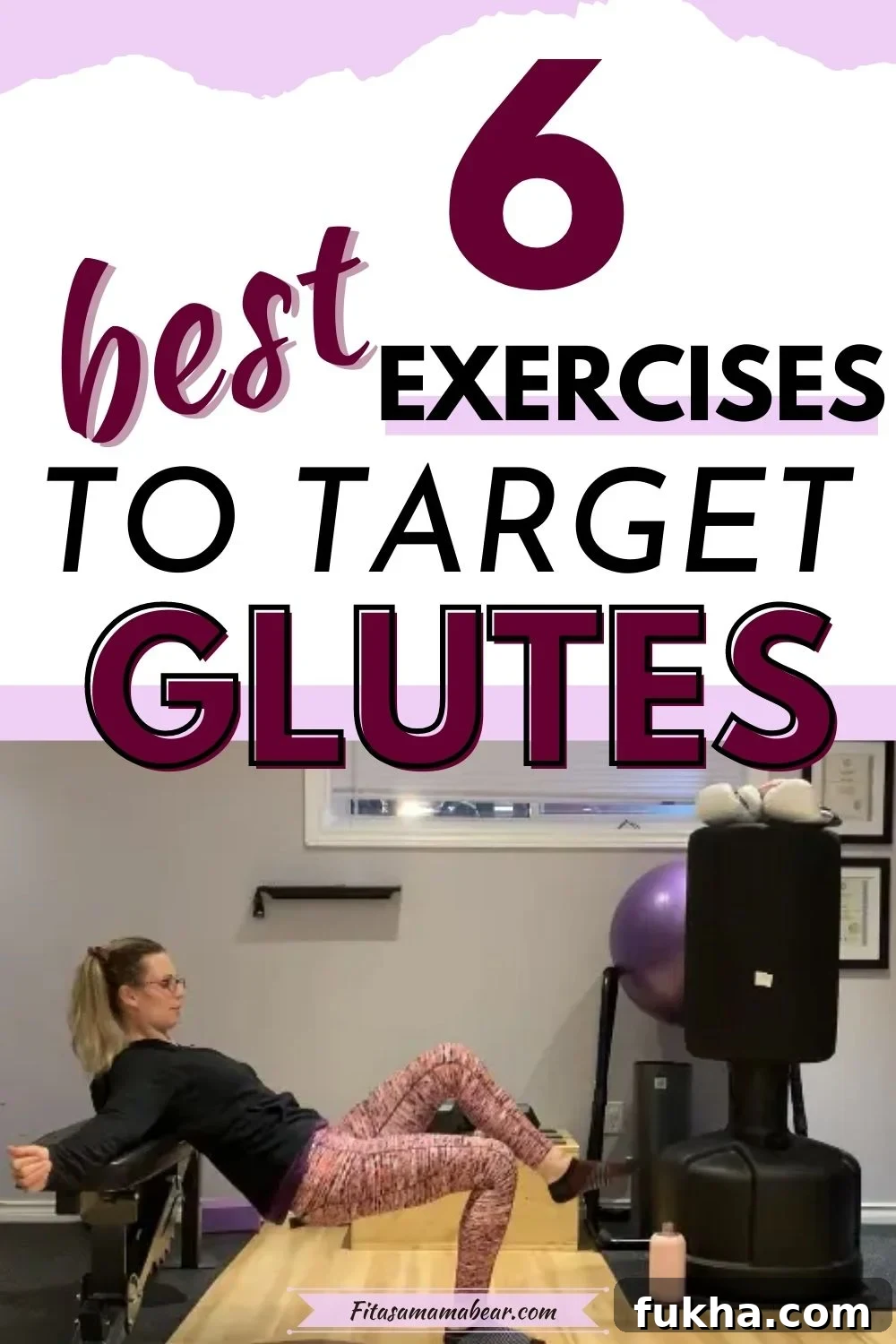
Exercise #3: Hip Thrusts
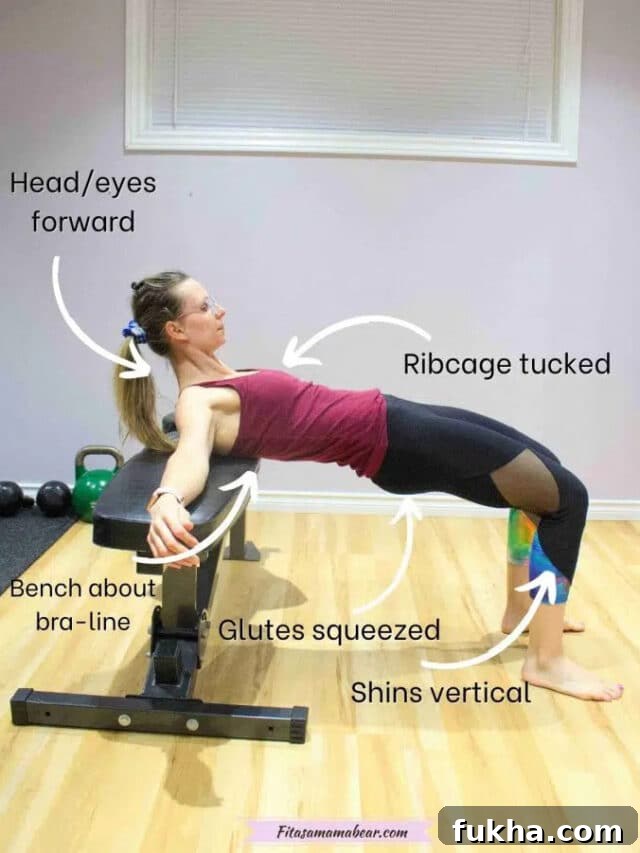
Hip thrusts offer a larger range of motion than bridges and allow for meaningful progressive overload. Keep your upper back supported on a bench, maintain a slight rounded position in the thoracic spine, and drive the movement from the hips. Single-leg variations increase unilateral tension, and pausing at the top creates valuable isometric work.
How to perform a hip thrust:
- Place your upper back on a bench with feet flat on the ground, slightly wider than hip-width.
- From the bottom position, press through the heels and lift the hips until the shins are vertical, squeezing the glutes at the top.
- Control the descent by hinging at the hips back to the start.
Repetitions: 8–20 per set, depending on load.
Exercise #4: Kneeling Squat
The kneeling squat shortens the lever arm, focusing the load on the hips and glutes. Keep the torso tall, push the hips back, and lower your hips toward your heels. Lead back with the hips on the return and finish with a deliberate glute squeeze. Load options include dumbbells, a weighted vest, or a band around the hips.
How to perform a kneeling squat:
- Start kneeling with an upright torso.
- Push the hips back and lower your glutes toward your ankles while maintaining a tall chest.
- Drive through the hips to return upright, tucking the pelvis slightly and squeezing the glutes at the top.
Repetitions: 12–20 per set.
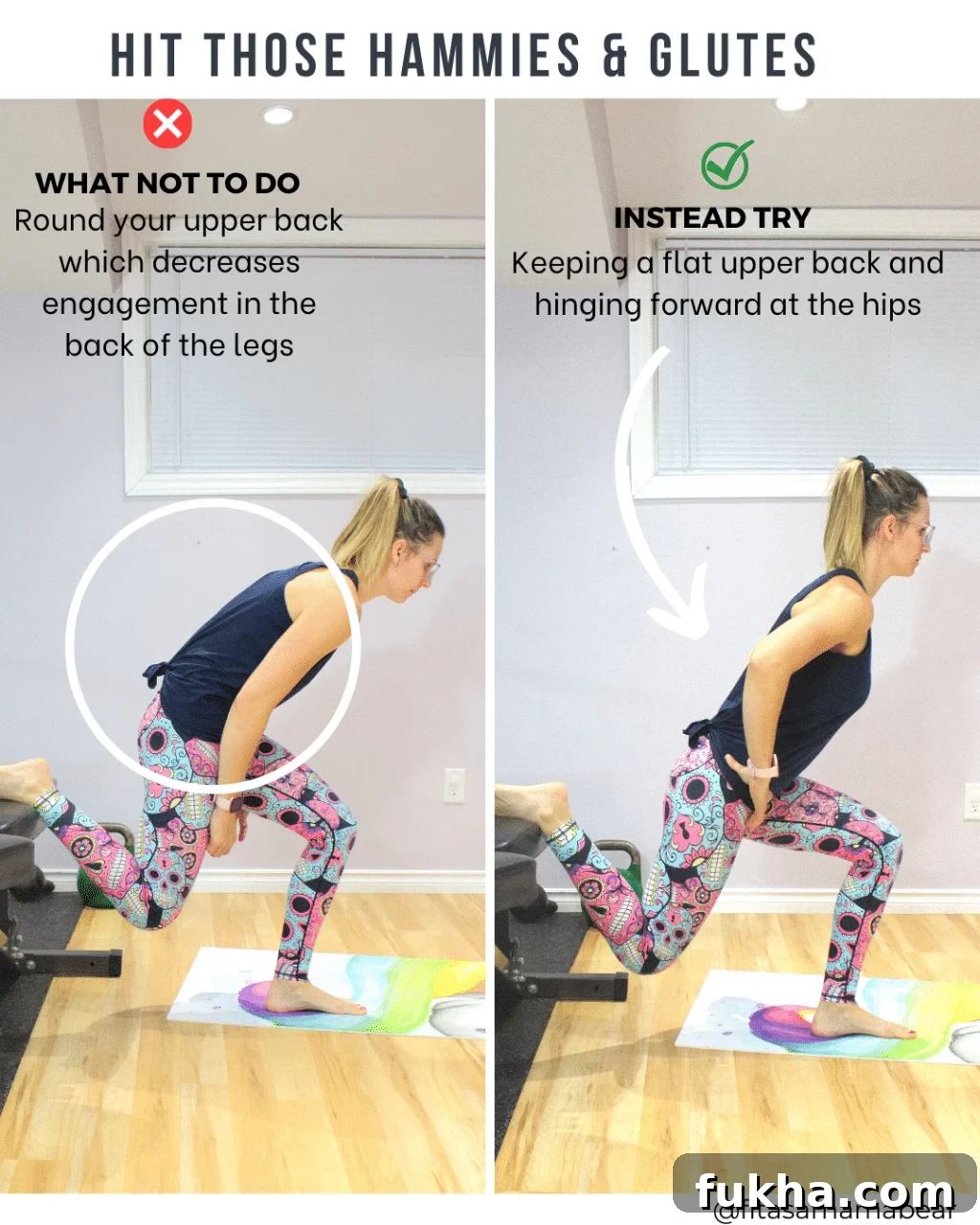
Exercise #5: Bulgarian Split Squat
With a small hinge forward, the Bulgarian split squat shifts emphasis from the knee to the hip and glute of the front leg. Set the rear foot on a bench, hinge slightly at the hips, and push through the front heel to return to standing. Perform all reps on one side before switching.
Repetitions: 8–12 per leg.
Exercise #6: Deadlifts
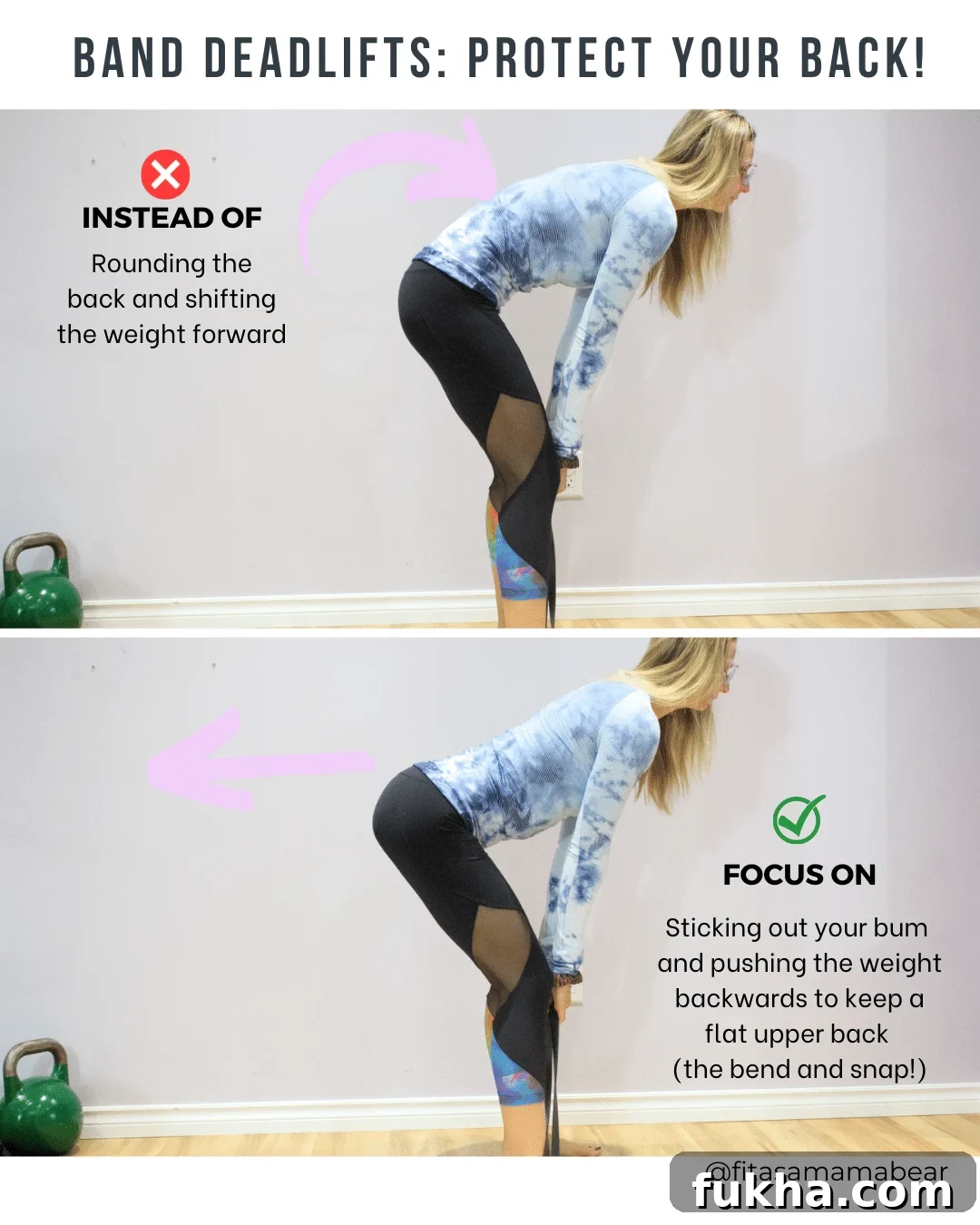
Deadlifts and their variations are classic hip dominant lifts. Romanian deadlifts, conventional deadlifts, band deadlifts, and supported versions all train hip hinge mechanics and load the glutes and hamstrings. Choose a variation that matches your experience and mobility, and focus on a strong hip drive and glute lockout at the top of each rep.
Band deadlift (simple at-home option):
- Stand on a resistance band and hold one end in each hand.
- Hinge at the hips with a slight knee bend, keeping the chest up and back flat.
- Drive through the feet and thrust the hips forward to stand tall, squeezing the glutes at the top.
- Hinge back to the start with control.
Repetitions vary by load: 8–12 for heavier resistance, 12–20 for lighter or bodyweight work.
How To Activate The Glutes
A common mistake is stopping at initial hip extension instead of fully squeezing at the top. That extra contraction—holding a deliberate squeeze—engages the glutes more effectively. Place a hand on the glute to feel the contraction if you need biofeedback, and always prioritize quality of movement over quantity.
Practice simple activation drills before your workout to prime the muscles for larger compound movements.
More Fitness Tips To Help You Reach Your Goals
Consistency, progressive overload, and attention to form are key. Use a mix of the exercises above across several weekly sessions, vary rep ranges, and gradually increase resistance. Short circuits and glute-focused finishers are effective for busy schedules.
If you want a structured plan, build circuits of 4–6 exercises, 2–4 rounds, or include 2–3 focused glute exercises at the end of full-body sessions.
Hip Dominant Exercises FAQs
Select 4–6 exercises that cover hip extension and hip abduction. Create a short circuit or 10–20 minute routine to perform 3–4 times per week, progressively increasing reps or resistance.
Hip thrusts are among the most effective hip-dominant exercises for the glutes. Start with bodyweight, then progress to single-leg variations and added resistance as you build strength.
Use 10–30 reps for low-impact, bodyweight-focused work and 8–12 reps for exercises performed with heavier load. Adjust based on your goals and fatigue levels.
Learn and practice the hip hinge: push the hips back, keep a neutral spine, and drive from the posterior chain. Drilling hinge patterns and prioritizing hip-driven movements will develop hip dominance.
Both matter. Knee-dominant exercises target quads and are useful for balanced lower-body development, while hip-dominant exercises should be prioritized when your goal is strengthening the posterior chain and the glutes.
They strengthen the glutes, hamstrings, and hips, improve pelvic stability, reduce back pain, and boost functional and athletic performance.