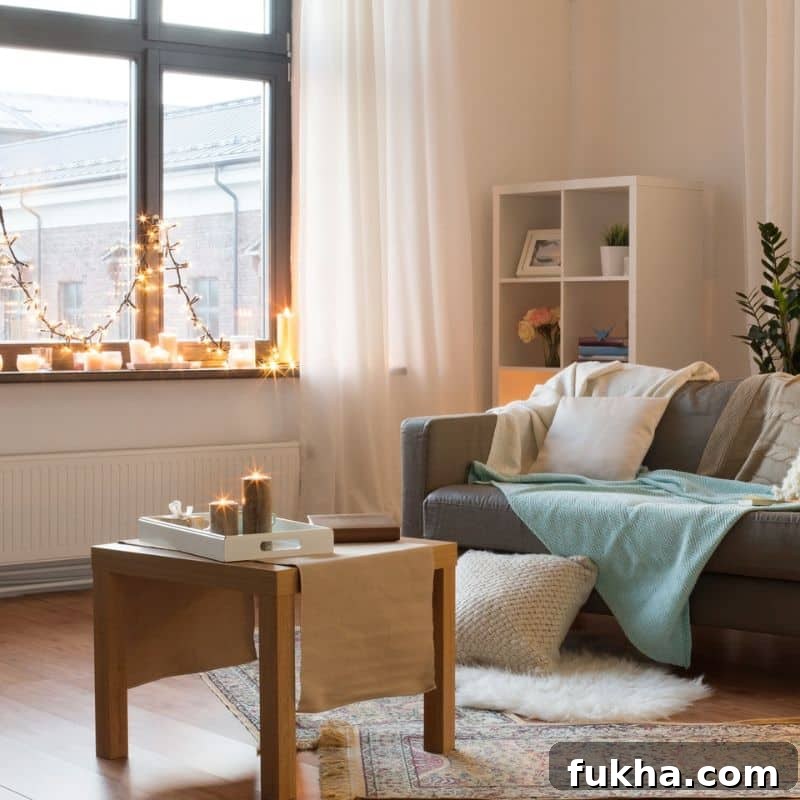
Your home is more than bricks and furniture; it’s a reflection of who you are and a place where you should feel relaxed and at ease. A welcoming home comforts its occupants and puts visitors at ease from the moment they arrive. Small, thoughtful changes can dramatically improve how warm and inviting your space feels. Below are six practical, expert-backed approaches to boost your home’s welcome factor and create a lasting, positive impression.
Revamp Your Windows
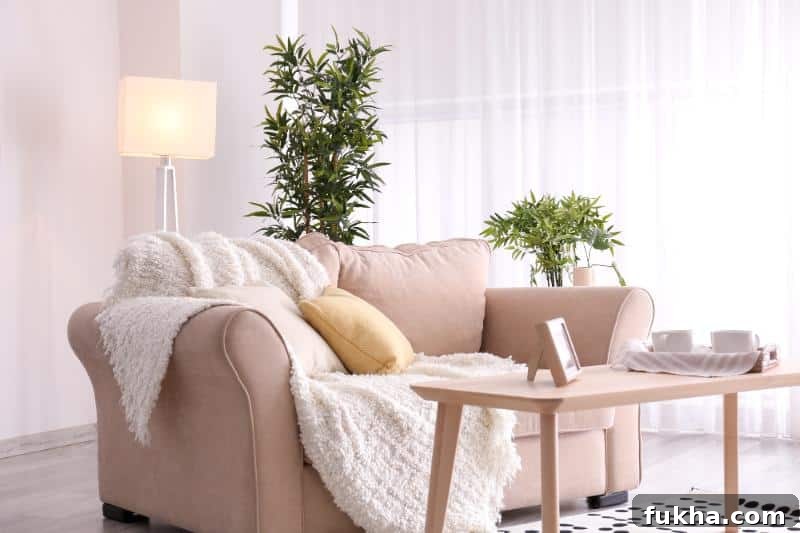
Windows frame both your view and the light inside your home. Updating window treatments is an effective, visible way to improve appearance and comfort. Consider custom blinds, shades, or curtains that suit your architectural style and practical needs—privacy, light control, and energy efficiency. Choose durable materials and finishes that complement your interior palette: warm woods for a classic look, sleek metals for modern interiors, or soft fabrics for a cozier feel. Layering treatments—sheer panels with blackout shades, for example—adds depth and flexibility, allowing you to change the mood of a room quickly while protecting furnishings from sun damage.
Elevate Curb Appeal
The exterior of your home sets expectations before anyone steps inside. A well-kept lawn, trimmed hedges, and seasonal flowers create an inviting first impression. Small updates—fresh paint on the front door, modern house numbers, new hardware on the mailbox, or an attractive welcome mat—can make a big visual difference. Good outdoor lighting both highlights architectural features and improves safety; consider layered lighting such as path lights, porch sconces, and uplights for landscaping. These investments not only make guests feel welcomed but also increase perceived value and pride of ownership.
Create an Inviting Entryway
The entryway serves as the threshold between the outside world and your private space, so keep it neat and purposeful. Declutter regularly and provide functional cues: a bench or small seating for putting on shoes, a console table for keys and mail, and wall hooks for jackets and bags. A high-quality doormat and a mirror help create a tidy and light-filled first impression. Add one or two personal accents—fresh flowers, a framed photo, or a small decorative tray—to make the space feel intentional without overcrowding it. Thoughtful storage solutions here ensure pathways remain open and welcoming.
Incorporate Warmth with Lighting
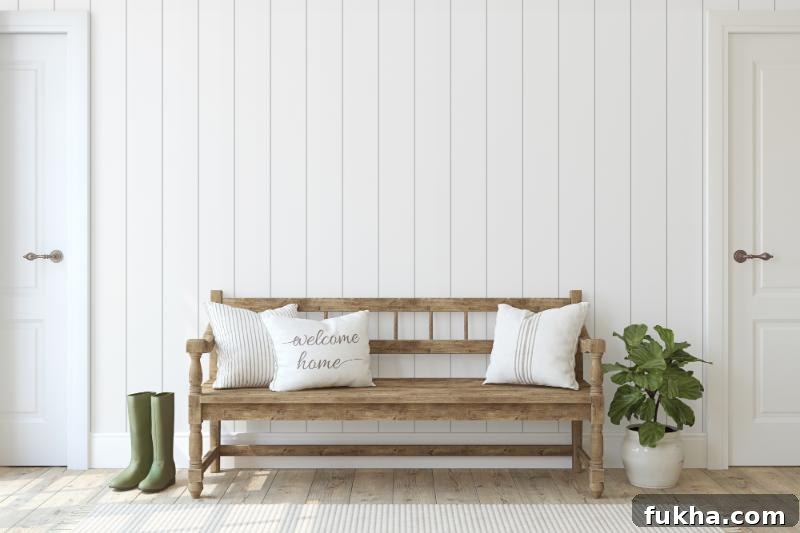
Lighting has a powerful effect on mood. Soft, warm light instantly makes spaces feel cozier and more welcoming than harsh, cool lighting. Use a mix of ambient lighting (overhead fixtures), task lighting (reading lamps and under-cabinet lights), and accent lighting (picture lights and uplights) to create layers that can be adjusted as needed. Dimmer switches are an inexpensive upgrade that allows you to tailor light levels for different activities and times of day. Selecting bulbs with a warm color temperature, and placing lighting to highlight artwork or architectural features, will add depth and comfort to every room.
Embrace Comfortable Furnishings
Comfort is central to hospitality. Choose seating that invites lingering—sofas and chairs with supportive cushions and soft fabrics. Arrange furniture to encourage conversation: group seating around a focal point such as a fireplace or coffee table rather than pushing everything against the walls. Layer soft textiles—throw blankets, cushions, and area rugs—to add texture, color, and warmth. Even small touches like an accessible side table, a reading lamp near a favorite chair, or a stack of current magazines signal that the space is meant to be enjoyed and relaxed in.
Infuse Personal Touches
Personal details make a house feel like a home. Display family photographs, meaningful souvenirs from travels, or artwork that inspires you. Incorporate natural elements—potted plants, cut flowers, or bowls of seasonal fruit—to bring life and fragrance into rooms. Use natural materials such as wood, stone, or woven textiles to add tactile warmth and a sense of authenticity. A deliberate gallery wall or a curated shelf with books and objects tells visitors about your interests and creates conversation starters without overwhelming the space.
Foster a Sense of Hospitality
Hospitality is as much about attitude as it is about decor. Greet guests warmly and offer a small refreshment when they arrive. Anticipate practical needs by keeping fresh towels, basic toiletries, and easy Wi‑Fi access available for visitors. Encourage guests to relax by showing them where to find blankets, lighting, or beverages, and offer a brief tour if appropriate. Small gestures—providing a charging station, a bowl of mints, or a spare toothbrush—can turn a pleasant visit into a memorable one and make guests feel truly cared for.
Creating a welcoming home involves attention to both practical details and personal touches. By updating windows and lighting, improving curb appeal, arranging comfortable furnishings, and offering genuine hospitality, you can craft a warm environment that feels effortless to guests and restorative to you. These changes can be implemented gradually and tailored to your budget and taste, but even small improvements add up to a more inviting, livable home that reflects your personality and values.