Is There Gluten In Cheerios?!
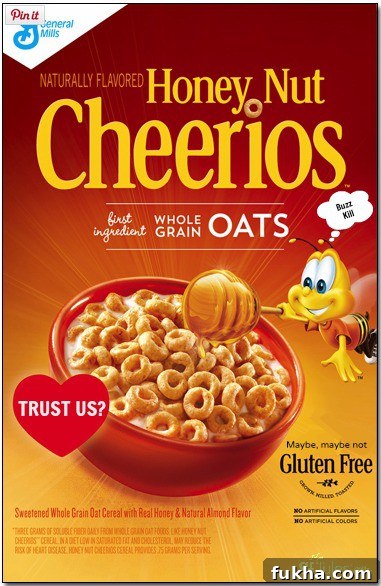 General Mills’ Cheerios made headlines when some boxes labeled “gluten free” were later found to contain gluten, prompting recalls and concern among people with celiac disease and those who follow a strict gluten-free diet. Below is a clear, chronological summary of the events, the testing issues that were raised, and why many gluten-free experts and patient groups remained cautious.
Gluten in Cheerios — 2015
In 2015 General Mills announced it would produce certain Cheerios varieties using oats that were mechanically or optically separated to reduce contamination from wheat, barley, and rye, rather than sourcing oats grown and processed under a strict “purity protocol.” The company stated batches would be tested for gluten, but the testing method they used combined multiple boxes into a composite sample and tested the average (the lot mean) rather than testing individual boxes. Critics noted this approach can mask localized contamination, so-called “hot spots,” where one or a few boxes in a lot contain much higher gluten than the lot average would indicate.
Concern grew after bloggers, members of the gluten-free community, and consumer advocates questioned the safety of cereal produced from mechanically separated oats and the sufficiency of General Mills’ testing protocols. Reports of illness from consumers who believed they had been harmed after eating Cheerios prompted further testing by regulatory bodies. Some FDA-tested samples from certain lots exceeded the commonly accepted threshold for gluten-free products, triggering a recall of approximately 1.8 million boxes produced during a specific production window.
Investigations later revealed that, for a period of 13 days at one production plant, General Mills failed to perform any testing on lots labeled gluten-free. During that same period, oats had been transported in containers previously used for wheat, which introduced additional contamination risk. The company has said it became aware of the problem only after complaints from consumers and advocacy organizations were raised to regulatory authorities.
Gluten in Cheerios — 2016
The Canadian celiac community and professional groups responded strongly when General Mills announced plans to market “gluten free” Cheerios in Canada using mechanically or optically sorted oats rather than purity-protocol oats. The Canadian Celiac Association and its scientific advisors published a position urging people with celiac disease to avoid Cheerios made with sorted oats. Their concerns included:
- Oats are at high risk of cross-contact with gluten-containing grains.
- Optical and mechanical sorting are imperfect; barley and wheat kernels can be similar enough in size and color to oats to evade removal, and broken kernels complicate sorting.
- General Mills’ cleaning and sorting system relies on mechanical processes developed to reduce contamination in commercial oats, not on certified purity-protocol sourcing.
- Gluten contamination in oats can be unevenly distributed, producing “hot spots” that composite testing may miss.
Based on these points and reports from consumers with adverse reactions, the association advised against consuming Cheerios labeled gluten-free until more information or stronger assurances about sourcing and testing were provided.
Gluten in Cheerios — 2017
Complaints continued to arrive at regulatory authorities and advocacy organizations. Independent reporting and freedom-of-information inquiries documented ongoing claims from people who said they had become ill after eating Cheerios. Medical professionals advising patients with celiac disease generally recommended avoiding products made with mechanically or optically separated oats because it is difficult to guarantee the absence of hazardous contamination using those methods, and there was no reliable way for consumers to verify safety on a per-box basis.
Regulatory action in some jurisdictions led to decisions such as removing or refusing the “gluten-free” claim from packaging sold in certain markets, although producers sometimes continued to sell existing labeled stock until it cycled out.
Gluten in Cheerios — 2021 and testing concerns
As of 2021 General Mills was still using composite sampling where sub-samples from 12 to 18 boxes are combined and then tested to determine whether a 24-hour production lot meets the company’s gluten-free criteria. The composite or “lot mean” approach can conceal high levels of gluten in individual boxes within the tested group. Critics argue that this testing strategy does not adequately address the risk of localized contamination and therefore may not protect all consumers with gluten-related disorders.
Advocacy and testing watchdog organizations have published position statements explaining why they remain unconvinced by mechanical sorting and composite testing when the health of celiac patients is at stake. These groups recommend that people with celiac disease rely on products made from oats certified through a recognized purity protocol or on certified gluten-free grains to minimize cross-contact risk.
Practical takeaway
If you have celiac disease or are highly sensitive to gluten, be aware that product labels and manufacturer testing methods can differ. Mechanically or optically separated oats are not the same as purity-protocol oats, and composite testing can miss individual contaminated boxes. Many clinicians and celiac associations have advised caution with Cheerios products labeled gluten-free when those products are made from sorted, rather than certified-purity, oats. If you experience symptoms after eating a product you believed to be gluten-free, report the event to your local regulatory adverse event system and consult your healthcare provider.
This summary focuses on widely reported events and official concerns raised by advocacy organizations and health professionals. For the most current guidance, check with recognized celiac associations and your healthcare team before trying a product marketed as gluten-free if you require a strict gluten-free diet.