Seasonal Fruits and Vegetables: When They Taste Best and How to Make the Most of Them
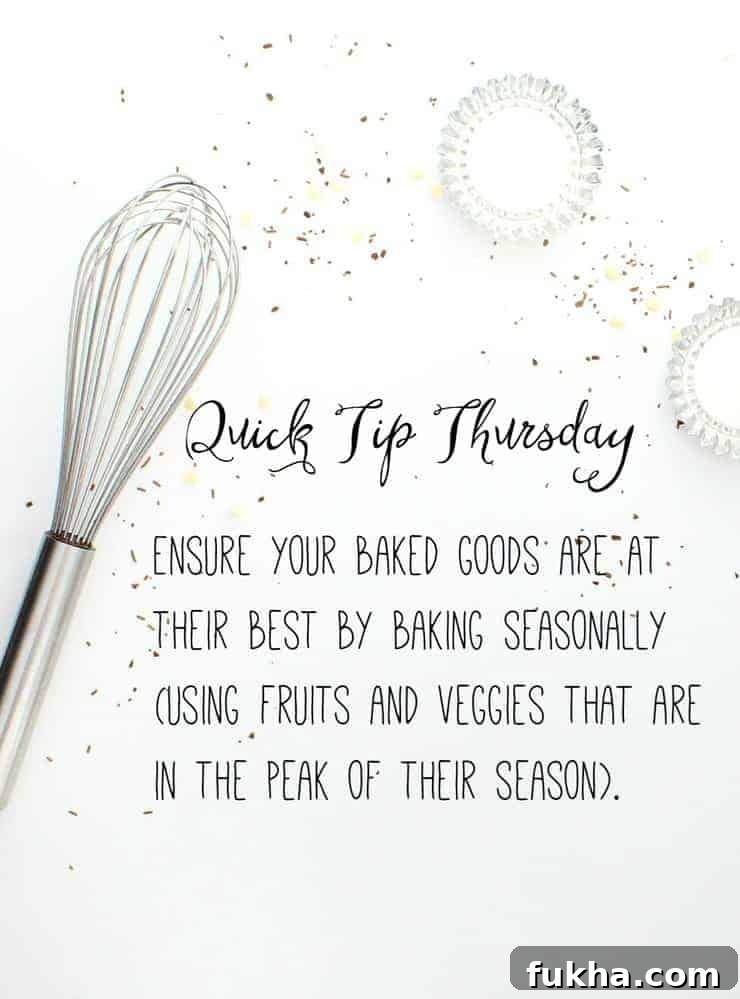
Cooking and baking with fruits and vegetables that are in season transforms flavor, texture, and even the nutritional value of your meals. While it may seem obvious that produce tastes better at its peak, the challenge for many home cooks is knowing when each fruit or vegetable reaches that peak. Seasons vary by region and climate, but understanding general patterns and using a few practical strategies will help you buy and use the best produce all year long.
Why seasonal produce matters
Produce harvested in season has ripened naturally, developing higher sugar content, brighter aromas, and better texture than items picked early and shipped long distances. Seasonal buying often means fresher items at lower prices, fewer preservatives, and a smaller carbon footprint because local harvests travel shorter distances. Beyond taste and cost, seasonal eating supports local farms and encourages variety in your diet throughout the year.
Common fruits and their typical peak seasons
Exact timing depends on where you live, but many fruits follow predictable seasonal windows. Strawberries are famous for their bright flavor and are usually best from late spring into early summer. Plums tend to shine in mid to late summer with juicy, sweet flesh. Figs commonly reach peak quality in late summer into early fall, offering rich sweetness and a unique texture. Grapefruits are often at their best in cooler months—many varieties peak in winter and early spring. Berries like boysenberries and raspberries typically do well in summer when they are freshest and most fragrant. These are general patterns; local microclimates and farming practices will shift exact timing.
How to find what’s truly in season near you
The most reliable sources are local farmer’s markets, community-supported agriculture (CSA) boxes, and regional seasonal charts produced by agricultural extensions or local food organizations. Visit a market and ask vendors what just came in—farmers will often tell you what’s at peak. Look for produce that smells fresh, is firm where it should be, and shows minimal bruising. Seasonal signs also include abundance and lower prices: when a stand is overflowing with a single item, it’s almost certainly in season.
Practical tips for buying, storing, and preserving
Buy only what you can use while it’s at its best, and plan simple preparations that showcase fresh flavor—grilled vegetables, fruit salads, quick compotes, or roasted seasonal vegetables require minimal intervention. Proper storage extends life: keep leafy greens cold and dry in breathable containers, store stone fruits at room temperature until ripe, and refrigerate berries briefly, ideally on a paper towel-lined tray to absorb moisture. To enjoy peak flavors year-round, preserve surplus with freezing, canning, jam-making, or drying. Freezing berries or blanched vegetables preserves most flavor and nutrients, while making jam or chutney concentrates taste for winter usage.
Cooking ideas to highlight seasonality
Let seasonal produce shine with straightforward techniques: roast root vegetables with a touch of oil and herbs, quickly sauté tender greens with garlic and lemon, or make a simple fruit compote to top yogurt, pancakes, or ice cream. When berries are in season, use them in muffins, galettes, or a rustic cobbler. Stone fruits like plums and peaches caramelize beautifully when grilled or roasted and pair well with savory proteins or creamy desserts.
Benefits beyond flavor
Eating seasonally can broaden your palate and encourage culinary creativity. Rotating produce with the seasons prevents menu stagnation and increases nutrient diversity. It can also stretch your food budget—seasonal gluts often mean lower prices and opportunities to preserve large quantities for later use. Supporting local growers keeps more money in your community and reduces environmental costs associated with long-distance shipping.
Final tips
Start by visiting a local market this week and ask what’s coming into season. Try one new fruit or vegetable each month and cook it simply to appreciate its natural qualities. Keep a small freezer stash of favorites for off-season use, and experiment with basic preservation methods. Over time you’ll develop an intuitive sense of what’s in season and how to make the most of it—resulting in better-tasting food and a more satisfying cooking routine.