Learn how to create the best essential oil blends for men using masculine, tried-and-true recipes and scent combinations.
I enjoy making DIY products as gifts—homemade items are personal and useful. For the past several years I’ve assembled a Father’s Day gift basket filled with aftershave, beard oil, conditioning balm, and cologne. These are everyday items my husband uses, and I prefer scenting them with essential oils that feel masculine and refined.
Over time I developed blends I consistently reach for. Below you’ll find woodsy, earthy, spicy, minty, and citrus oils that pair well together, along with suggested blends for colognes, diffusers, skincare, and hair care.
MASCULINE SCENTS ESSENTIAL OILS
Masculine scents often lean toward woodsy and earthy notes, which mix well with spicy, minty, and citrus accents. Choose a primary note (woodsy or earthy) and then add one or two supporting notes from the other categories to achieve the balance you want.
WOODSY ESSENTIAL OILS FOR MEN
- Arborvitae
- Black spruce
- Cedarwood
- Copaiba
- Cypress
- Douglas fir
- Myrrh
- Sandalwood
- Siberian fir (or white fir)
- Vetiver
EARTHY ESSENTIAL OILS FOR MEN
- Citronella
- Eucalyptus
- Frankincense
- Spikenard
- Tea tree (Melaleuca)
SPICY ESSENTIAL OILS FOR MEN
- Black pepper
- Cardamom
- Cassia
- Celery seed
- Cinnamon bark
- Clove
- Coriander
- Ginger
MINTY ESSENTIAL OILS FOR MEN
- Peppermint
- Spearmint
- Wintergreen
CITRUS ESSENTIAL OILS FOR MEN
- Bergamot
- Grapefruit
- Green mandarin
- Juniper berry
- Lemon
- Lemongrass
- Lime
- Petitgrain
- Tangerine
- Wild orange
ESSENTIAL OIL BLENDS FOR MEN
Blending is creative and flexible. Start with a base note (typically woodsy or earthy), then layer a middle note and a bright top note. Add oils one drop at a time and smell as you go until you reach the desired balance. If you want only a whisper of a scent, use the toothpick method: dip a clean toothpick into the oil, then swirl it into your blend.
Note: for tips on diluting properly, see the “How many drops of essential oils should I use?” section below.
MANLY ESSENTIAL OIL BLENDS
CITRUS SPICE
- Bergamot
- Siberian fir
- Clove (use sparingly)
FOR THE OFFICE
- Sandalwood
- Frankincense
- Wild orange
NIGHTLIFE
- Cardamom
- Ylang ylang
- Vetiver
- Lemon
OUTDOOR
- Basil
- Cedarwood
- Lemongrass
- Helichrysum
LEMON CEDAR
- Cedarwood
- Lemongrass
FLORAL MINT
- Rosemary
- Lavender
- Thyme
- Peppermint
FRESH AND CLEAN
- Eucalyptus
- Sandalwood
- Tea tree (Melaleuca)
CITRUS BLEND
- Wild orange
- Lemon
- Bergamot
EARTHY BLEND
- Frankincense
- Sandalwood
- Vetiver
WOODSY BLEND
- Cedarwood
- Lemongrass
- Sandalwood
If you plan to use these blends in products like cologne, aftershave, or beard oil, always dilute to an appropriate strength for topical use and perform a patch test first. Exact recipes with drop counts are available in my DIY guides for men’s cologne, aftershave, beard oil, and beard conditioner (see the recipe list below in the “How many drops…” section).
BLENDING ESSENTIAL OILS FOR MEN
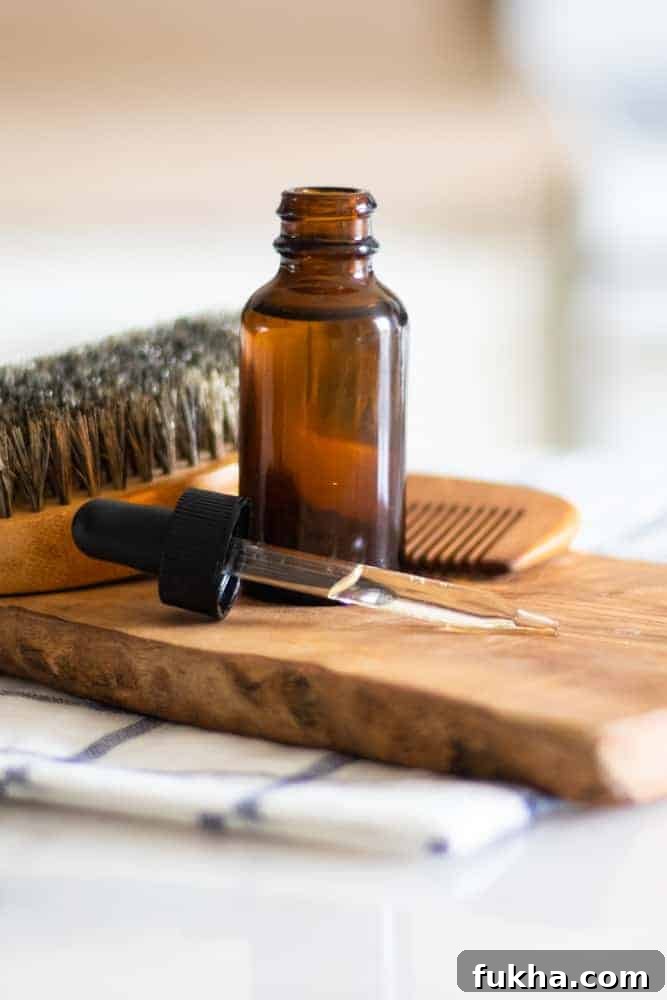
Essential oils are highly concentrated, so less is more. A few drops can deliver a strong scent; add oils slowly and evaluate as you go. For subtle additions, the toothpick method gives you fractional amounts without wasting drops.
HOW MANY DROPS OF ESSENTIAL OILS SHOULD I USE?
Dilution matters for safety and scent balance. Typical guidelines for blending:
- 2 oz (spray bottle): 15–20 drops total
- 10 mL roller bottle: 12–15 drops total
- 2 oz dropper bottle: about 10 drops total
- Diffuser session: 6–8 drops (depending on diffuser size)
These are general recommendations—adjust for personal preference and product type. For step-by-step recipes that list exact drops, consult DIY guides such as DIY Men’s Cologne, Homemade Aftershave, Homemade Beard Oil, and DIY Beard Conditioning Balm.
ESSENTIAL OIL BLENDS FOR MEN’S SKINCARE
Making your own skincare allows you to avoid unnecessary synthetic fragrances and customize aroma and function. For men’s products I prefer woodsy and earthy aromas. A few oils are commonly used for skin-supportive blends:
- Frankincense: often used for mature or uneven skin; may support skin appearance.
- Sandalwood: known for a soothing, grounding scent and commonly used in formulations for irritated or dull skin.
- Tea tree (Melaleuca): widely used for its cleansing aroma and spot-treatment applications in topical blends.
CAN ESSENTIAL OILS BE USED FOR HAIR CARE?
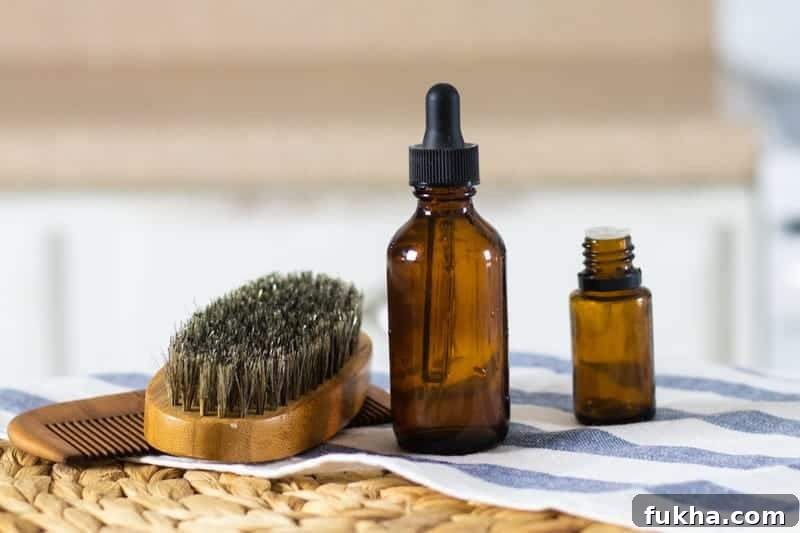
Essential oils can be incorporated into shampoos, conditioners, and beard care products. Oils commonly used in hair blends include cedarwood, lavender, peppermint, and rosemary. These oils are popular choices because they pair well with carrier oils and grooming bases and contribute pleasant, masculine aromas.
- Cedarwood: commonly included in hair blends for its warm, woody scent.
- Lavender: often used for its calming aroma and compatibility with many formulations.
- Peppermint: used for a refreshing cooling sensation and bright top note.
- Rosemary: frequently chosen for its herbaceous aroma and strong pairing with masculine profiles.
ESSENTIAL OIL DIFFUSER BLENDS FOR MEN
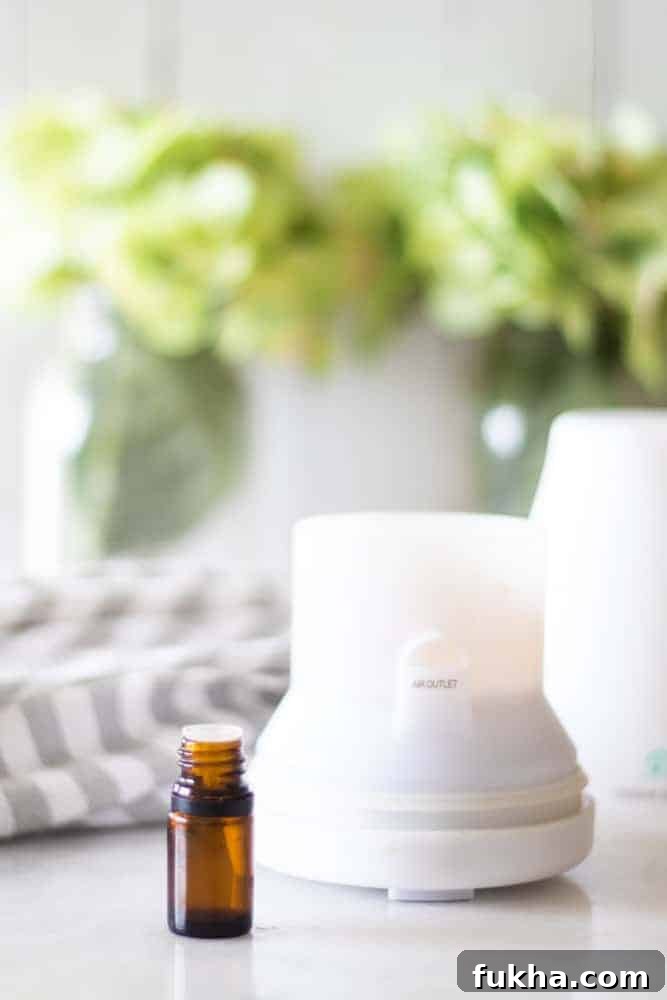
Diffusing essential oils freshens the air and contributes to atmosphere and mood. Everyone responds differently to scents, so start with the lower end of suggested drops and increase if desired. The following diffuser mixes are designed for a typical 200 mL diffuser.
OUT OF THE WOODS
- 3 drops cedarwood
- 2 drops Siberian fir
- 2 drops rosemary
- 1 drop vetiver
PEACE AND CALMING
- 3 drops frankincense
- 3 drops sandalwood
- 2 drops chamomile
RECHARGED
- 3 drops lemon
- 3 drops bergamot
- 2 drops arborvitae
FEEL GOOD
- 2 drops cypress
- 2 drops bergamot
- 2 drops frankincense
- 2 drops fir oil (white, Douglas, or Siberian)
BALANCE
- 2 drops lime
- 2 drops frankincense
- 2 drops bergamot
- 2 drops black spruce
How to use these blends in a diffuser?
Fill your diffuser to the designated water fill line, add the suggested drops, secure the lid, and run according to the diffuser’s instructions. Amounts above are for a 200 mL diffuser—adjust proportionally for larger or smaller units.
These blends and suggestions are intended for general informational purposes. When applying essential oils topically, always dilute appropriately in a carrier oil and test a small patch of skin first. If you have health concerns or sensitivities, consult a qualified professional before use.