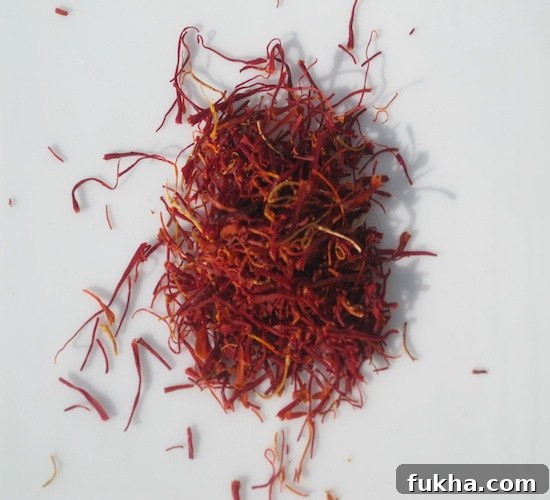
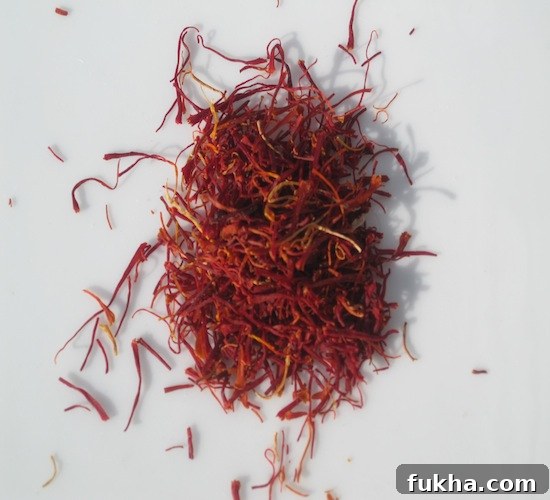
Saffron is celebrated as one of the world’s most prized and costly spices, yet only a small amount is needed to transform a dish. Its delicate aroma combines honeyed floral notes with a subtle, earthy warmth, and it lends a unique golden hue that makes food immediately more inviting. The spice consists of the dried stigmas of the Crocus sativus flower, and because those threads must be harvested by hand, saffron commands a high price. Spain and India are well-known producers, and along with regions such as Iran, several countries cultivate saffron with distinctive local varieties and flavors.
In my kitchen saffron is a special ingredient reserved for dishes where its color and fragrance can shine—rice preparations, creamy sauces, seafood, and even some desserts. It is a signature spice in classic Spanish paella, a dish I always enjoy making. When used with restraint, saffron enhances the overall balance of a recipe rather than overwhelming it.
Below are a few saffron dishes I often prepare, illustrated with photos of finished plates. Each uses saffron in slightly different ways so you can appreciate how versatile the spice can be.
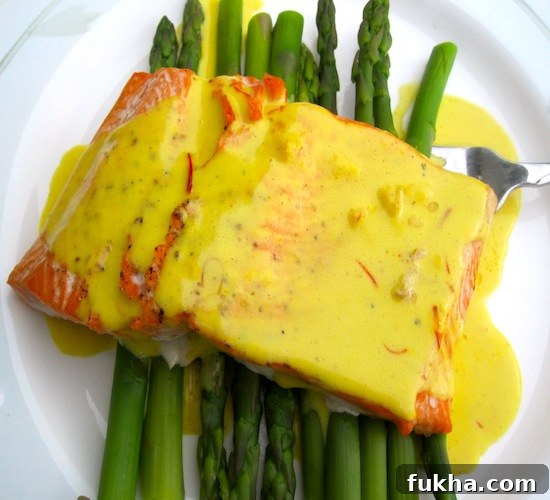
Salmon with Coconut-Saffron Sauce
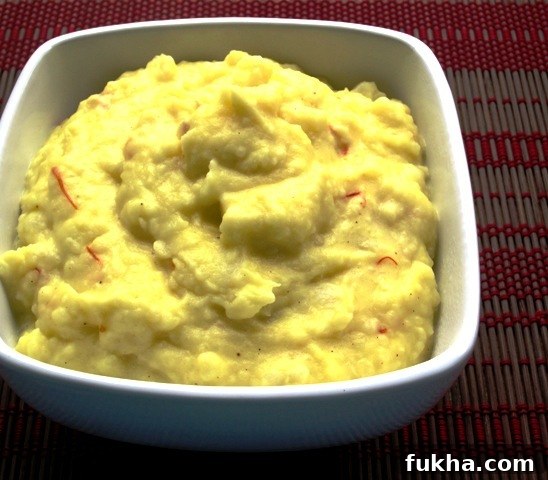
Saffron and Garlic Mashed Potatoes
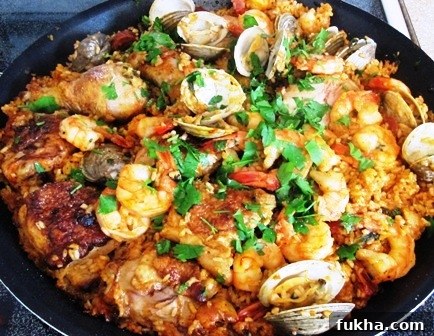
Seafood and Chicken Paella
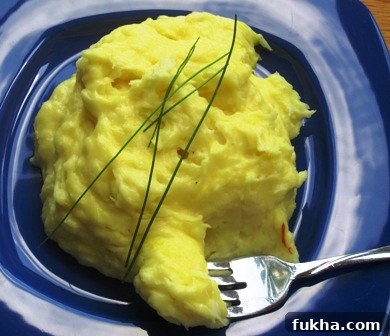
Saffron Mashed Yuca
If you’re new to cooking with saffron, a few simple tips will help you get the best results. Always look for whole threads rather than powdered saffron when possible—threads retain aroma and are less likely to be adulterated. Expect threads to be deep red with faintly orange tips and a strong floral scent. Store saffron in an airtight container away from light and heat to preserve both color and flavor.
To draw out saffron’s color and fragrance, gently crush a few threads and steep them in warm (not boiling) water, milk, or stock for several minutes before adding the infusion to your dish. This step helps distribute the spice evenly and makes even a small amount feel abundant. Because saffron is so potent, a little goes a long way: start with a few threads and adjust to taste, keeping in mind that prolonged high heat can mute its delicate aroma.
Saffron pairs beautifully with rice, seafood, chicken, root vegetables, and creamy bases like coconut milk or dairy creams. In savory dishes it provides a warm, honeyed lift and gorgeous color; in desserts it can add an exotic floral depth to custards, ice creams, and sweet syrups. Experiment by combining saffron with complementary flavors such as garlic, citrus zest, smoked paprika, and safflower or turmeric when you want additional color without competing aromas.
Beyond the kitchen, saffron has a long cultural history and appears in cuisines across Spain, India, parts of the Middle East, and beyond. Each culinary tradition showcases saffron in ways that balance regional ingredients and techniques. In modern home cooking, using saffron sparingly and thoughtfully will let you enjoy its luxury without overwhelming your meal or your budget.
Whether you’re preparing a traditional paella, a creamy saffron sauce for fish, or a comforting mash infused with threads of gold, saffron can elevate a simple recipe into something memorable. Treat it with respect, store it carefully, and let its subtle complexity transform the dishes you love.