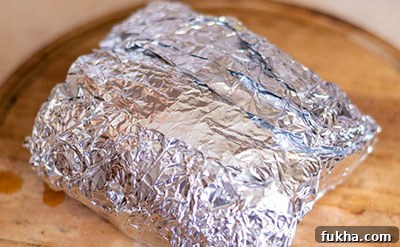
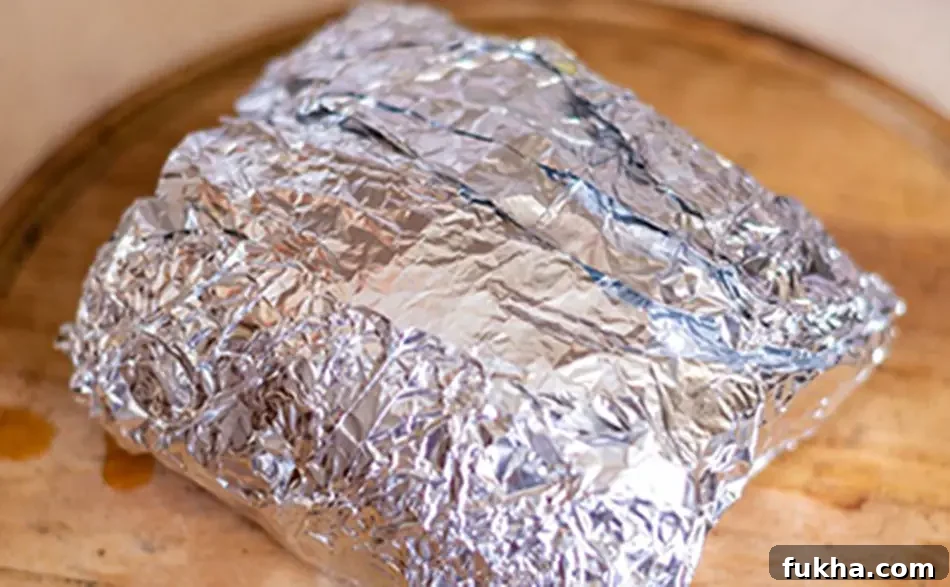
Timing matters when wrapping pork shoulder for pulled pork. Wrap too early and the bark can soften; wait too long and you may face other issues like over-smoking or extended cook times. This guide explains when to wrap, the pros and cons of different wrap materials, how bark forms, and a few practical tips to get tender, well-barked pulled pork.
Key Points
| Point | Description |
|---|---|
| Timing is important when wrapping pulled pork | Most pitmasters wrap around 4–5 hours into the cook, when the bark starts to crack and the internal temp approaches 160° F. |
| Wrapping too early or too late can affect results | Early wrapping creates steam that softens the bark; late wrapping can expose the meat to over-smoking or longer cook time. |
| Wrap options | Foil produces more steam and a softer bark; butcher paper breathes and keeps a firmer bark. You can also leave the roast unwrapped for a crispier finish. |
| Wrapping can help through the stall | Wrapping before or during the stall (around 160–170° F) helps push the temperature upward and speeds the cook. |
| Protection from bad smoke | Wrapping shields the meat from harsh or dirty smoke and helps the rub set into the bark. |
| Bark composition | Bark forms from dehydrated meat, rendered fat, rub, and smoke—providing texture and flavor to the final pull. |
| Spritzing | Spritz with an apple-cider vinegar and water mix to keep meat moist, but avoid spritzing too early or you may wash away the rub. |
| Final temperature | Pull the pork when the internal temperature reaches about 200° F and the meat is tender enough to pull easily. |
Don’t Wrap the Pork Too Early
- Allow the pork alone for the first 4–5 hours to let the bark form properly.
- Wrapping too soon traps steam and can prevent a firm bark from developing.
- Wait until the bark is set and beginning to crack and the internal temp is near 160° F before wrapping.
- Wrapping before the stall helps push the roast through the temperature plateau.
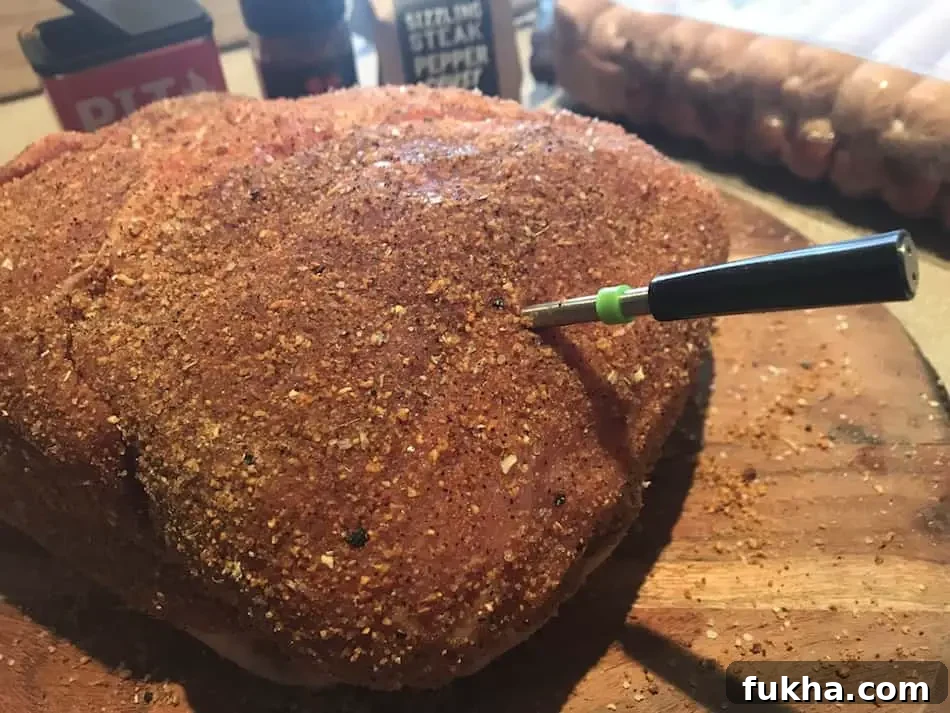
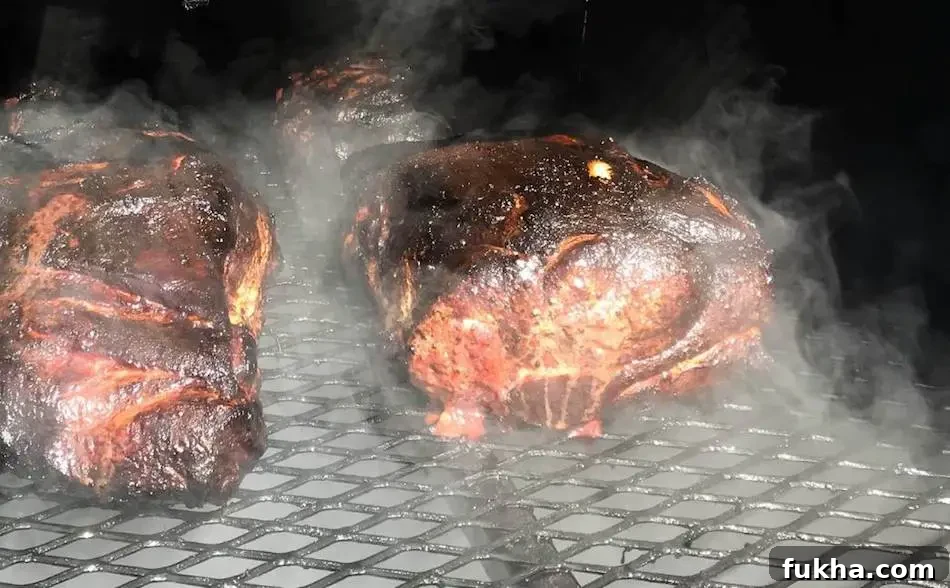
During the early phase of smoking, the goal is to develop a solid, flavorful bark. That crust is a mix of dehydrated surface meat, rendered fat, rub, and smoke. If you seal the roast before that layer sets, steam will soften it and you may lose the crunchy texture you want in the final pulled pork.
Some Pitmasters Don’t Wrap
- Leaving the pork unwrapped yields a crisper bark and is a valid approach.
- An unwrapped roast needs consistent low-and-slow temperatures and mild wood to avoid harsh smoke flavor.
- Unwrapped cooks can take longer—often a few extra hours compared to wrapped meat.
- Experienced pitmasters often judge by feel and appearance rather than a strict rulebook when deciding to wrap.
If you prefer a pronounced, crunchy bark, you can skip wrapping. Keep the smoker temperature steady and choose mild fruit woods like apple or cherry. Expect a longer cook and monitor moisture closely to avoid drying out the meat.
Wrapping Protects From Over-Smoking and Bad Smoke
Wrapping can shield the roast from excessive smoke and prevent dryness during long cooks. If smoke quality is poor—thick, black, or acrid—wrapping reduces the meat’s exposure and keeps flavors balanced. Even with clean smoke, wrapping later in the cook helps keep moisture in and preserves a tender interior.
Pink Butcher Paper or Aluminum Foil?
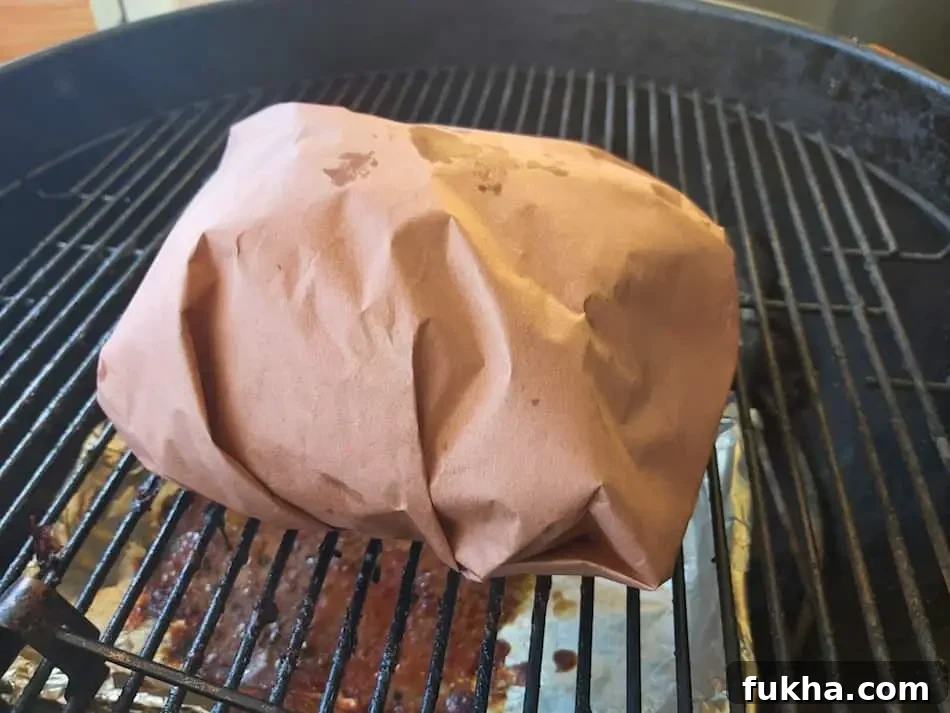
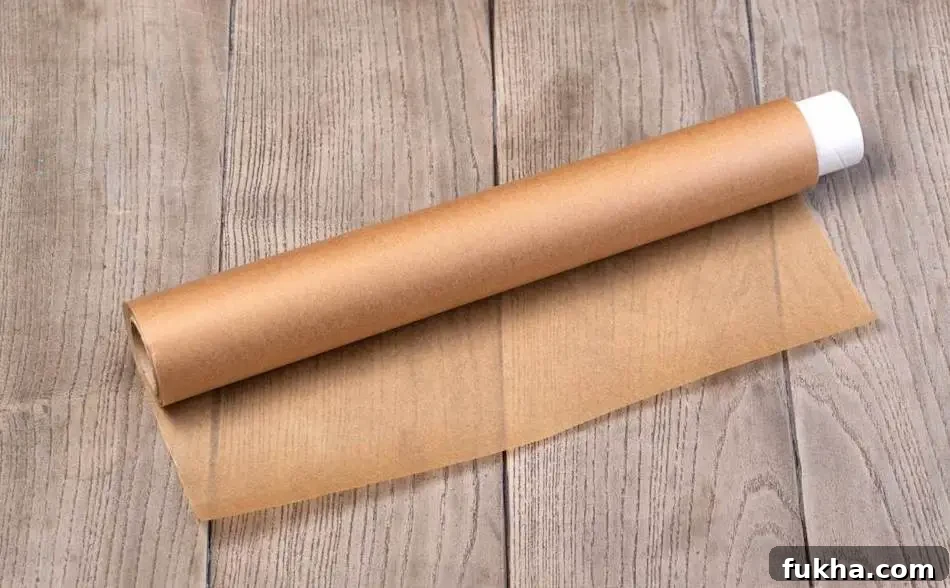
Foil and butcher paper are both common choices, but they produce different textures. Aluminum foil traps steam and accelerates cooking, typically softening the bark. Butcher paper allows some breathability, so the bark stays firmer while still speeding the cook compared to leaving the roast completely unwrapped. Pick the material that matches your desired bark texture and cooking plan.
How Bark Forms on Pulled Pork
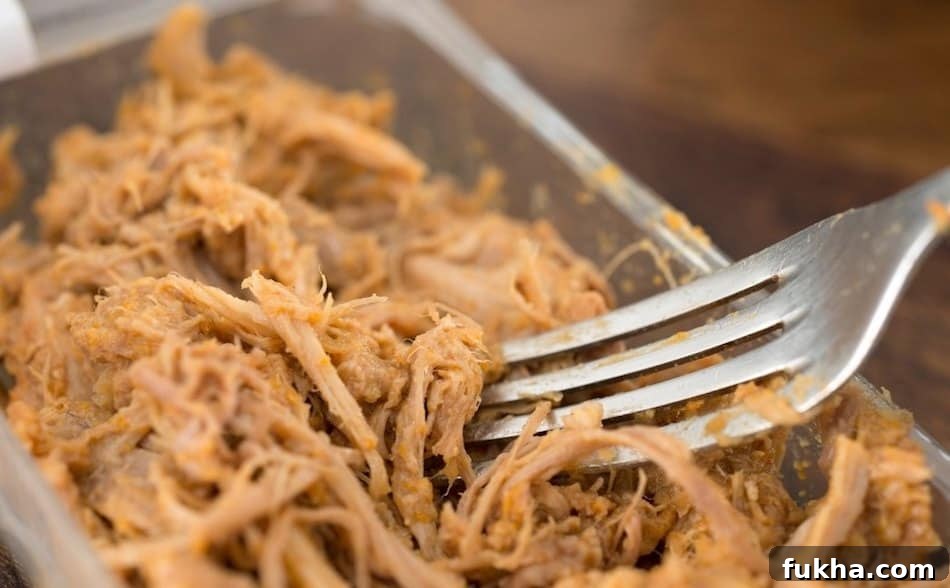
Bark is the flavorful crust that forms on the outside of the roast. It develops from a combination of the rub, rendered fat, dehydration of the surface, and smoke compounds. A well-developed bark adds texture and depth to pulled pork—when shredded, you want a mix of tender interior meat and pieces of crusty bark for contrast.
Rub application and spritzing both influence bark development. Apply the rub early and avoid heavy spritzing until the rub has begun to set; once the rub adheres, occasional spritzes of an apple-cider vinegar and water mix will help keep the meat moist and promote a good bark.
Spritzing Pork
Don’t spritz too early or you risk washing away the rub. Test by touching the surface: if the rub sticks to your finger, wait. When the rub no longer transfers, light spritzing with a vinegar-and-water mix can add moisture and help flavor penetration. After wrapping, insert a probe thermometer to monitor internal temperature and pull the roast at around 200° F, when the meat is tender and pulls apart easily.
In Summary
- Wrap timing is important—typically around 4–5 hours in, when bark begins to crack and internal temp approaches 160° F.
- Wrapping too early softens bark; wrapping too late can prolong the cook or expose the meat to bad smoke.
- Foil yields a softer bark; butcher paper preserves more texture. Leaving the roast unwrapped produces the crispiest bark but requires careful temperature control.
- Wrapping before or during the stall helps push the roast through and keeps it moist.
- Spritz carefully—only after the rub has set—and finish the roast to about 200° F for tender pulled pork.
Pulled Pork Cook Times
Cook times vary by smoker, roast size, and temperature management. Use an accurate thermometer and judge doneness by tenderness as much as by temperature. Aim for stable low-and-slow heat, patience during the bark-forming phase, and a final internal temp near 200° F for reliably tender pulled pork.
Recommended tools: A reliable dual-probe thermometer to monitor smoker and meat temperatures, a fast instant-read thermometer for spot checks, and food-grade unwaxed butcher paper if you prefer a firmer bark. These items help you control the cook and achieve consistent results.