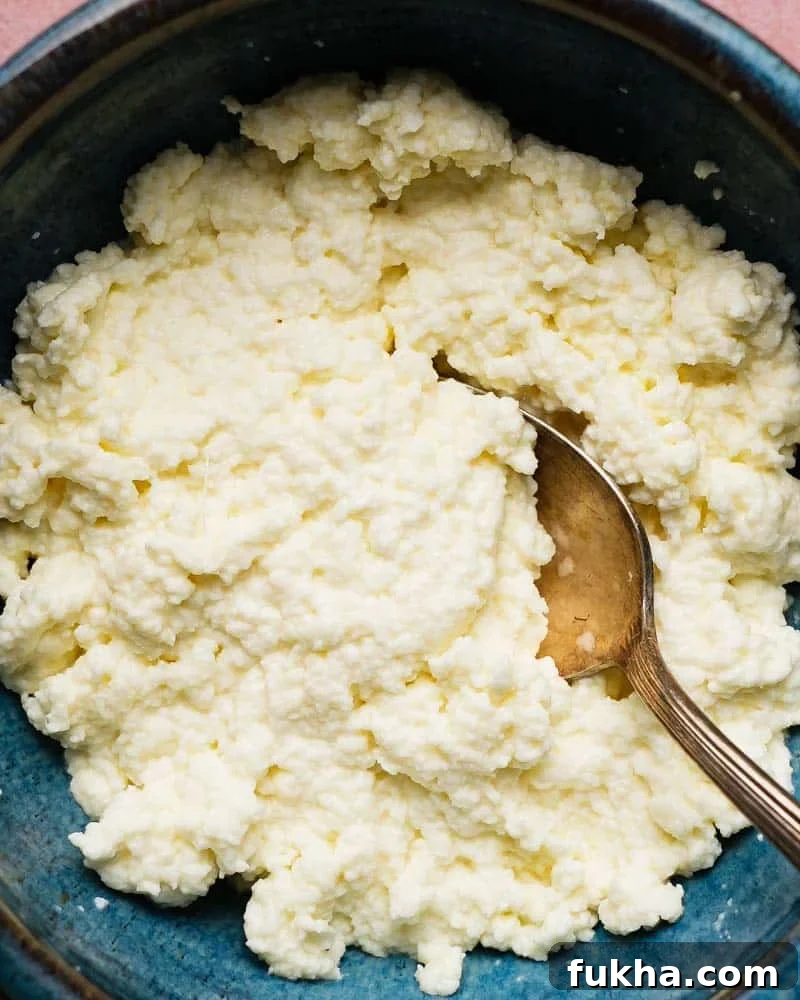
With only four ingredients, this Homemade Whole Milk Ricotta Cheese is an easy and delicious staple to make at home. It comes together quickly and adds a creamy, neutral-flavored element to countless dishes. Because ricotta is mild, it pairs beautifully with both sweet and savory preparations. Follow the clear, step-by-step directions below to make your own fresh ricotta.
Think pizza, lasagna, pasta, tartines or desserts—the uses are almost endless. This homemade ricotta is silky and versatile, making it tempting to add to many of your favorite meals.
For other cheese ideas, try whipped brie or a creamy mac and cheese with sage breadcrumbs as complementary options.
Why You’ll Love This Recipe
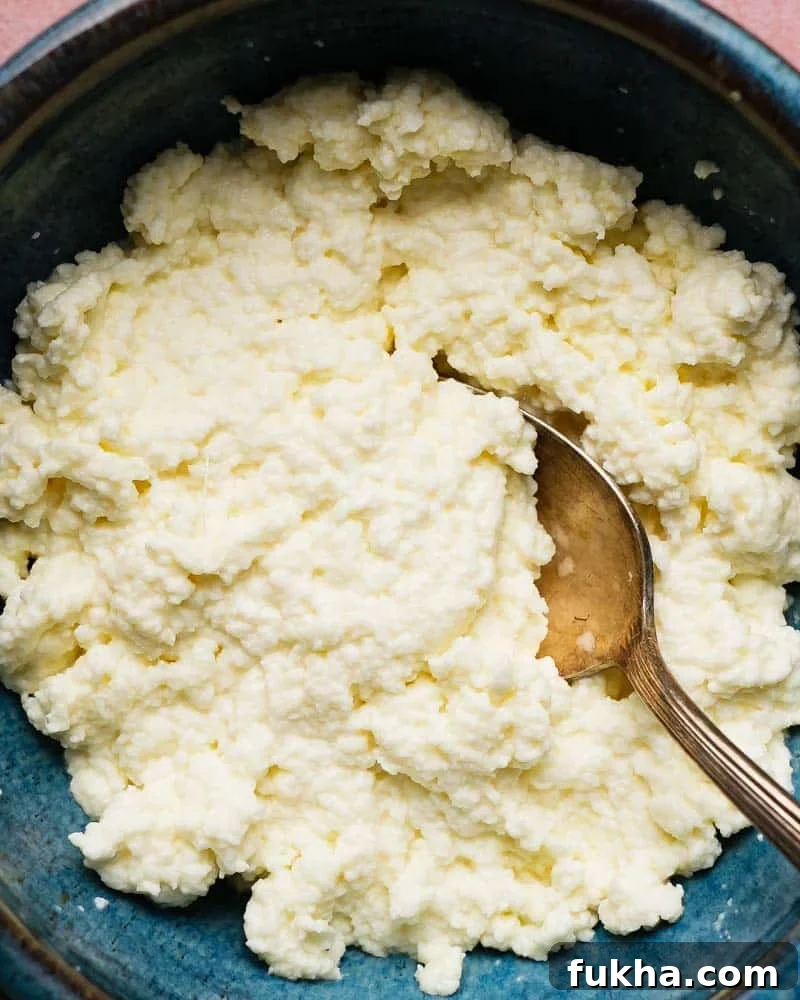
This ricotta uses just four ingredients and requires minimal hands-on time, making it a simple way to produce fresh cheese at home. It’s an approachable project for cooks of all levels.
- Creamy: Fresh ricotta has an irresistibly soft, creamy texture—especially when made from full-fat milk. Add a splash of heavy cream if you prefer an even richer result.
- Minimal Ingredients: Milk, an acid (lemon juice or vinegar), salt, and pepper are all you need to make a flavorful ricotta.
- Versatile: Use it in savory dishes like pasta, tartines, and salads, or sweet dishes such as fritters and desserts.
- Customizable: Control the texture by adjusting drain time—shorter for softer ricotta, longer for a firmer cheese.
Recipe Ingredients
Below are the ingredients for this homemade ricotta recipe, with guidance on choices and substitutions.
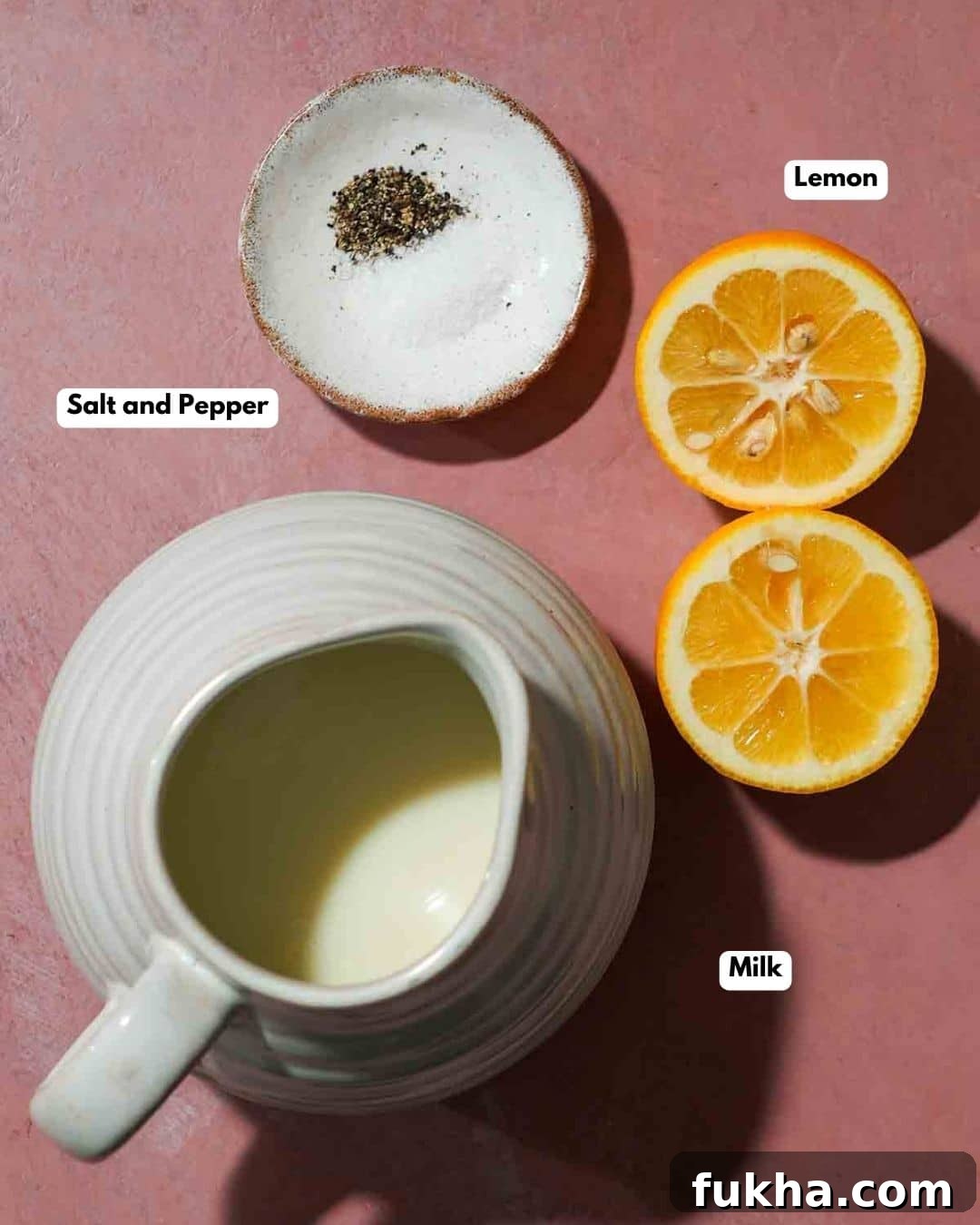
Full-Fat Whole Milk: Use full-fat whole milk (not ultra-pasteurized) for the best curd formation and texture. Ultra-pasteurized milks often fail to form proper curds.
Lemon Juice (or Vinegar): An acid is required to separate curds and whey. Fresh lemon juice adds a bright, subtle tang; white distilled vinegar works well too.
Salt and Pepper: Salt enhances the flavor; finish with black pepper to taste. Adjust seasoning before serving.
The exact ingredient amounts and full recipe card are included in the recipe section below.
Tips and Substitutions
- Choose good milk: Whole milk gives the best texture; avoid ultra-pasteurized varieties. Local or high-quality cartons yield a nicer flavor.
- Other acids: Lemon juice, white vinegar, or buttermilk can all be used. Any reliable acid will help the milk separate into curds and whey.
- Keep the whey: Don’t discard the leftover whey—use it in smoothies, soups, bread dough, or as a marinade liquid.
- Storage: Store fresh ricotta in an airtight container in the refrigerator for up to 3–5 days. Taste and adjust seasoning before serving.
How to Make Homemade Ricotta Cheese
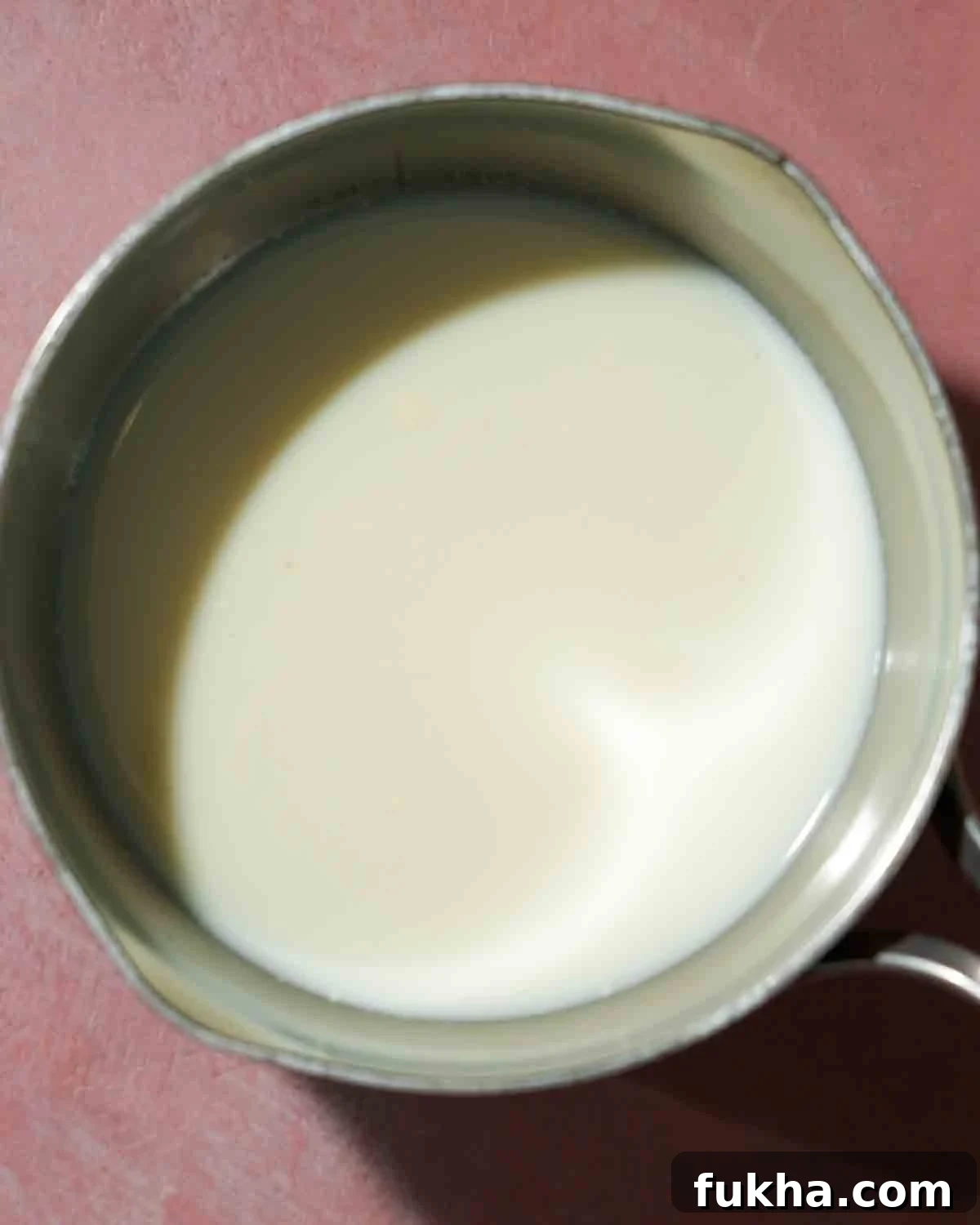
Step 1: Line a fine mesh strainer with several layers of cheesecloth and set it over a large bowl. Pour the milk into a large pot or heavy-bottomed saucepan.
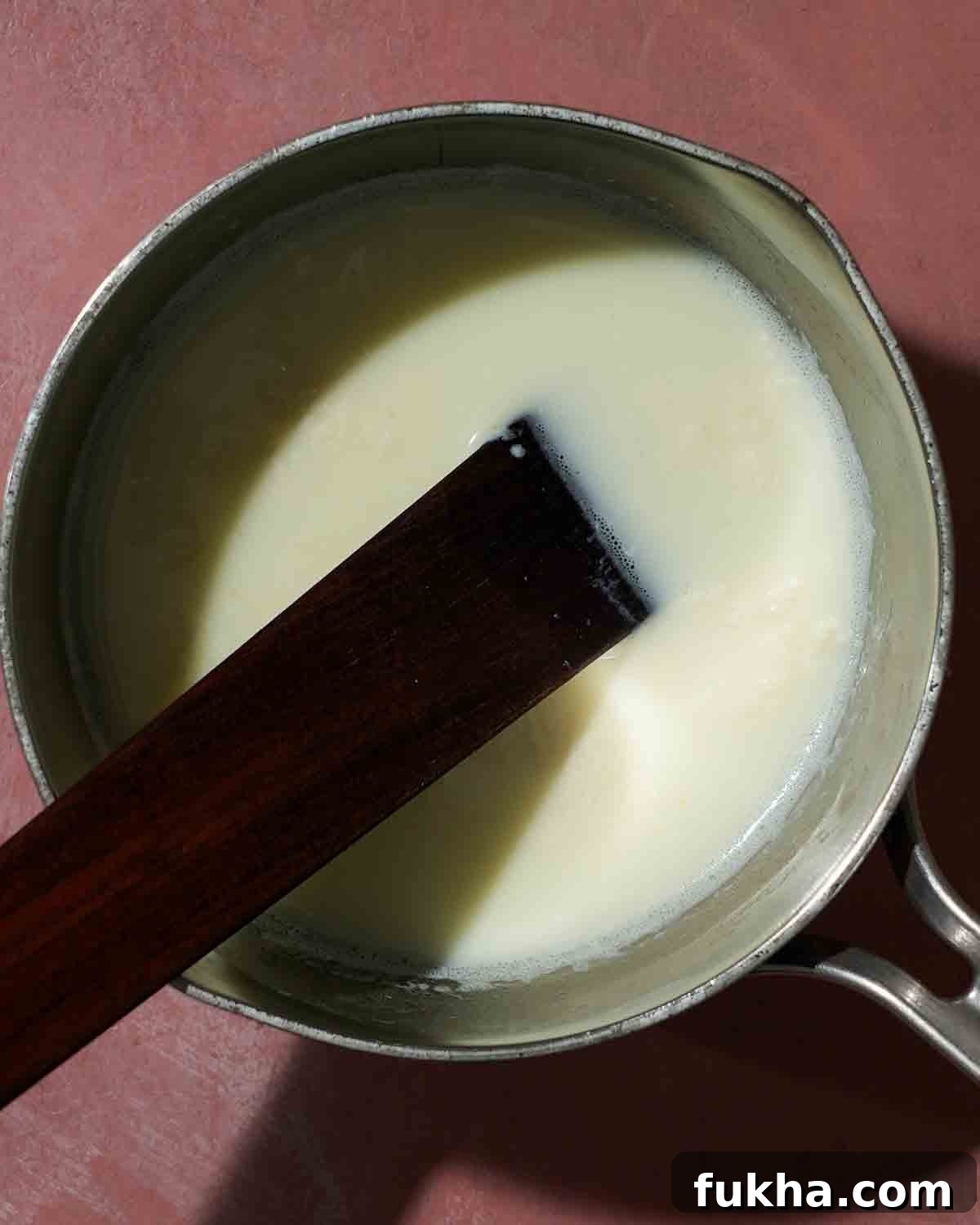
Step 2: Heat the milk over medium, stirring occasionally, until it reaches 185–190°F (85–88°C). A thermometer ensures accuracy. Once the target temperature is reached, remove the pot from the heat.
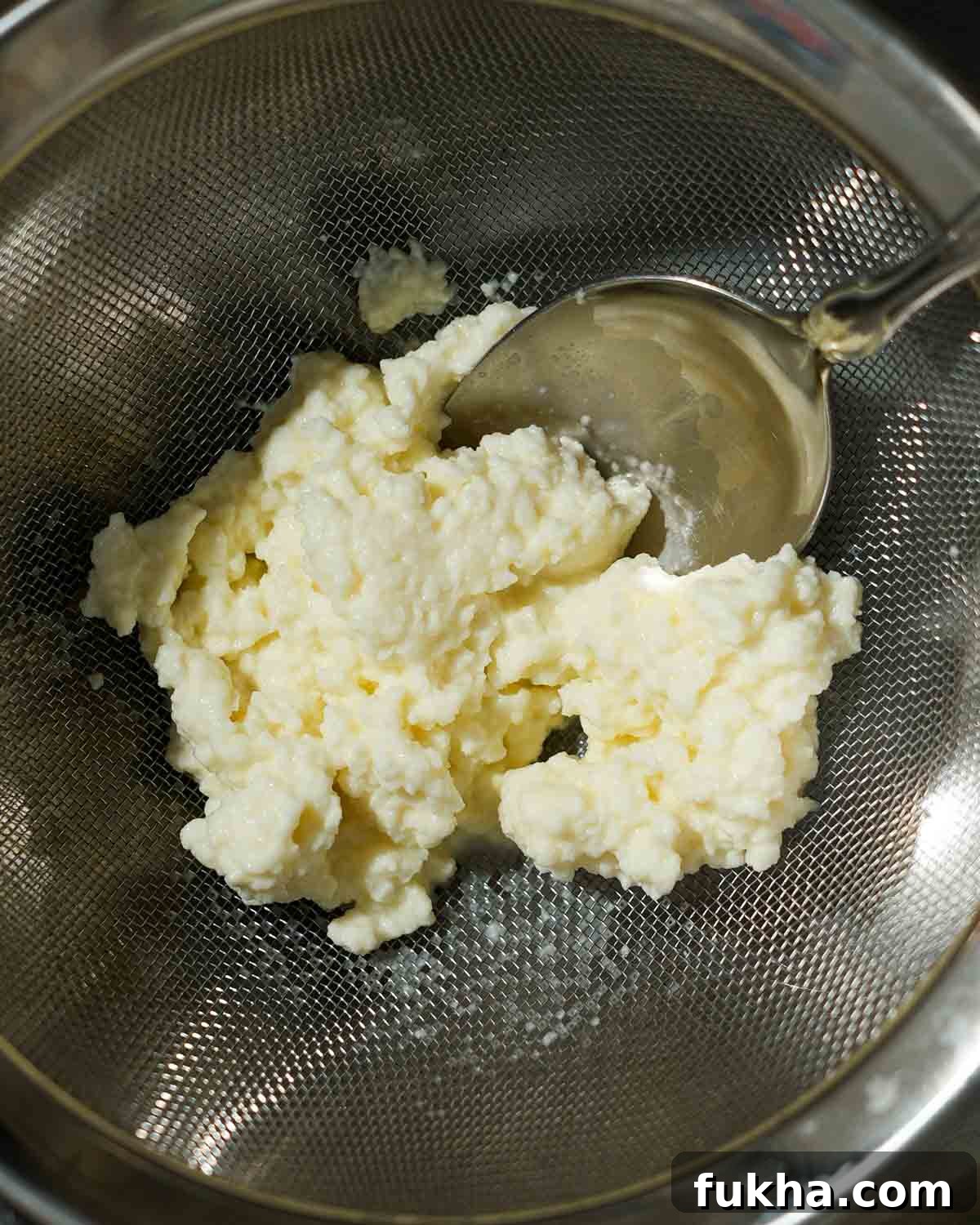
Step 3: Stir in the lemon juice and salt just a few times until combined. You should see curds forming and the whey separating. Let the mixture sit undisturbed, with the heat off, for about 15 minutes to allow curds to fully develop.
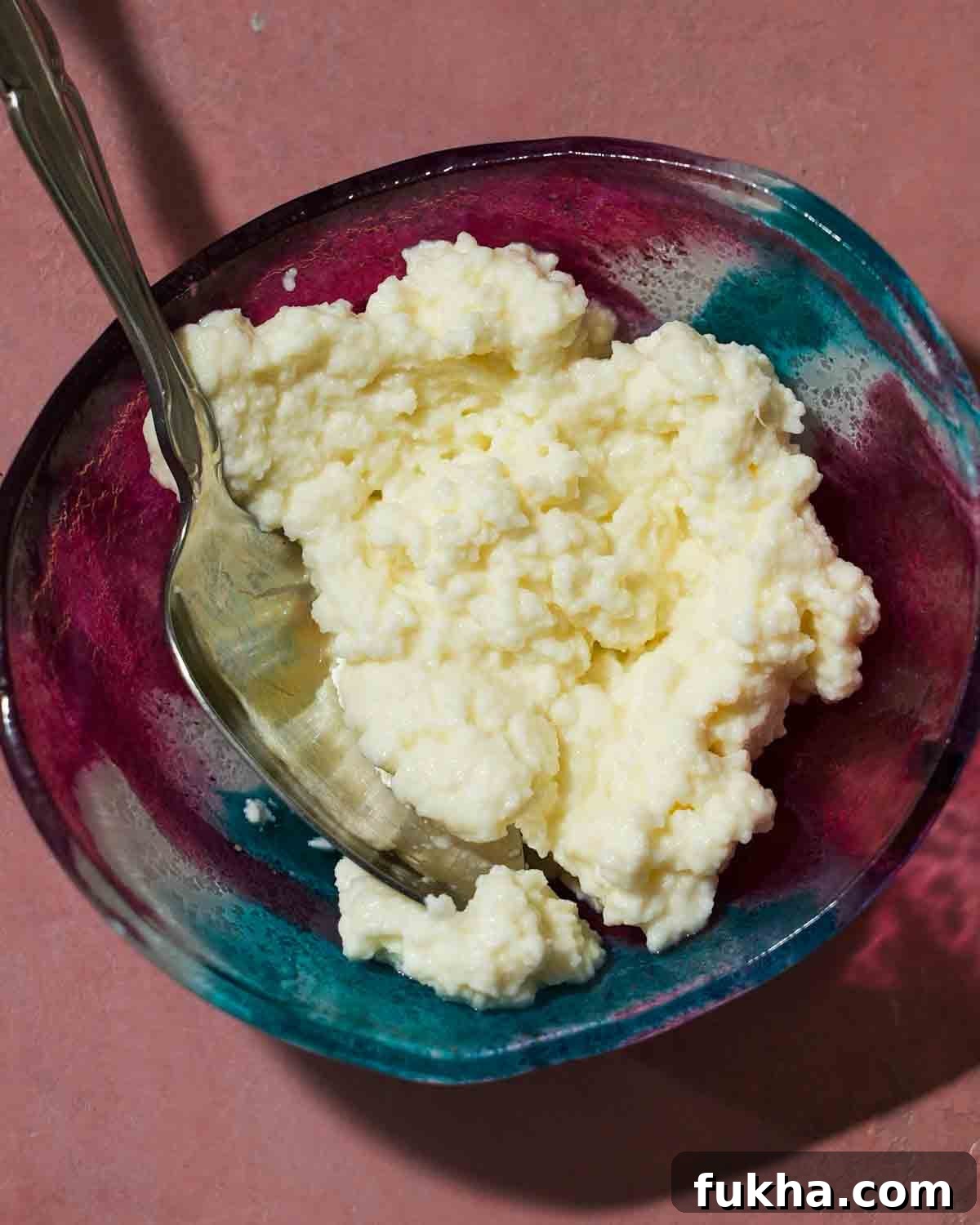
Step 4: Carefully ladle or pour the curds and whey into the prepared cheesecloth-lined strainer. Gather the cloth and loosely cover the curds. Let the ricotta drain for 10–15 minutes depending on how thick you prefer it. For creamier ricotta, drain less; for a drier, firmer ricotta, drain longer.
Serve the ricotta immediately, or transfer it to a covered container and refrigerate. It keeps well for several days—up to about 3–5 days is typical. Taste and adjust with extra salt, a squeeze of lemon, or fresh black pepper just before serving. Reserve the drained whey for use in smoothies, baked goods, soups, or marinades.
Full, precise measurements and a printable recipe card are included below in the recipe section.
Serving Recommendations
Fresh ricotta is exceptionally flexible. Here are a few serving ideas:
- Spoon onto toast with jam or honey for a quick breakfast or snack.
- Use it as a creamy filling for pasta dishes, lasagna, or stuffed shells.
- Top pizza or flatbreads for a soft, milky contrast to roasted vegetables or cured meats.
- Make sweet fritters or ricotta-based desserts by mixing with citrus zest, sugar, or spices.
- Stuff squash blossoms, mix into savory tarts, or dollop into salads and grain bowls.
Homemade ricotta is a simple way to elevate both everyday and special-occasion meals.
Homemade Ricotta Cheese FAQs
Yes. Homemade ricotta is straightforward to make and tastes noticeably fresher than most store-bought versions.
Stored in an airtight container, homemade ricotta typically keeps 3–5 days in the refrigerator. Always check smell and texture before using.
Overheating the milk or cooking at too high a temperature can make curds firm and rubbery. Heat gently and remove from heat at the recommended temperature for the best tender texture.
If curds don’t form, it’s often because the milk was ultra-pasteurized or the acid used wasn’t sufficient. Try using non-ultra-pasteurized whole milk and a fresh acid source like lemon juice or vinegar.
More Basics Recipes
Salads
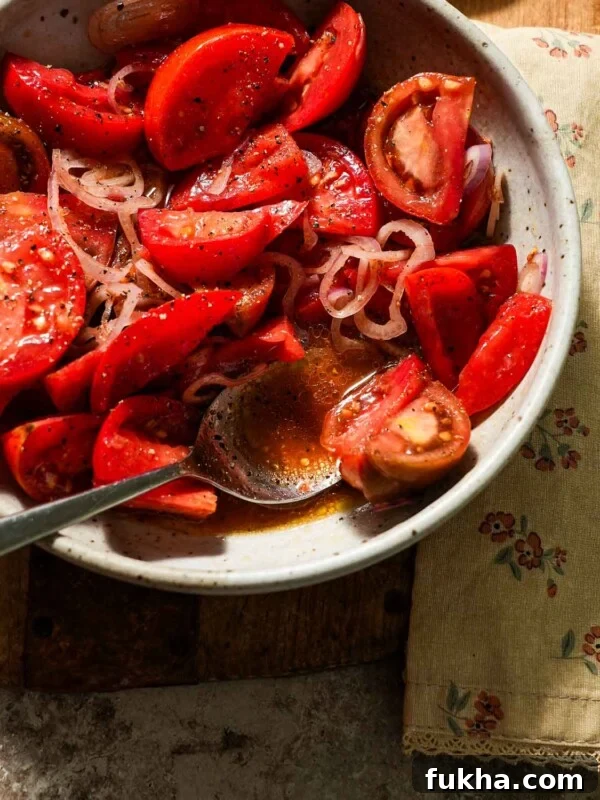
Easy Marinated Tomatoes (5 Minute Salad)
Sides
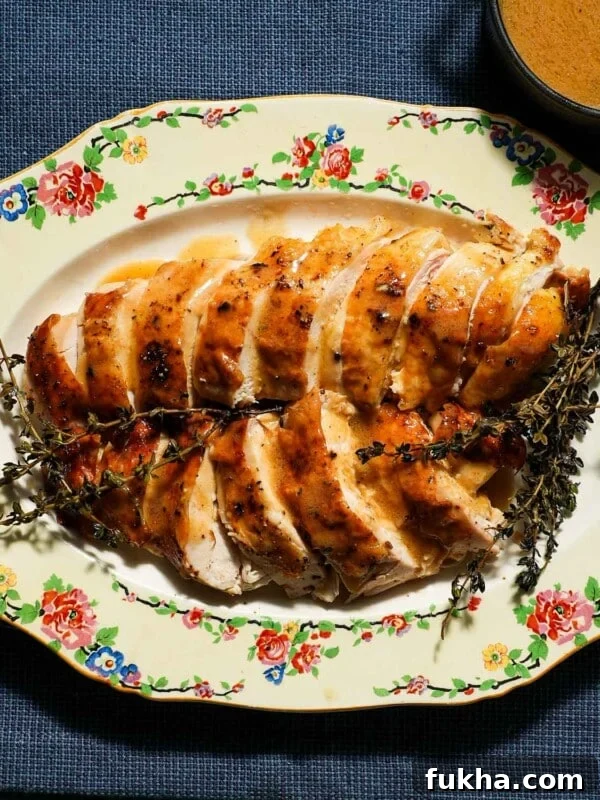
The Best Chicken Gravy (From Scratch)
Appetizers
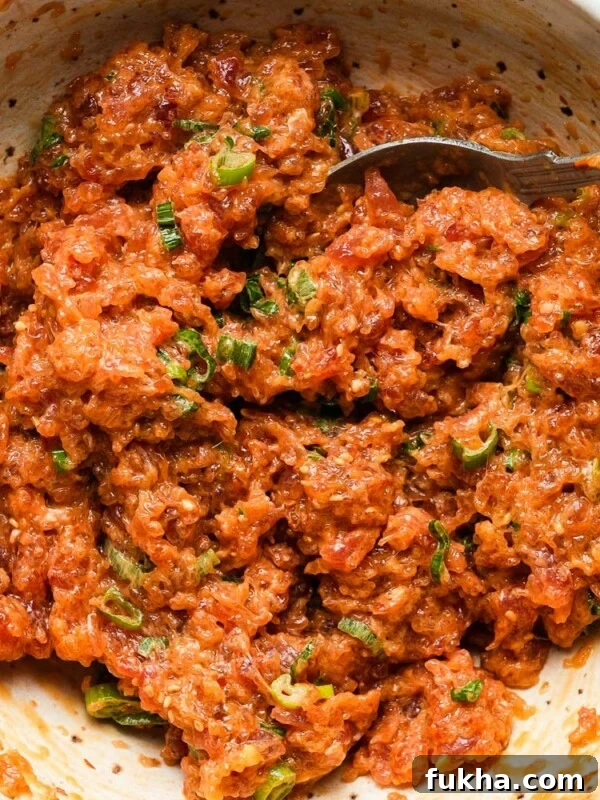
How to Make Spicy Ahi Tuna
Sides
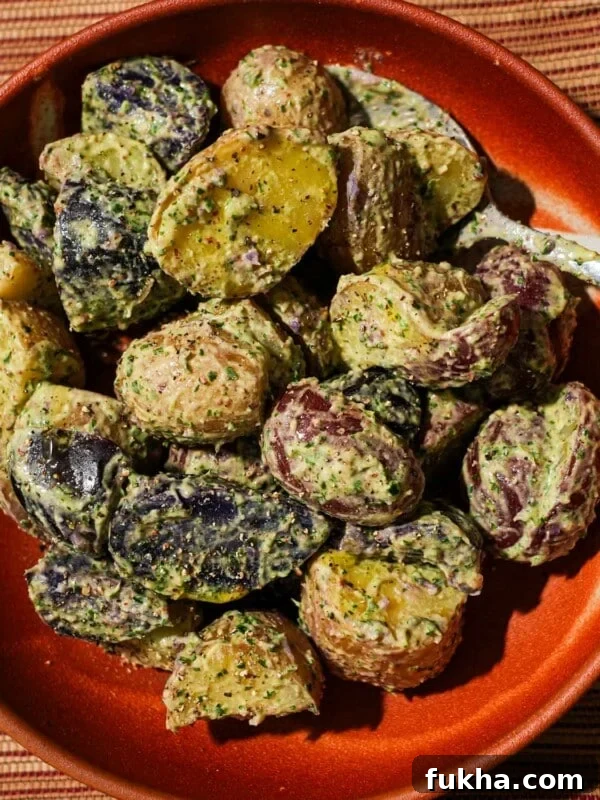
Easy Chimichurri Mayo Potato Salad
If you try this Homemade Ricotta, please leave a comment or rating. We love hearing how you use it in your kitchen and what dishes you pair it with.
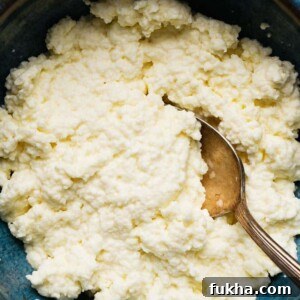
Homemade Whole Milk Ricotta Cheese (Step-by-Step Recipe)
Equipment
- Fine mesh strainer
- Cheesecloth
- Large pot or heavy-bottomed saucepan
Ingredients
- 1/2 gallon full-fat whole milk (not ultra-pasteurized)
- 1/4 cup freshly squeezed lemon juice (about 2 lemons)
- 1 teaspoon kosher salt
- Freshly ground black pepper, to taste
Instructions
- Line a fine mesh strainer with several layers of cheesecloth and set it over a large bowl.
- Pour the milk into a large pot and heat over medium, stirring occasionally, until it reaches 185–190°F (85–88°C). Remove from heat.
- Stir in the lemon juice and salt 3–4 times until combined. Curds should begin to form and whey will separate. Let sit undisturbed for 15 minutes.
- Ladle or pour the curds into the cheesecloth-lined strainer. Gather the cloth and allow the ricotta to drain for 10–15 minutes, depending on your preferred thickness.
- Transfer to a covered container and refrigerate if not using immediately. Adjust seasoning before serving. Save the whey for other uses.
Notes
- Milk quality matters: Choose whole milk that is not ultra-pasteurized for best curd formation and flavor.
- Acid options: Lemon juice or white distilled vinegar work well; buttermilk can also be used.
- Save the whey: Use it in smoothies, breads, soups, or marinades rather than discarding.
- Storage: Keep ricotta in an airtight container in the refrigerator for up to 3–5 days.
Nutrition
Nutrition information is an approximation.
- Calories: 3 kcal (per serving estimate)
- Carbohydrates: 1 g
- Protein: 0.1 g
- Fat: 0.04 g
- Sodium: 582 mg