Best food photography lenses for your needs: top choices for close-ups, flat lays, storytelling and commercial work at every budget.
When you’re starting in food photography, one of the first questions is: which lens should I buy? This guide breaks down the essentials—camera bodies, sensor formats, how lenses differ, and the best lens choices for food work—so you can make an informed purchase.
Start with the basics and decide what you want to shoot most: close-up details, overhead flat lays, table scenes or commercial packaging. That will drive your lens choices.
Camera Bodies
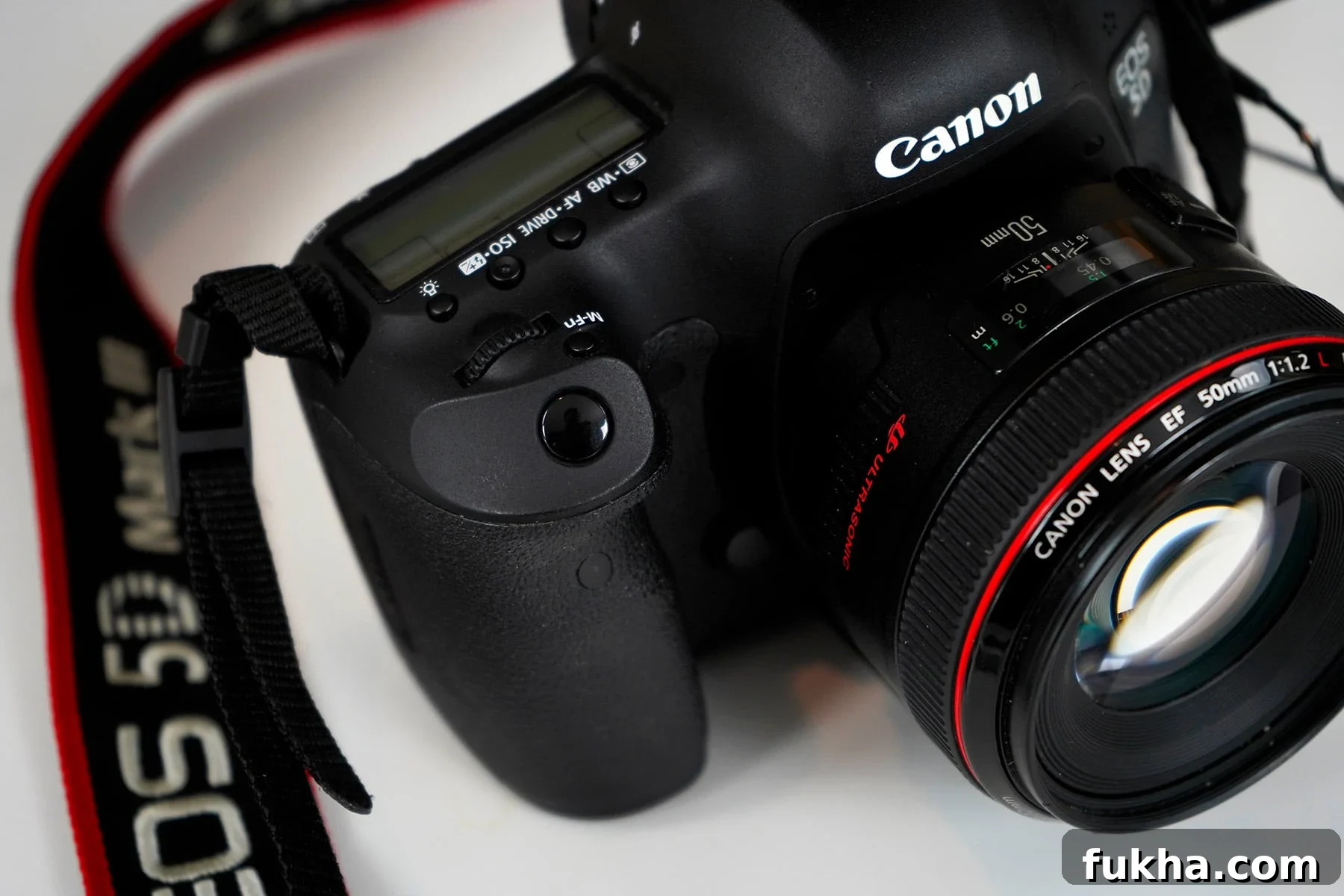
Choosing a camera body is also choosing a system—lenses are usually tied to a brand, and switching systems can be costly. Canon and Nikon are two of the most commonly used brands with long track records and wide lens ecosystems. Mirrorless brands such as Sony and newer Nikon Z bodies are also popular.
Third-party manufacturers like Sigma and Tamron offer excellent alternatives that often save money while delivering strong optical performance.
Cropped Sensor vs. Full Frame
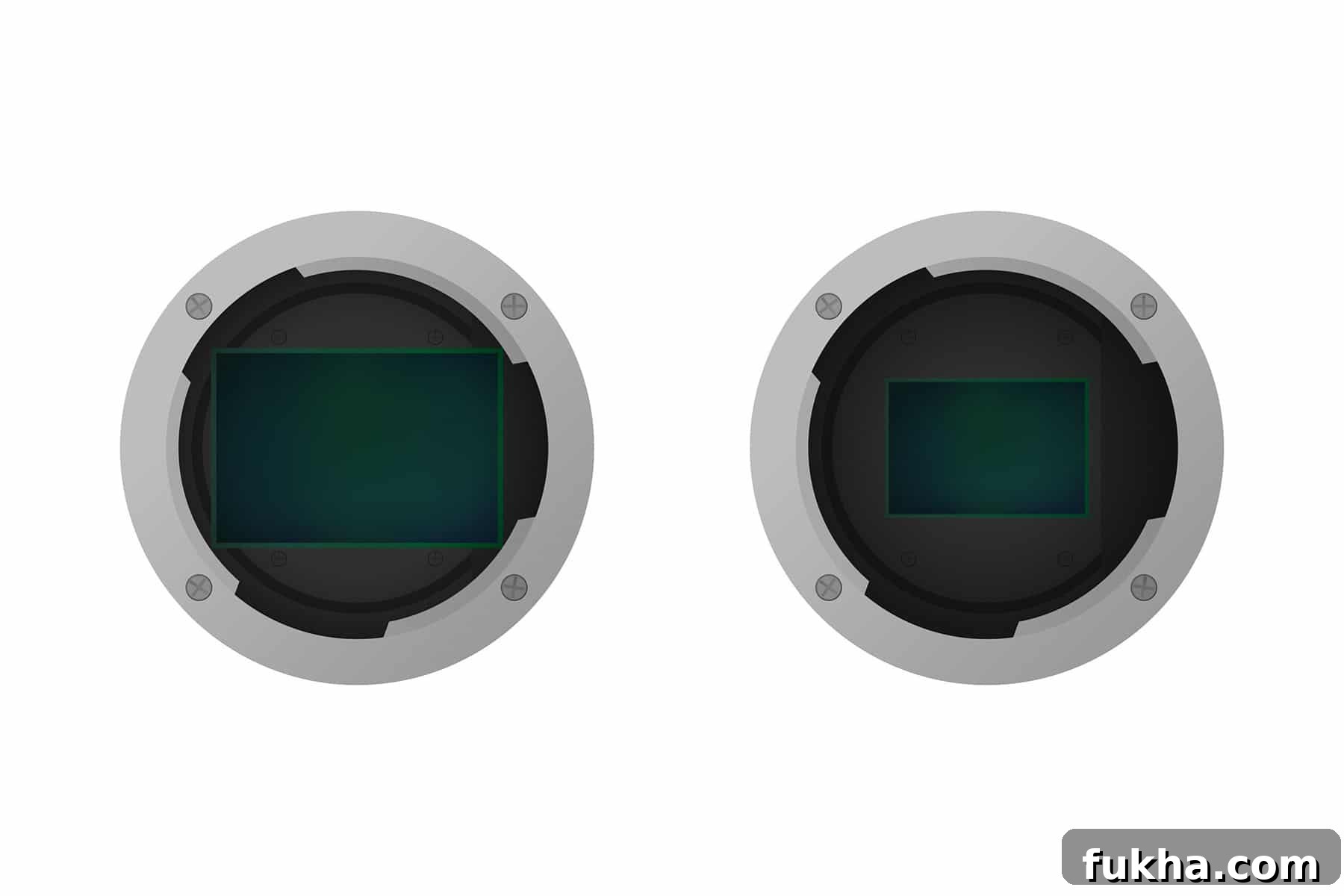
One key decision is sensor size. Full-frame sensors match the 35mm film standard and generally offer wider angles of view, better high-ISO performance and richer colors. Crop-sensor (APS-C) cameras are smaller and more affordable, but they narrow your field of view by a crop factor—typically about 1.5x for Nikon and 1.6x for Canon.
For example, a 50mm lens behaves like a 75–80mm lens on APS-C, reducing the wide-angle capability but increasing apparent reach—handy for tighter shots. Keep in mind some lenses are designed specifically for crop sensors and won’t cover full-frame bodies, so consider your long-term plans when buying lenses.
Understanding Lenses
When evaluating lenses, focus on three main factors: focal length, whether it’s a prime or zoom, and its maximum aperture.
Focal Length
Focal length (for example, 35mm, 50mm, 100mm) determines angle of view and magnification. Shorter focal lengths capture wider scenes; longer focal lengths narrow the view and magnify subjects. Choose focal length based on how much of the scene you need to include.
Prime vs. Zoom
Prime lenses have a fixed focal length and often deliver better sharpness and wider apertures for a lower price. Zooms let you change framing without moving the camera, which is useful on a tripod or when composing quickly. High-quality zooms tend to be more expensive.
Aperture (Lowest f-number)
Aperture controls depth of field and light-gathering. Lower f-numbers (f/1.8, f/1.4) give a shallow depth of field and creamy background blur—useful for stylistic food portraits—while higher numbers increase depth of field for flat lays and product shots.
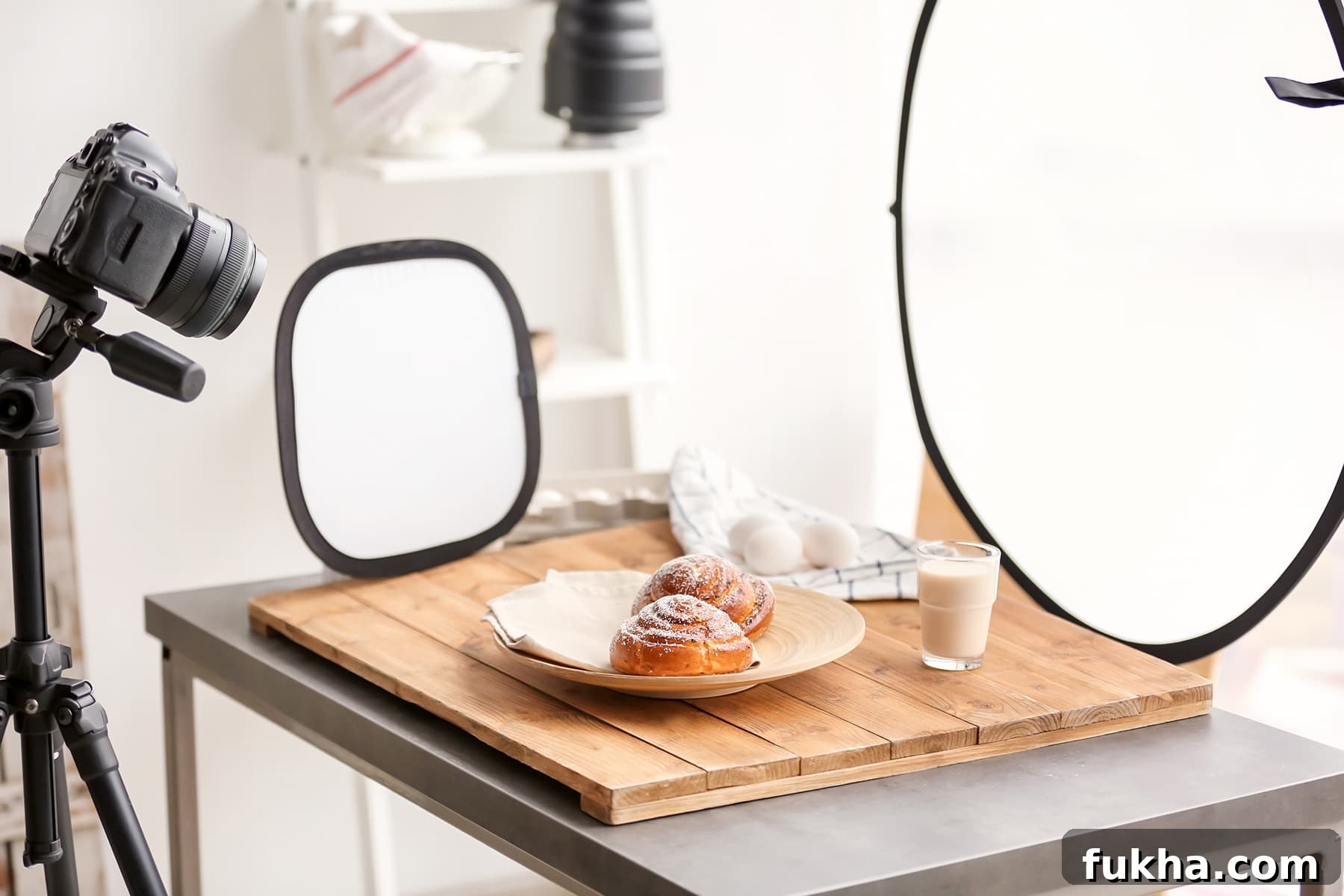
Best Lenses for Food Photography
Below are practical lens recommendations covering a range of budgets and shooting styles.
1. Canon EF 50mm f/1.8 STM (the “nifty fifty”)
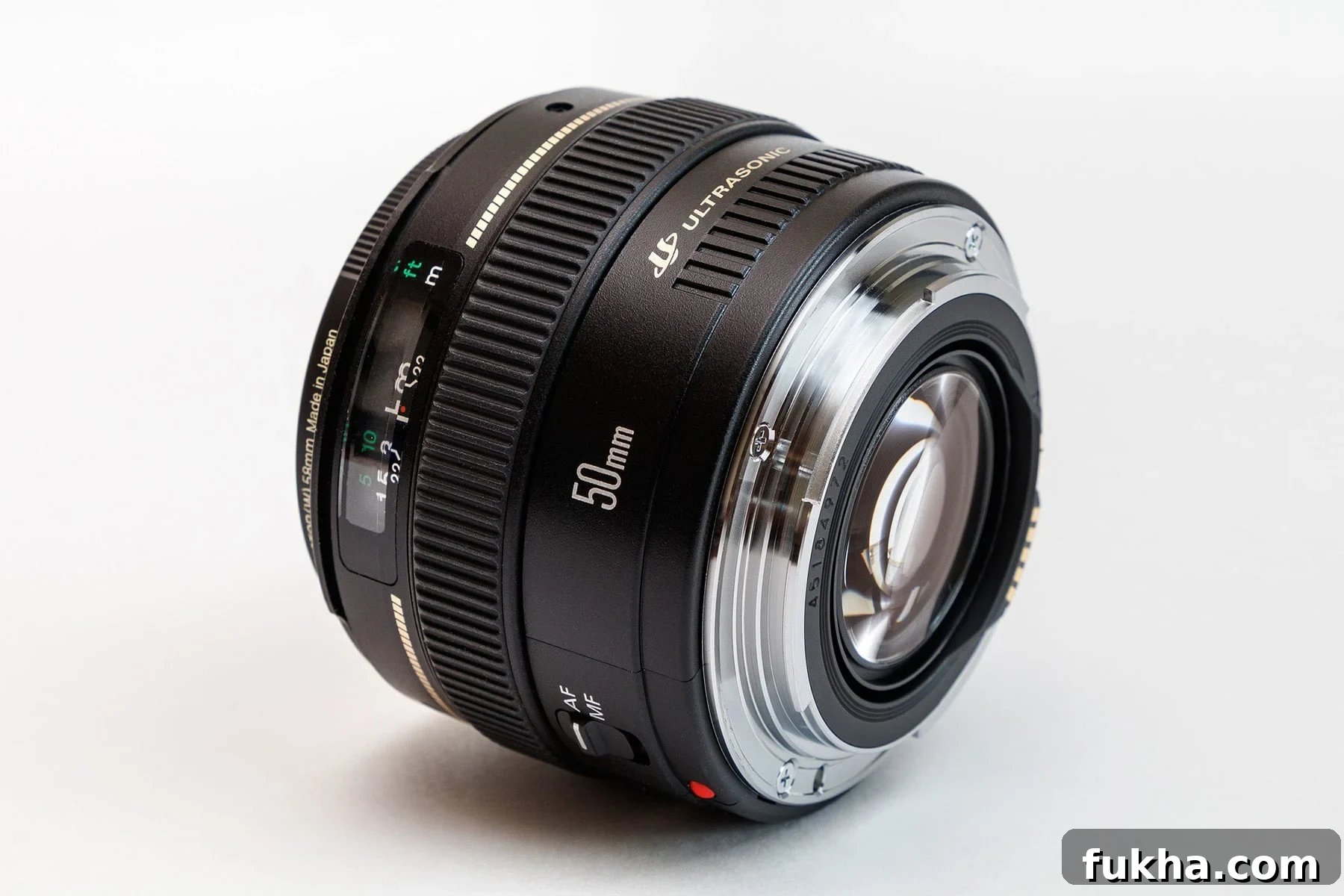
Equivalents: options exist for Nikon, Sony and third-party makers. The 50mm primes are generally the most affordable entry into fast glass.
Why it’s useful: compact, lightweight and budget-friendly, the 50mm f/1.8 produces pleasing background blur and sharp results—great for low light, storytelling shots and many tabletop compositions. It’s an ideal first upgrade after your kit lens.
Use it for: low-light restaurant shoots, portraits of dishes, shallow depth-of-field details and some tight flat-lays.
2. Canon EF 24-70mm f/2.8L II USM (standard professional zoom)
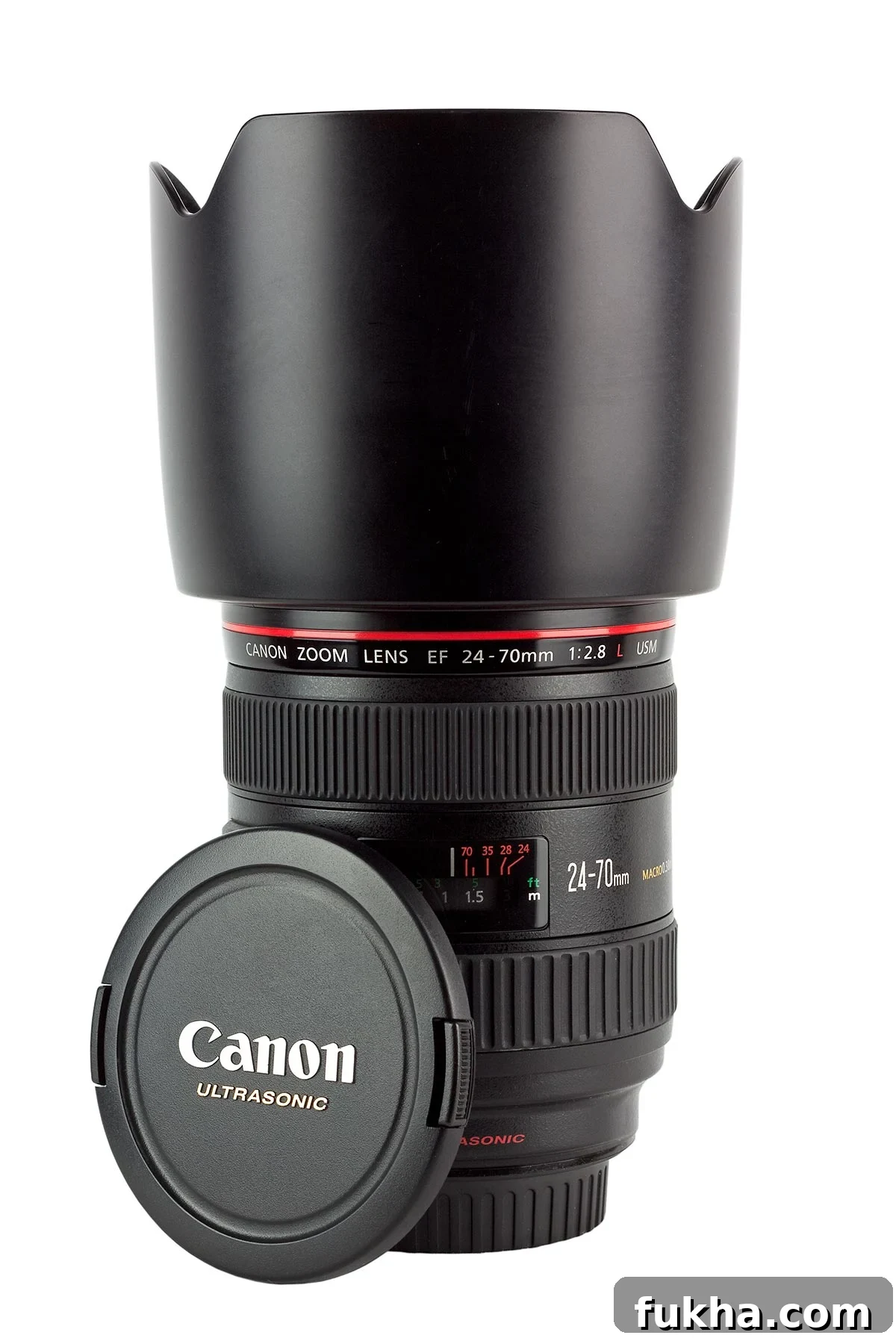
Why it’s useful: this versatile zoom covers wide to short-telephoto focal lengths with a constant f/2.8 aperture. It’s sharp, reliable and lets you reframe quickly without moving the camera—handy on a tripod or in fast-paced commercial shoots.
Use it for: general-purpose food photography where flexibility matters—table scenes, portraits, and mixed setups. High-quality zooms are heavier and pricier, but they save time and gear changes.
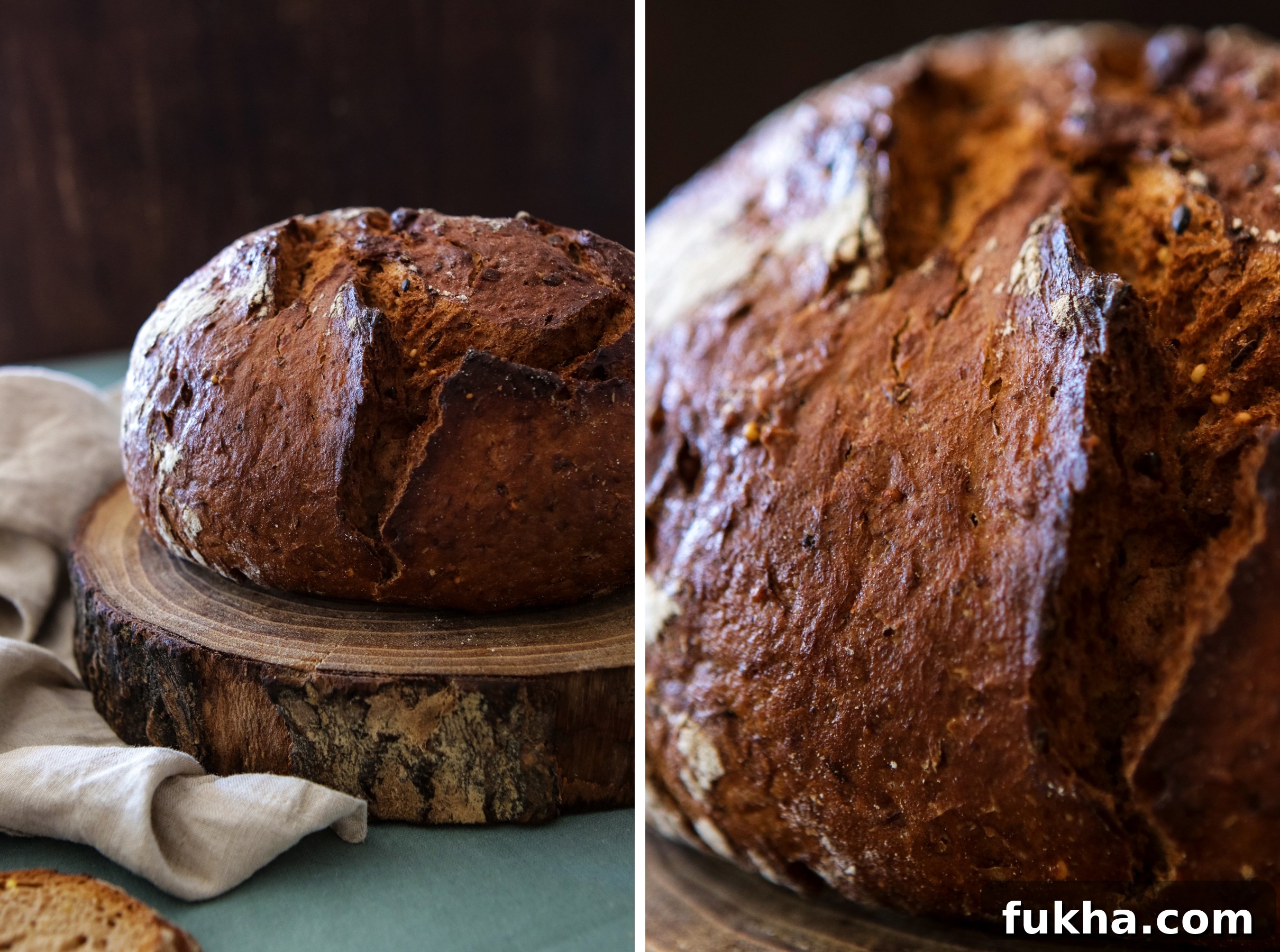
3. Canon EF 35mm f/2 IS USM (wide prime)
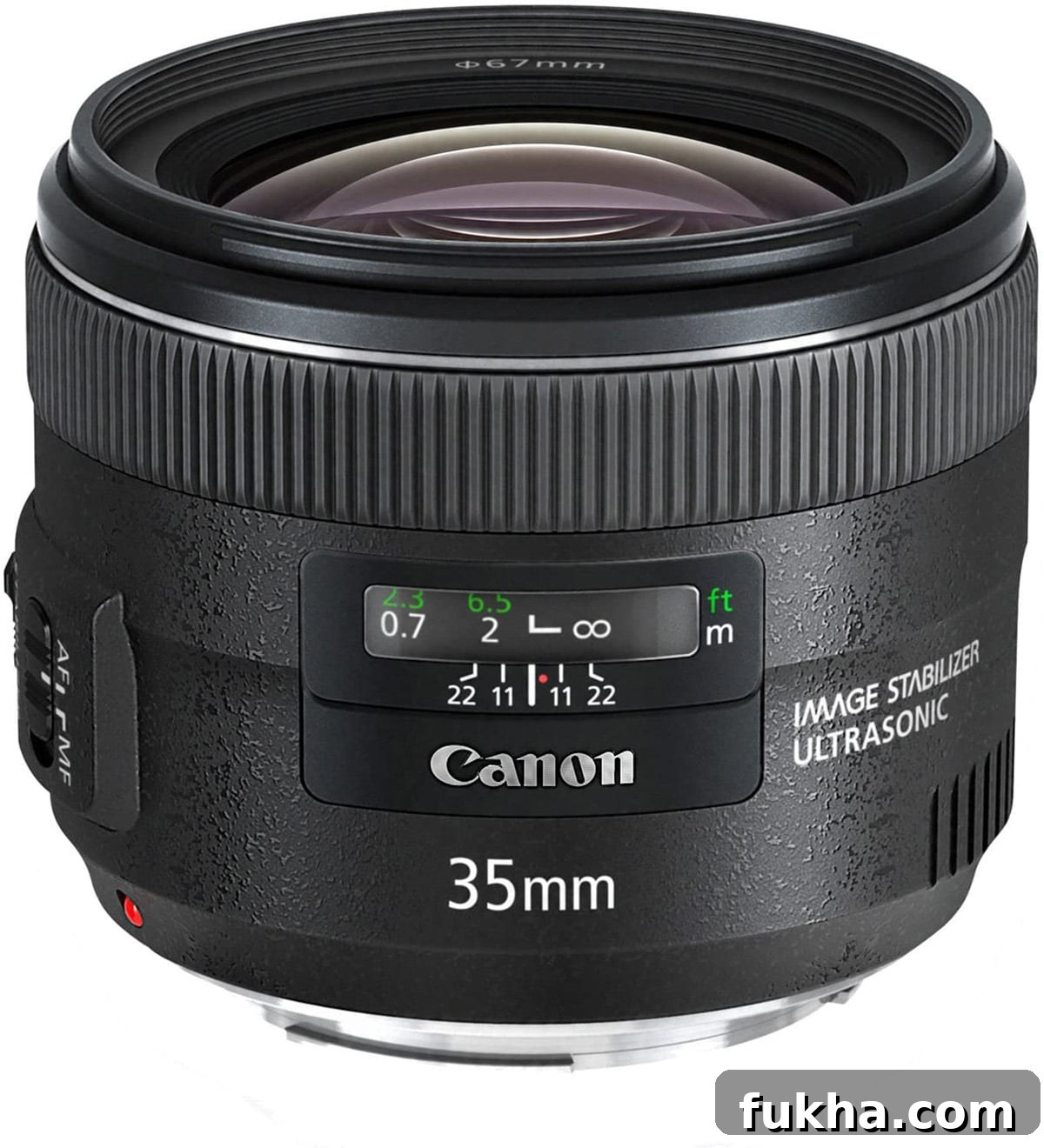
Why it’s useful: a 35mm prime is great for wider table scenes and overhead flat lays, especially on full-frame bodies. It offers good image quality, often includes image stabilization on newer models, and performs well in tighter spaces.
Use it for: large flat lays, editorial table spreads and lifestyle scenes where you need to capture more environment.
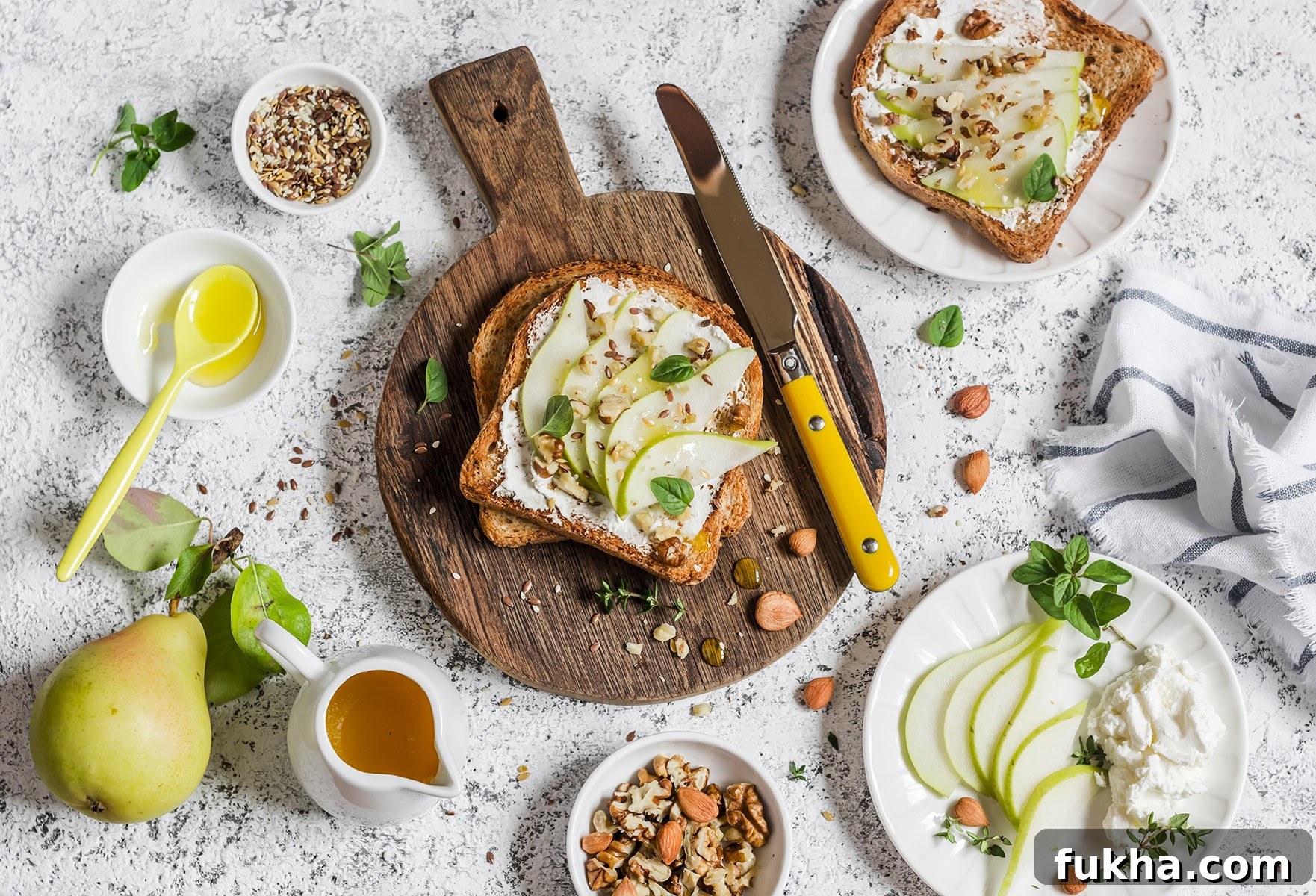
4. Canon EF 100mm f/2.8L IS USM Macro
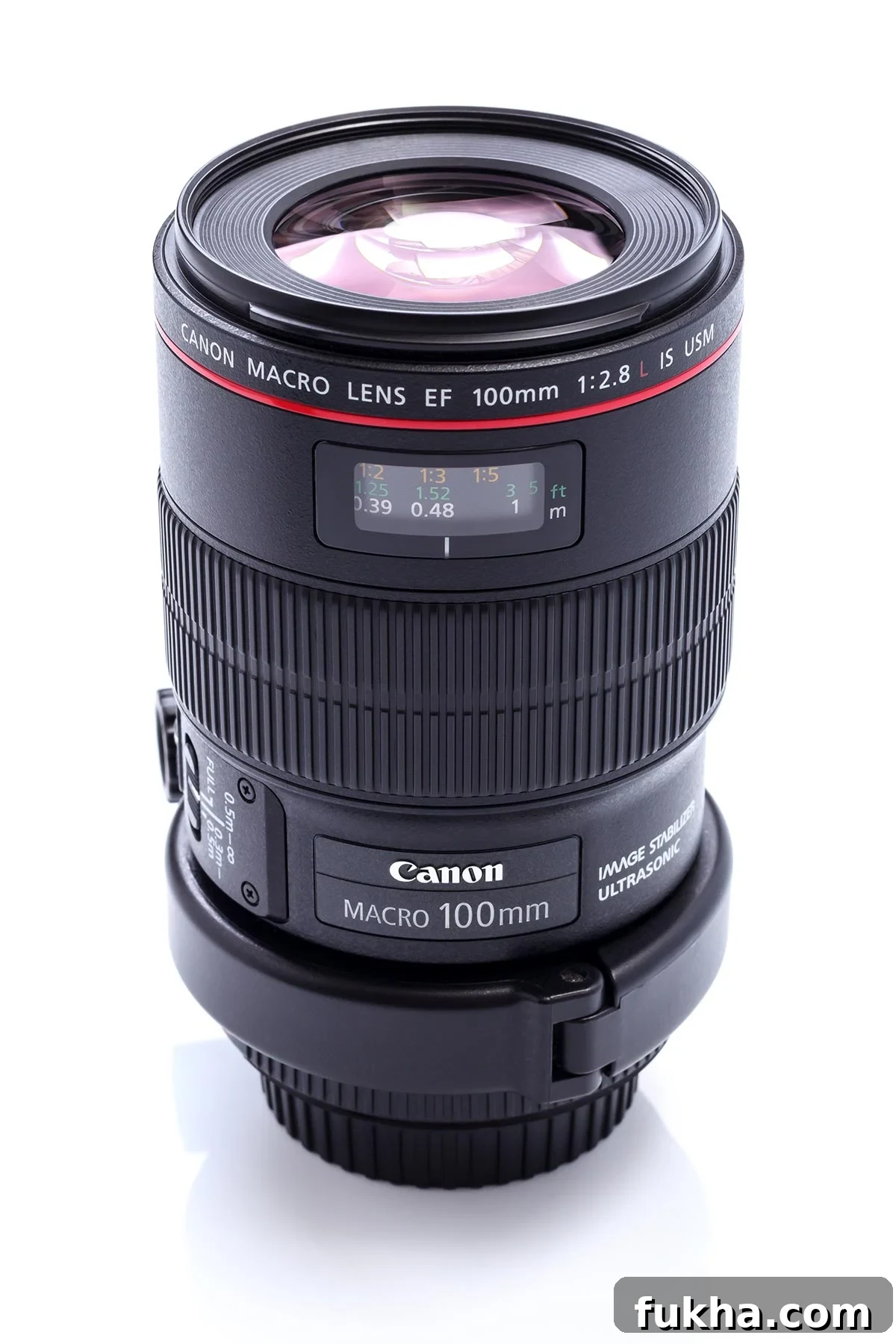
Why it’s useful: macro lenses let you focus very close for detailed shots—crumbs, condensation, textures and tiny garnishes. This focal length also compresses perspective pleasingly and yields excellent sharpness. Built-in stabilization helps with hand-held shooting.
Use it for: close-up detail shots, tight 45-degree angles and product-style imagery where texture matters.

5. Tilt‑shift lens (Canon TS‑E 24mm f/3.5L II or similar)
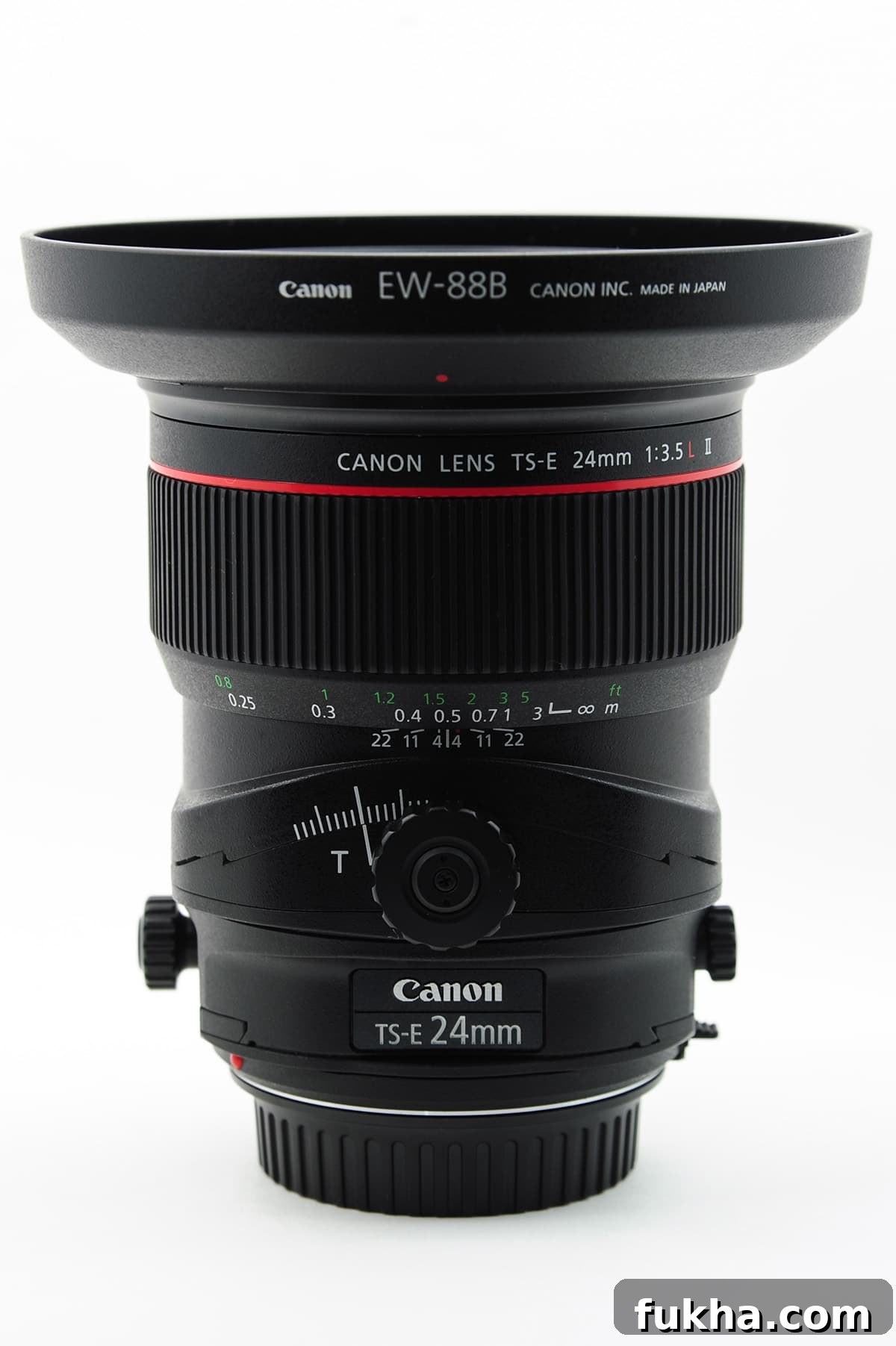
Why it’s useful: tilt‑shift lenses give precise control over plane of focus and perspective correction. They’re excellent for commercial shoots, packaging photography, and situations where you need selective focus or to avoid converging lines without digital correction.
Use it for: commercial and product photography that demands exacting control, or creative selective-focus effects. These lenses are specialized and take time to master.
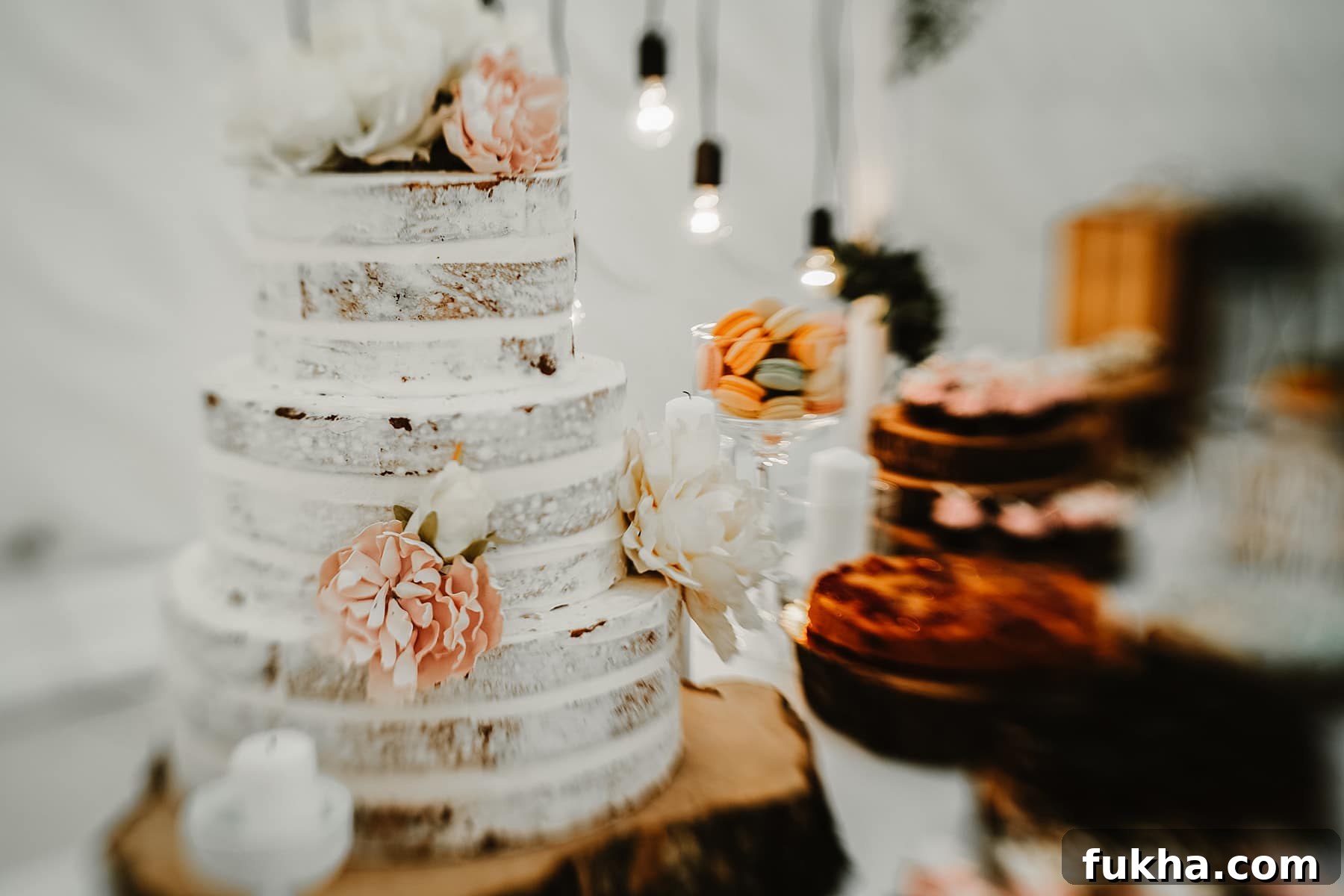
Each lens serves a purpose. If you can buy only one, a 50mm prime is a highly effective starter. If budget and space allow, adding a 24–70mm zoom and a macro gives you flexibility for nearly any food shoot. A 35mm or tilt‑shift lens round out options for wide scenes and commercial work.
Renting lenses before buying is a smart way to test how a focal length and weight suit your shooting style.
Where to Learn More
Great food photography blends equipment knowledge with composition, color and styling. Practice, study lighting and color theory, and learn composition techniques to improve results quickly. Courses and focused tutorials can accelerate the learning curve by organizing tips, recipes and shooting workflows into practical lessons.
What gear do you use for your food photography? Which lenses are in your kit? Share your setup and experiences in the comments.