Three-Point Push-Up: What It Is and Why It Works
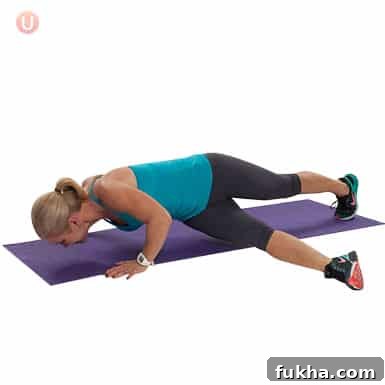
The Three-Point Push-Up is a smart variation of the traditional push-up that adds a twisting element to engage your obliques and challenge your stabilizer muscles. It still delivers the familiar benefits of standard push-ups—strengthening the chest, shoulders, and arms—but by sliding one leg under the body as you lower, you recruit more of your core and side-body muscles. This makes the move an efficient, equipment-free option for building upper-body strength while tightening the waistline and improving overall core stability.
Benefits
Incorporating the Three-Point Push-Up into your routine provides several advantages:
- Improves core strength and anti-rotational control by targeting obliques and transverse abdominis.
- Builds upper-body pressing strength in the chest, shoulders, and triceps.
- Activates the lats and side-body muscles for a more balanced upper-body workout.
- Requires no equipment and transfers easily into home or travel workouts.
- Offers a variation that increases the challenge for anyone who has mastered standard push-ups.
How to Perform the Three-Point Push-Up
Follow these clear steps to do the Three-Point Push-Up with good form. Focus on controlled movement and breathing throughout the exercise.
- Start in a high plank position with your hands beneath your shoulders, legs extended long behind you, and your body forming a straight line from head to heels.
- Begin bending your elbows and lower your chest toward the floor. As you descend, slide your right leg under your body so the thigh or shin moves beneath you while keeping that leg slightly lifted off the ground. Maintain a neutral spine and steady neck alignment.
- Engage your abdominal muscles and press through your palms to push your chest back up to the starting position, returning your right leg to its original long position behind you.
- Repeat the movement on the left side by sliding the left leg under the body as you lower and then returning it as you push up. One right-and-left sequence counts as one full repetition.
- Continue alternating sides for the desired number of repetitions, focusing on form rather than speed.
Modifications and Progressions
If the full Three-Point Push-Up is too demanding at first, try a modified version by performing the movement from your knees. Keep the same leg-slide pattern but reduce the load on your upper body until your strength improves. For a progression, slow down each rep to increase time under tension, or add a pause at the bottom of the movement to boost core engagement.
Common Form Tips
- Keep your body in a straight line and avoid sagging or piking at the hips.
- Maintain a neutral neck; look slightly ahead rather than tucking the chin or craning upward.
- Control the slide of the leg so the twist comes from your core, not from forcing the hip.
- Aim for elbows to bend close to 90 degrees during the descent to maximize muscle engagement safely.
Adding the Three-Point Push-Up to your training brings variety and a functional twist to a classic move. Whether you want to strengthen your core, sculpt your side body, or elevate your push-up practice, this variation is an effective and accessible option.
Targets: chest, arms, shoulders, core