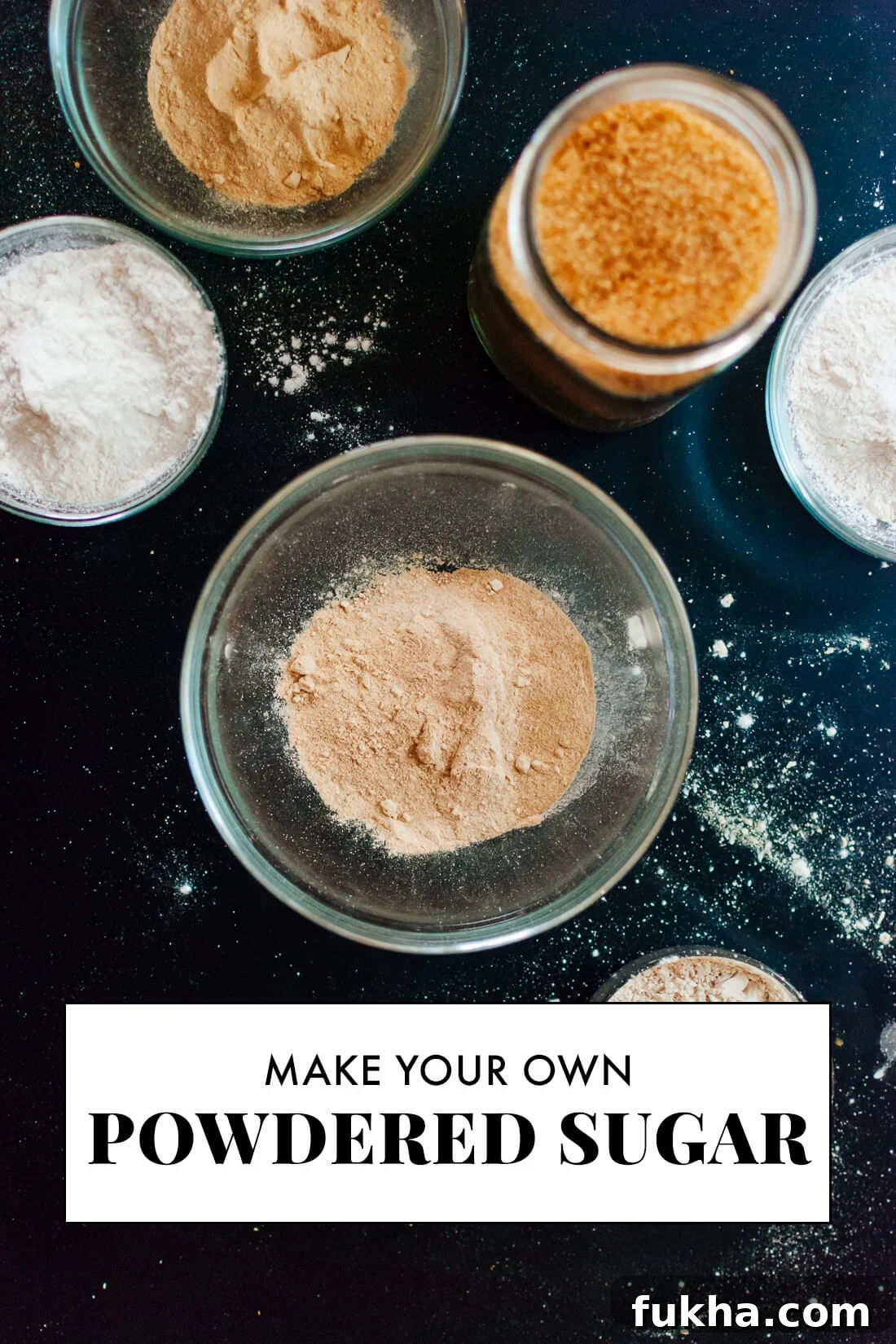
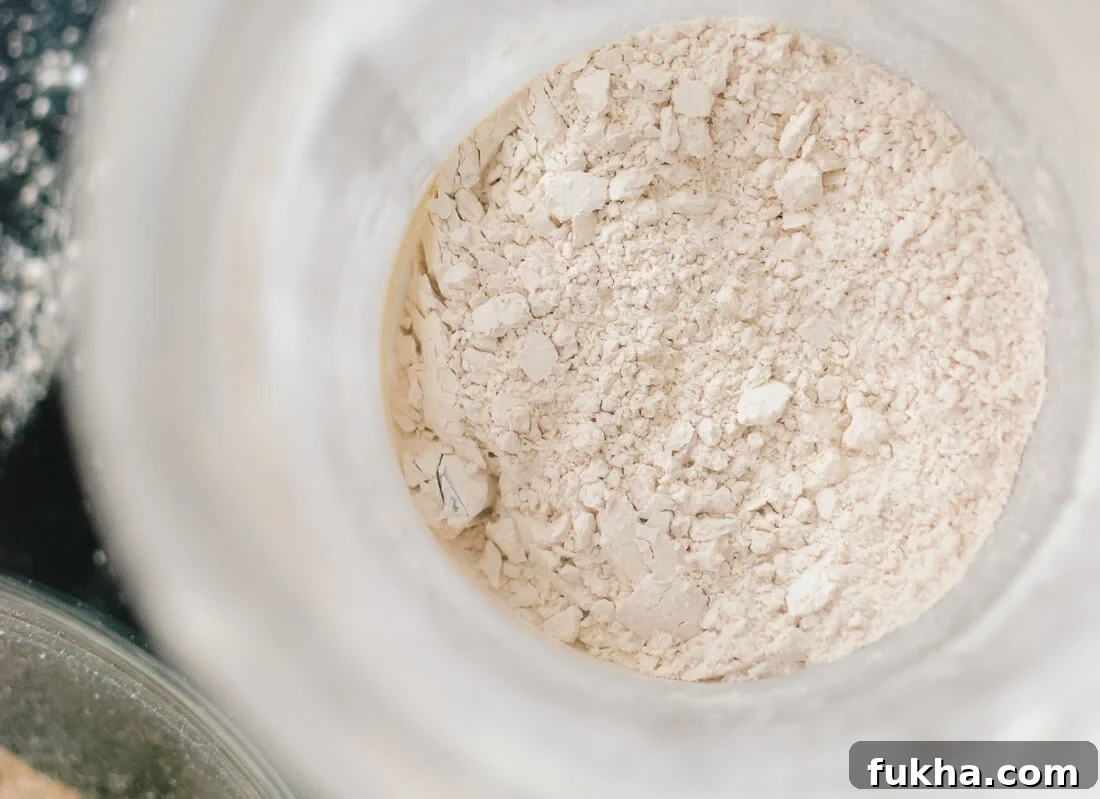
Today I’m sharing an easy tutorial for making your own powdered sugar at home. With a reliable blender or food processor, you can turn granulated sugar into a fine, fluffy confectioners’ sugar in just a few minutes. Homemade powdered sugar is convenient, customizable, and avoids the anti-caking additives commonly found in store-bought varieties.
I grew up calling it powdered sugar, though you may see it labeled as confectioners’ sugar or icing sugar. My grandmother’s frostings always used freshly ground sugar, and that soft texture is what I aim for in this simple tutorial.
Commercial powdered sugar often contains cornstarch to prevent caking, but when you make it to order at home you can skip that ingredient. The result is a cleaner-tasting sugar that works beautifully for glazing, dusting, and making frostings.
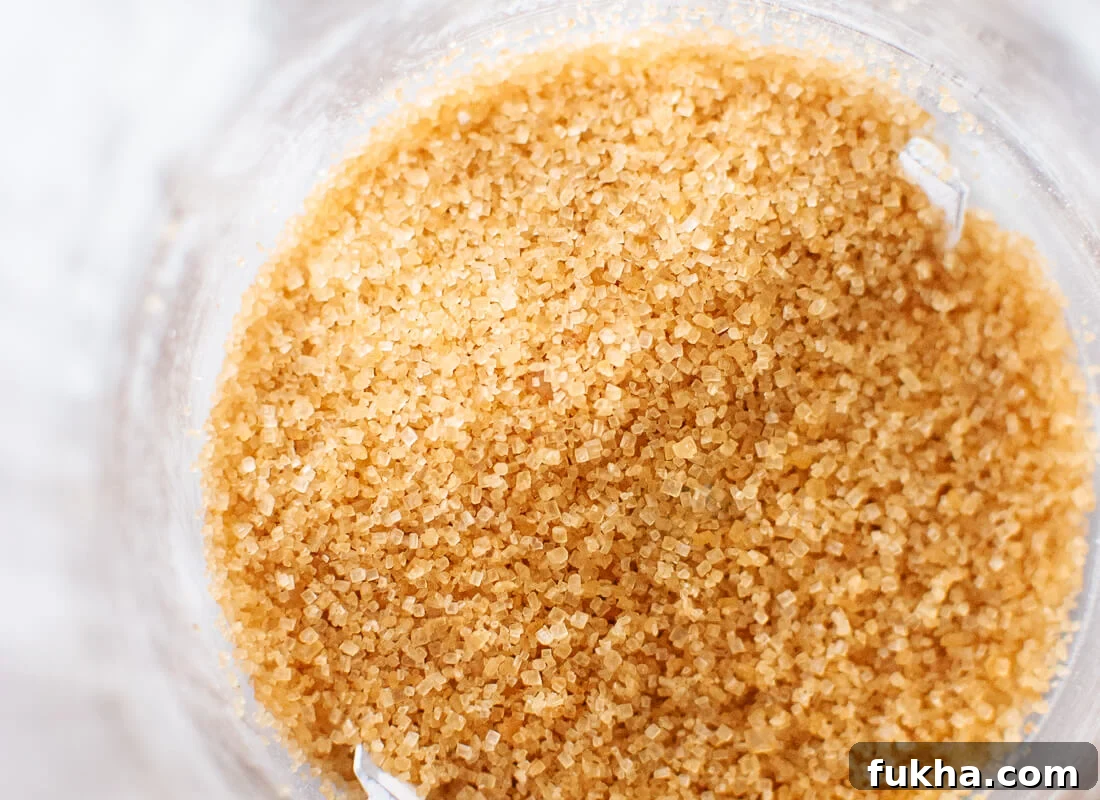
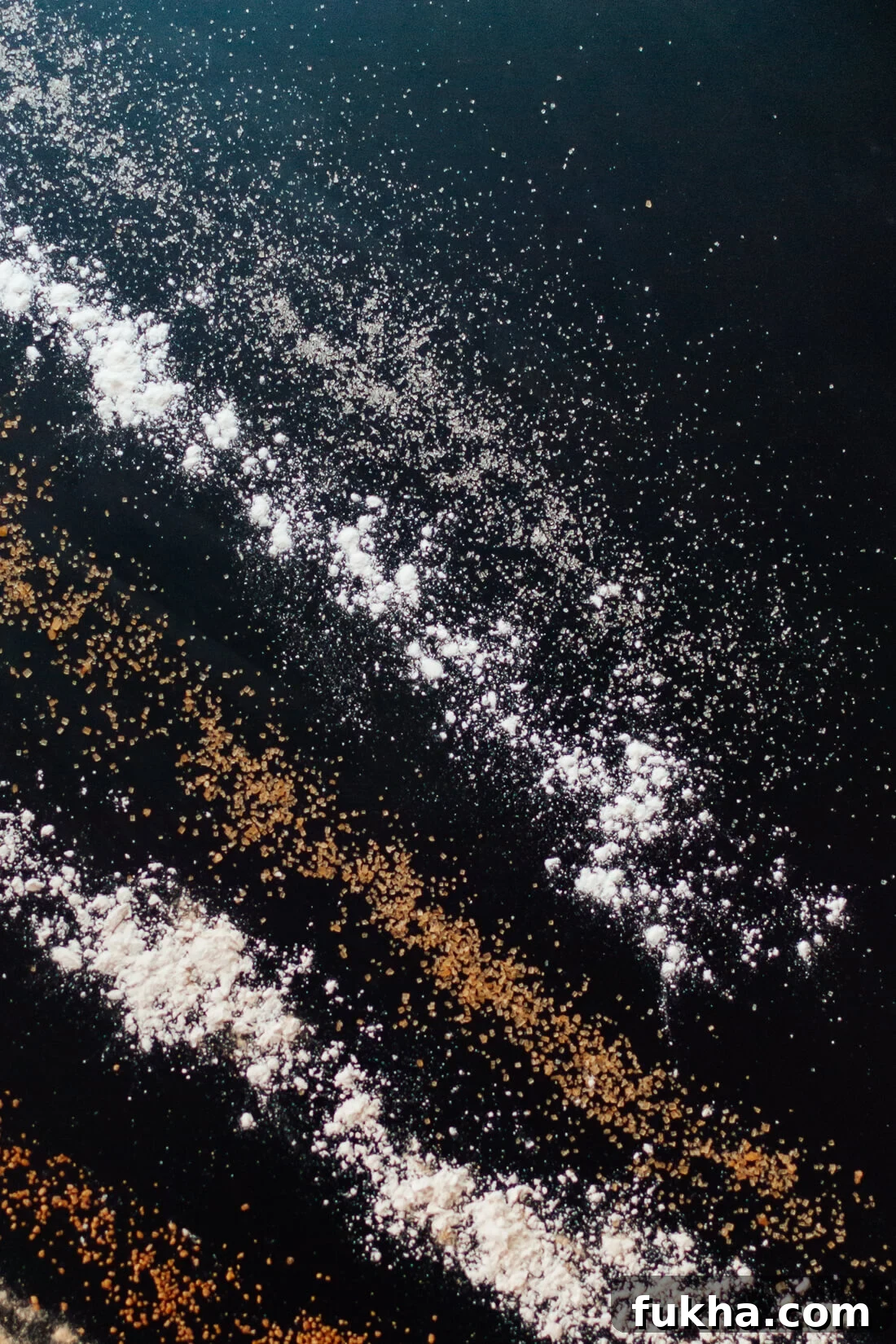
Plain white granulated sugar yields the lightest, palest powdered sugar and usually produces the fluffiest texture. If you prefer less refined options, alternatives such as coconut sugar or turbinado sugar can be used—each will give slightly different flavors and color. Coconut sugar contains trace minerals like iron and zinc that don’t exist in typical white sugar, and turbinado sugar lends a hint of molasses character. Brown sugar will produce a darker, moister powder that can work in specific applications, but it won’t be as light and airy as white sugar.
Uses for Powdered Sugar
Powdered sugar is wonderfully versatile. A few common uses include:
- Dusting over cakes, cookies, pancakes, and pastries for a delicate finish
- Making glazes and simple icing for quick desserts and sweet breads
- Preparing frostings such as classic cream cheese frosting for carrot cake, banana cake, or gingerbread
- Sweetening whipped cream gently so it holds structure
- Making decorative drizzles or a light coating for scones and muffins
How to Make Powdered Sugar
- Author: Kathryne Taylor
- Prep Time: 3 minutes
- Cook Time: 0 minutes
- Total Time: 3 minutes
- Yield: Varies (see notes)
- Diet: Vegan (depending on sugar choice)
Making powdered sugar at home is fast and flexible. Use whatever granulated sugar you have on hand — cane sugar, turbinado, coconut sugar, and even unrefined sugars can be transformed into a powdered form. Roughly speaking, one cup of granulated sugar will produce about two cups of powdered sugar, but yield can vary by sugar type and how finely it’s processed.
Ingredients
- Approximately half as much granulated sugar as the amount of powdered sugar you need (one cup granulated yields about two cups powdered). Best results are with cane sugar, turbinado, or coconut sugar; brown sugar and sucanat will also work but produce a darker, moister powder.
Instructions
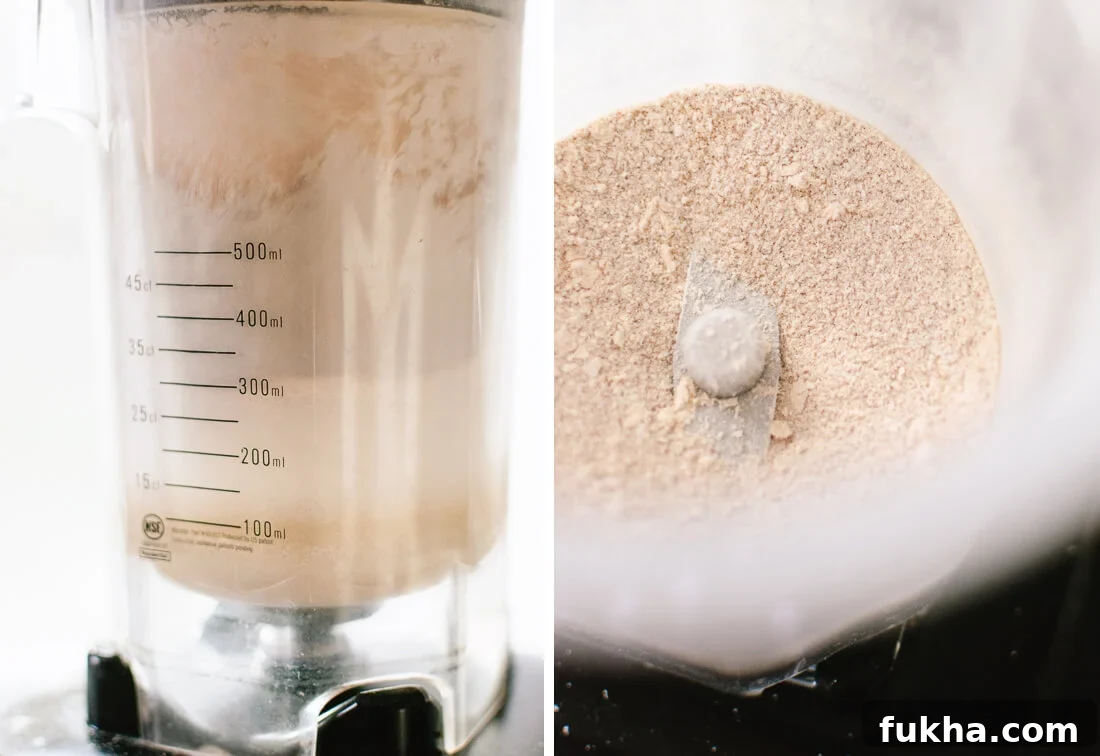
- Measure the granulated sugar and add it to a blender or food processor. Fill the container no more than halfway to give the sugar room to move and aerate.
- Pulse or blend on high for 30–60 seconds, stopping to check texture. Continue blending until the sugar is fine and appears fluffy. For the whitest, fluffiest result, use refined white granulated sugar.
- Optionally sift the powdered sugar through a fine-mesh sieve to remove any remaining larger grains or clumps. Sifting yields a silky, clump-free product ideal for icing and frosting.
- Use the powdered sugar immediately, or transfer it to an airtight container and store in a cool, dry place for several weeks. If you notice clumping, quickly re-sift before use.
Notes
Yield guidance: One cup granulated sugar generally yields about two cups powdered sugar. Yield varies with sugar type and how finely you process it.
Vegan option: If you want vegan powdered sugar, choose sugar that is labeled vegan or that you know has not been filtered with bone char.
Texture tips: Extremely short bursts help prevent overheating the motor and keep the sugar moving. If your blender struggles, work in smaller batches.
Preventing clumps: Because homemade powdered sugar lacks added cornstarch, it may clump more easily in humid conditions. Keep containers airtight and dry, and sift before use if needed.
Nutrition
Nutrition information varies by the type of sugar used and the serving size. This information should be considered an estimate and not a substitute for professional nutrition advice.
- Category: Tutorial
- Method: Blended