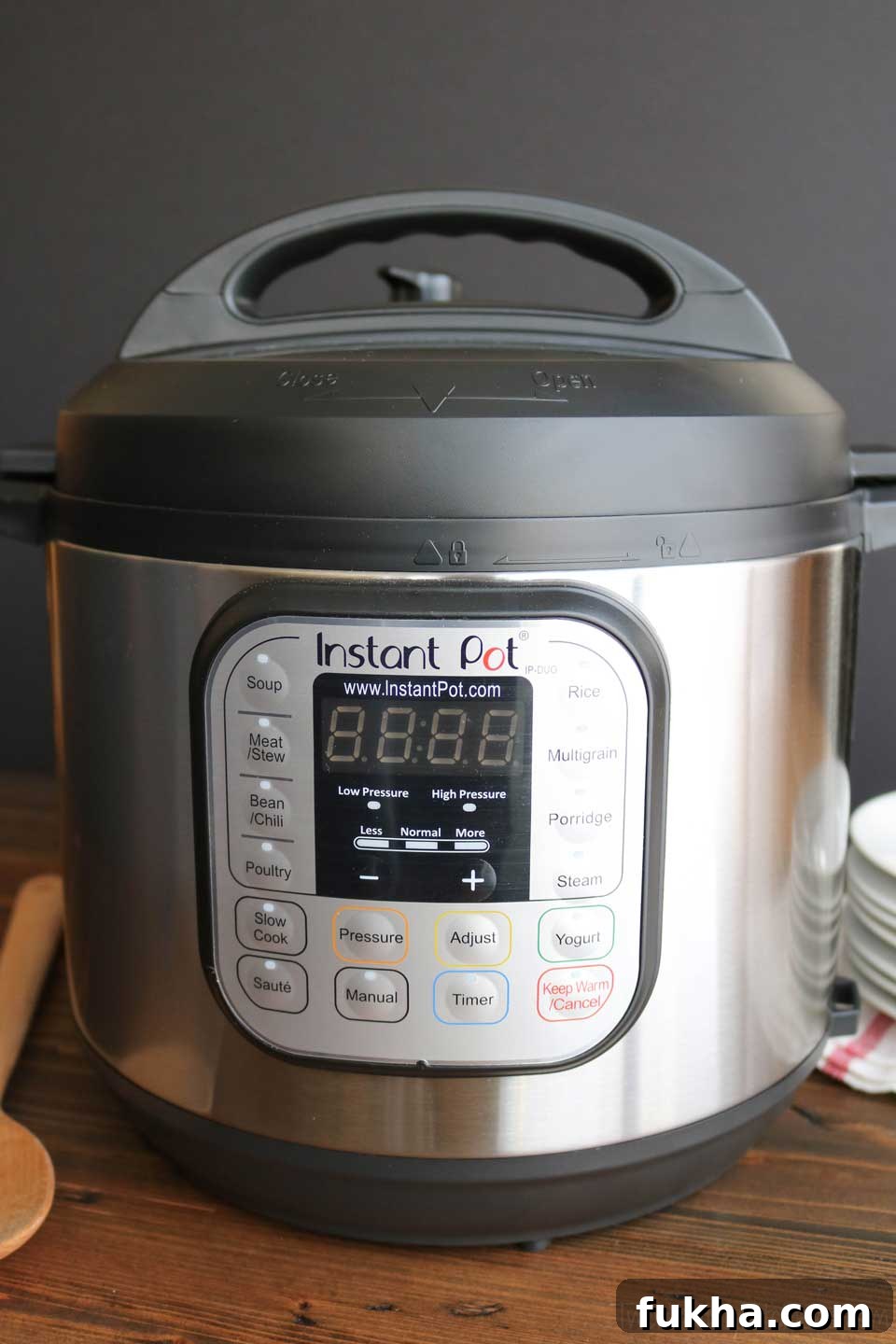
You’ve probably heard the buzz: everyone’s talking about the Instant Pot. Whether you call it an electric pressure cooker or a multicooker, it promises to simplify busy weeknight cooking. Let’s walk through what an Instant Pot is, what it can do, and how to get started.
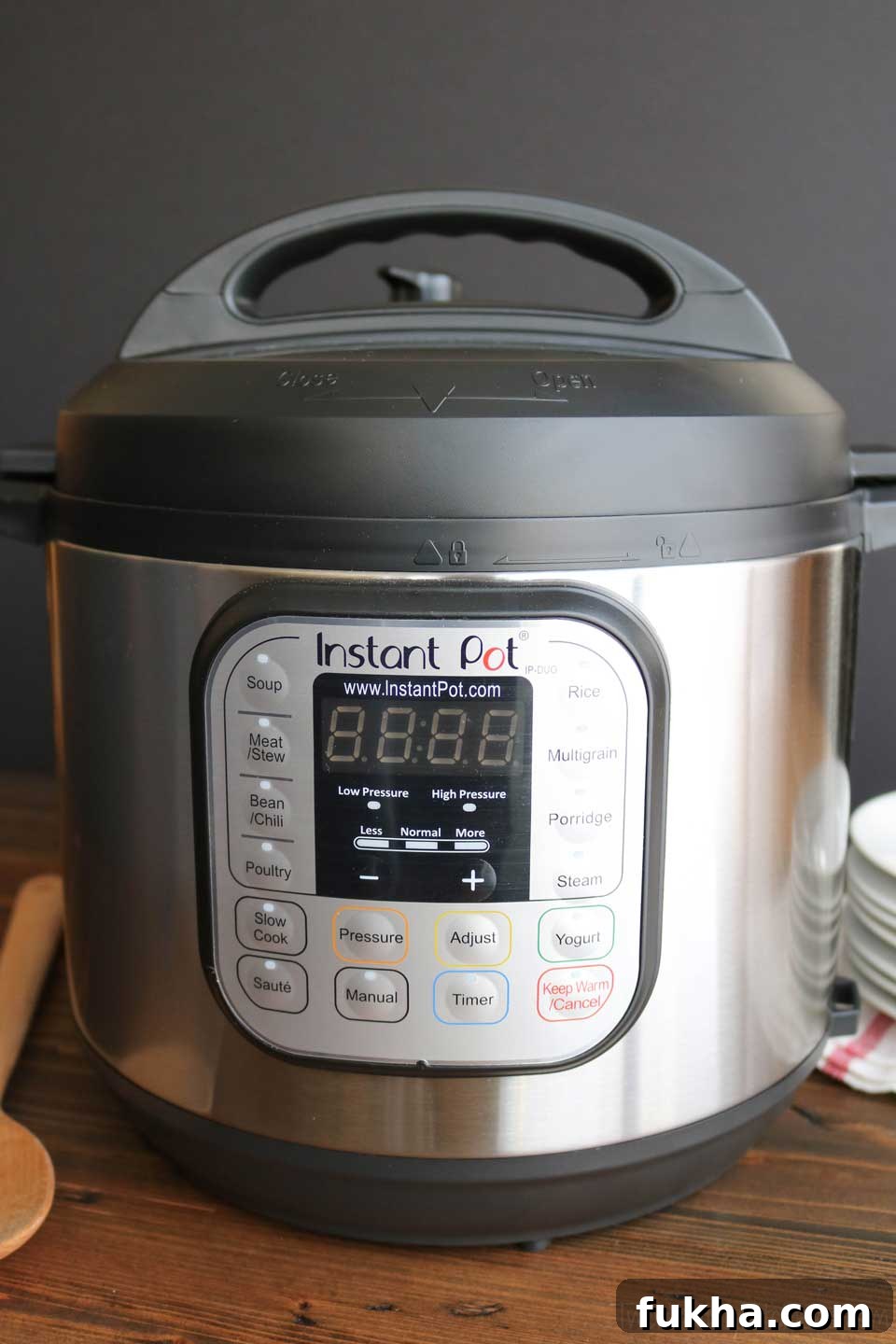
People tend to fall into two camps: those who own an Instant Pot and love it, and those who haven’t tried one yet and are unsure what the fuss is about. I was in the latter camp for a long while—excited to get one, but intimidated by all the functions and the mental overhead of learning a new appliance. Eventually I decided to learn it gradually and bring others along on the journey. If you’re curious but hesitant, this guide is for you.
What Is an Instant Pot?
In short, an Instant Pot is a multicooker: a single electric appliance that combines several cooking functions. Depending on the model, it typically works as an electric pressure cooker, slow cooker, rice cooker, steamer, and yogurt maker. Many models also offer functions to sauté, keep food warm, and perform specialty tasks like sterilizing, cooking eggs, or even baking simple cakes.
Because it combines several appliances into one, the Instant Pot is attractive to people who want flexibility without filling their kitchen with gadgets. Millions of devoted users report that it performs these tasks very well, making it a versatile addition to many kitchens.
Is the Instant Pot a Pressure Cooker?
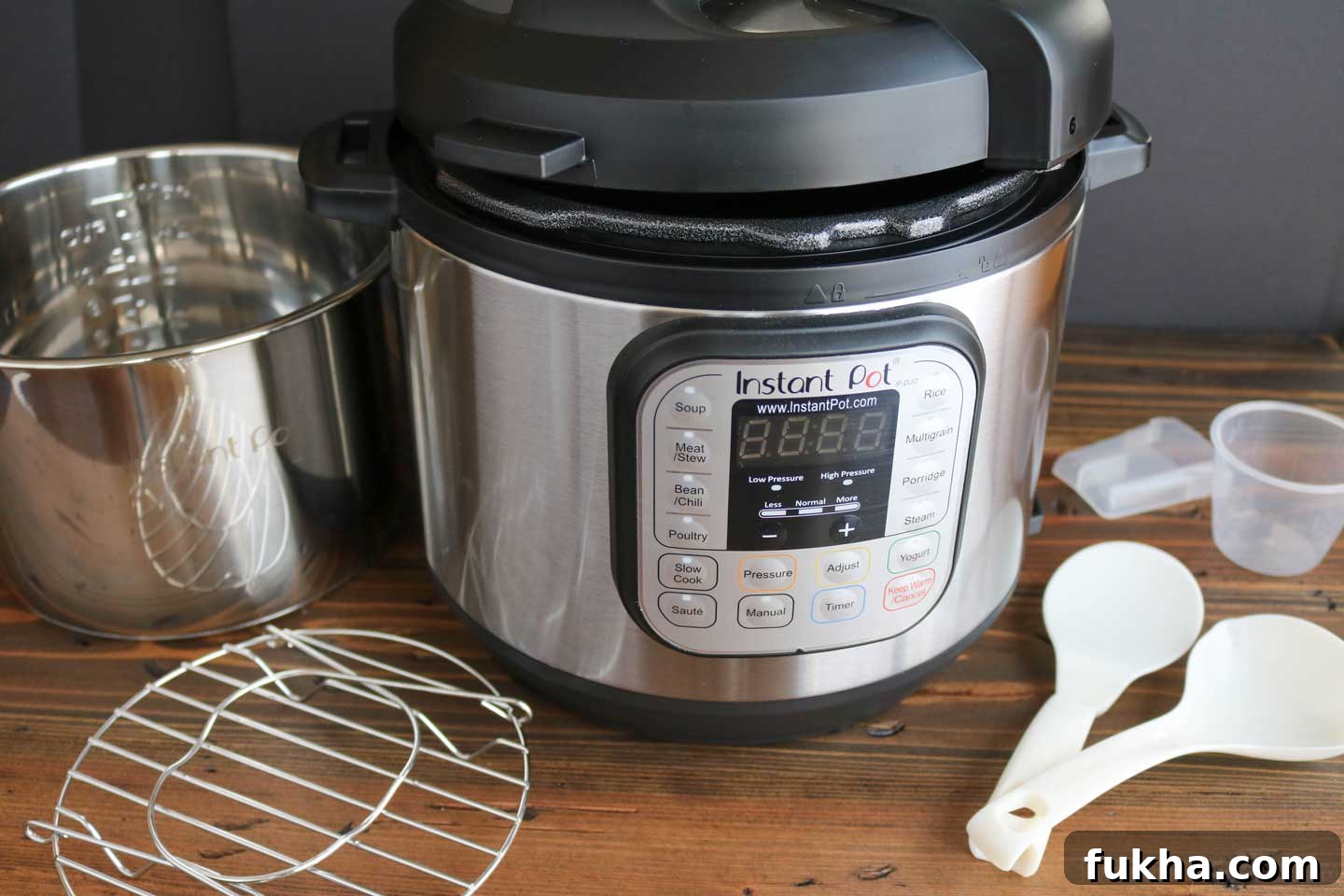
Yes. One of the Instant Pot’s primary functions is as an electric pressure cooker. It’s a modern evolution of the old stovetop pressure cookers—safer and more user-friendly. Newer electric pressure cookers like the Instant Pot include multiple safety mechanisms and preset programs that reduce guesswork.
One notable difference is that many Instant Pot models operate at a slightly lower maximum pressure than typical stovetop pressure cookers—around 11 pounds per square inch on some settings. If you’re adapting older stovetop pressure-cooker recipes, a common rule of thumb is to increase the cooking time by roughly 15% to account for that pressure difference. Also, because of this lower pressure, Instant Pots are not recommended for pressure canning, though they can be used for other canning-related tasks like hot-water-bath processing in some cases.
Is the Instant Pot a Slow Cooker?
Yes. The Instant Pot also offers slow-cook functionality, with low and high settings similar to a traditional Crock-Pot. It often includes delayed start and keep-warm options, though delayed starts should be used carefully for food safety reasons. The benefit of having both pressure-cooking and slow-cooking functions in one unit is major flexibility: you can choose the best method for the day without switching appliances.
What Are the Benefits of an Instant Pot?
From my experience and what many users report, the key benefits include:
- Flexibility: Switch between pressure cooking, slow cooking, steaming, and sautéing. If you planned a slow cooker meal but don’t have hours to wait, pressure-cook the same ingredients and still get great results.
- Sauté function: You can brown meat or soften aromatics right in the same pot before pressure- or slow-cooking. That reduces dishes and preserves flavor.
- Easy cleanup: The inner pot and many parts are dishwasher safe, making cleanup convenient.
- Speed and energy efficiency: The Instant Pot can dramatically reduce cooking time for many dishes compared with conventional methods, and many users find it more energy-efficient for those tasks.
- More cooking possibilities: Replace a rice cooker or a yogurt maker without buying separate machines, and try new recipes for soups, stews, desserts, breads, and more.
Are Instant Pots Easy to Use?
They are once you get past the initial learning curve. The Instant Pot isn’t instantly intuitive the first time out of the box, but it’s not hard either. Read the manual, start with a few simple recipes, and practice basic functions like sealing, quick-release vs. natural-release, and the sauté mode. After a few uses it all becomes second nature and very rewarding.
One practical tip is to start with recipes that clearly state the timing and release method. That reduces guesswork and builds confidence. After a few successful meals you’ll be ready to adapt family favorites and experiment with new ideas.
Getting Started with an Instant Pot
To begin, choose a model that fits your household size and cooking needs. Common starter models offer pressure-cooking, slow-cooking, rice, steam, sauté, and yogurt functions. Consider picking up one extra inner pot if you plan to cook multiple components at once—having a spare insert can be very handy.
Helpful resources include beginner-friendly cookbooks and guides that explain functions, timing adjustments, and safety. Look for a collection of simple recipes to build confidence: soups, beans, rice, and a basic pot roast are great first projects.
In short: the Instant Pot is a versatile multicooker that can simplify weeknight meals and expand what you can cook without cluttering your kitchen with single-purpose appliances. Give it a few tries, and you’ll likely find it becomes one of your go-to tools.
Curious to try something specific in your Instant Pot? Share what you want to cook and I’ll suggest a simple starting recipe or tip.